What could be the effects of a war in the Gulf on Libya?
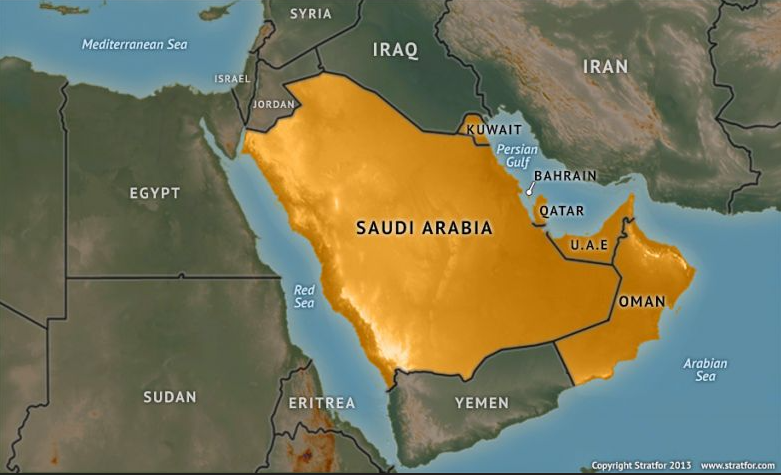
As U.S. and Israeli attacks against Iran spread to the Gulf countries — and fail to produce a rapid regime change as Washington anticipates — it becomes increasingly inevitable that the crisis will generate regional and global consequences. A security disruption in the Strait of Hormuz in particular would shake not only the region but global energy markets directly.
Considering that a significant portion of global oil and LNG flows passes through this narrow chokepoint, any chaos there would likely push prices sharply upward, increase inflationary pressure, and strain energy-dependent economies.
The Gulf countries are not merely energy producers; they are also actors that have built vast investment networks around the world, ranging from ports and financial centers to infrastructure projects and technology investments. At the same time, their own economies have become major hubs attracting enormous capital flows. A prolonged war and the persistence of security risks could slow these capital movements, weaken investor risk appetite, and lead to the suspension of global projects. The ripple effects of such a slowdown would directly impact fragile economies awaiting investment.
Another factor that has elevated the Gulf countries in recent years is their competition for influence in the Middle East and the Horn of Africa. Through port agreements, military cooperation, financial backing, and political alliances, this expanding sphere of influence has become one of the key elements shaping regional power balances. However, as the Gulf’s own security comes under threat, the sustainability of these external engagements becomes increasingly questionable.
The Struggle Over Libya’s Energy Resources Could Intensify
The energy dimension of the war directly concerns Libya. Libya is taking critical steps toward becoming one of the world’s significant oil and natural gas producers. Recent agreements signed with Western companies have made the country’s energy potential more visible and more strategic. A long-term crisis that shakes the Gulf states would inevitably harden the struggle over Libya’s energy basin. Until now, Turkey and Greece have been the primary actors in Libya-centered energy competition. However, if the crisis drags on or its shock effects extend over years, the European Union may turn more decisively toward Libya to secure energy supply and gain faster access to resources.
In such a scenario, a new line of tension could emerge between Turkey and the EU. Alternatively, the crisis could end in a compromise shaped in Libya’s favor. Such a development would likely have a positive impact on Libya’s stability.
The second energy dimension concerns global price increases. A possible price surge could provide Libya — which is going through a very difficult economic period — with a significant revenue advantage and offer breathing space to its economy. A Libya that becomes more deeply engaged with the European Union under an energy security framework could also see its prospects for stabilization strengthened.
Gulf Capital Could Be Cut Off
Gulf countries, particularly Qatar and the United Arab Emirates, have significant investments in Libya and strong potential to participate in major future projects. If oil revenues stabilize and political stability is achieved, these investments could expand rapidly.
However, if the Iran crisis persists, capital flight and significant revenue losses in the Gulf states could make such investments less likely.
Currently, QatarEnergy together with Italy’s Eni has acquired offshore oil and gas exploration licenses in the Sirte basin. Qatari companies are also making substantial investments in the Misrata Free Zone project. Saudi Arabia and the United Arab Emirates have likewise initiated certain investment activities in eastern Libya.
A Weakening Power Struggle Could Unite Tripoli and Benghazi
Another key factor that could directly affect Libya is the policies pursued by Gulf countries, particularly the UAE, in Libya and surrounding regions. While Turkey maintains close and institutional relations with the Tripoli-based government, the UAE has maintained close ties and cooperation with forces centered in Benghazi. This has produced a balance in Libya in which two regional actors exert influence through different power centers.
However, this alignment has become increasingly fluid in recent years. Both Turkey and the UAE have adjusted their policies as regional tensions have evolved and diplomatic normalization processes have accelerated. As a result, external support patterns in Libya are no longer as clearly divided between eastern and western power centers as they once appeared.
Libya holds an important position in the UAE’s strategic calculations in the Horn of Africa and the Sahel. The Al-Khadim Air Base in eastern Libya stood out until recent months as one of the military facilities actively used by the UAE. The Al-Jufra base, also used by the UAE, is a more complex military area where various external actors maintain a presence.
Various international reports have discussed the broader regional networks surrounding Libya, although the UAE consistently rejects allegations regarding any improper involvement.
Recently, the power struggle between Saudi Arabia and the UAE in southern Yemen, as well as Israel’s recognition of Somali land, reportedly supported by the UAE, has affected the nature of the UAE’s engagement in Libya. In recent years, the UAE’s engagement in Libya has evolved as regional diplomatic dynamics have shifted and as Gulf states recalibrate their external priorities.
At the same time, recent diplomatic signals suggest that Saudi Arabia and the United Arab Emirates are increasingly aligning their positions regarding Iran and broader regional security. This alignment may reflect a gradual easing of tensions that had tested relations between the two countries in recent months. Such coordination could influence how Gulf states approach external theaters, including Libya.
If an Iran-centered war spreads or drags on, the UAE, like other regional actors, may choose to reprioritize certain external engagements if regional security pressures intensify. Just as the war in Ukraine narrowed Russia’s capacity in the Middle East, a broader regional crisis could similarly reshape the UAE’s external engagements.
In this context, the evolving approaches of both Turkey and the UAE toward Libya suggest that their roles may increasingly shift from direct competition toward more pragmatic and situational engagement depending on regional dynamics.
In such a scenario, if the European Union increases its focus on Libya and the maneuvering space of actors such as Turkey and the UAE, who are extremely influential in Tripoli and Benghazi, narrows, efforts toward political unification and institutional consolidation in Libya could gain momentum.
The ideas and concepts expressed in this piece are those of the author and do not necessarily reflect the positions of Libya Economic Review. If you would like to contribute to LER, contact us at younis@libyaeconomicreview.com.