Libya’s Arkenu reversal signals transparency push amid regional energy uncertainty
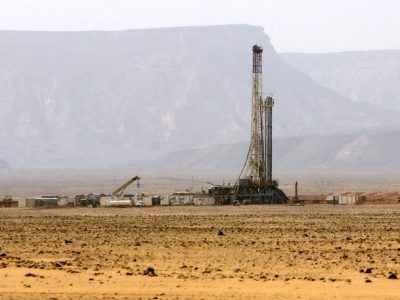
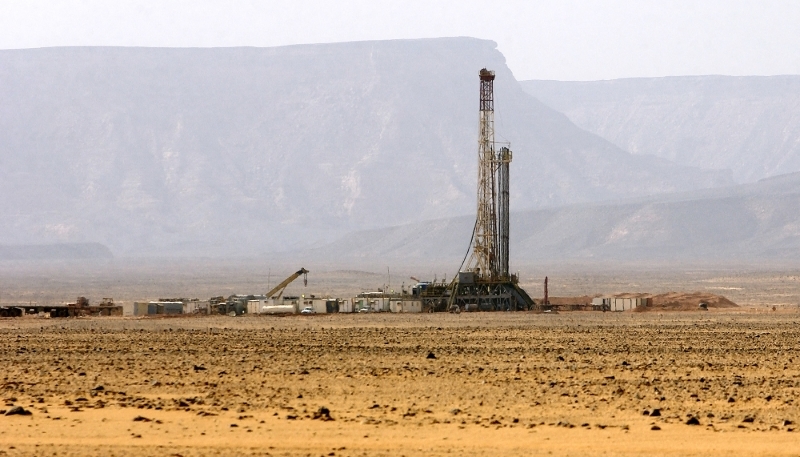
Libya’s Prime Minister Abdul Hamid Dbeibeh has moved to terminate a controversial oil development agreement tied to Arkenu, placing governance and transparency back at the center of the country’s energy sector. The decision follows mounting public criticism of the deal and comes amid broader concerns over opaque contracting practices in Libya’s oil industry.
Local reports indicate that authorities will carry out the termination through legal channels designed to protect state interests. Officials have also referred the wider file to the Attorney General, signaling a broader review of similar agreements. This step suggests more than a one-off reversal. It points to a potential effort to reassess how Libya structures and approves upstream deals.
The Arkenu agreement drew scrutiny from analysts and observers who questioned both its terms and the process behind it. Critics argued that the deal lacked sufficient transparency and risked undermining confidence in Libya’s institutional framework. In a sector where contracts often intersect with political influence, such concerns carry weight beyond a single project.
By moving to cancel the agreement, authorities now face a critical test. Libya’s oil sector operates within a dense network of political, financial, and commercial interests. Any attempt to unwind a disputed contract will likely trigger resistance from actors who benefited from its structure. The strength and visibility of that pushback will offer insight into how deeply entrenched those networks remain.
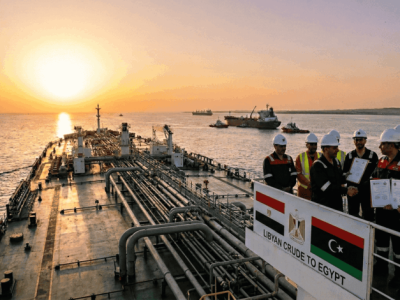
This moment matters because governance shapes market perception. Libya holds Africa’s largest proven oil reserves and has long attracted buyers with its light, sweet crude. Yet supply disruptions, political fragmentation, and opaque decision making have consistently elevated risk premiums tied to Libyan barrels. Buyers often treat Libyan crude as opportunistic rather than dependable.
A credible shift toward transparency could begin to change that perception. Clearer contracting practices and stronger oversight reduce uncertainty around project execution and revenue flows. They also limit the risk of sudden reversals driven by internal disputes. For international buyers and partners, these factors translate directly into pricing, contract structure, and willingness to engage over the long term.
The timing adds another layer of relevance. Regional energy markets continue to absorb the effects of geopolitical tension, particularly across key Gulf producers and transit routes. Periods of uncertainty tend to push buyers toward diversification. Refiners and traders look for supply options that offer both quality and a manageable risk profile.
Libya sits in a position to benefit from that dynamic, but only under certain conditions. Production capacity alone does not guarantee competitiveness. Buyers weigh reliability alongside crude quality. They also consider the legal and political environment that governs supply agreements. If Libya demonstrates greater consistency and transparency, it can strengthen its case as an alternative source in a volatile region.
The Arkenu reversal therefore carries implications beyond domestic politics. It signals an awareness that governance reforms can influence Libya’s standing in global oil markets. A more transparent framework could help narrow the gap between Libya’s resource potential and its actual market role.
Still, the outcome remains uncertain. Terminating a controversial deal marks a visible step, but it does not in itself establish a new standard. The process that follows will matter more. Authorities must show that legal reviews lead to consistent enforcement and that future agreements meet clearer benchmarks. Without that follow through, the move risks appearing symbolic rather than structural.
The reaction from stakeholders will also shape the trajectory. If opposition emerges from within political or commercial circles, it will highlight the friction between reform efforts and entrenched interests. That tension has defined Libya’s oil sector for years. Managing it requires both institutional capacity and sustained political will.
At the same time, external observers will watch closely. International oil companies, traders, and financial partners rely on signals of stability when evaluating engagement in Libya. Moves that strengthen oversight and reduce opacity can improve confidence, even in a complex operating environment. Conversely, signs of inconsistency or selective enforcement can reinforce existing caution.
For Libya, the stakes extend beyond immediate contract disputes. Oil revenue underpins the country’s economy and plays a central role in its political balance. Improving governance within the sector can support broader efforts to stabilize institutions and rebuild trust. It can also enhance Libya’s leverage in a competitive global market where buyers have multiple sourcing options.
The Arkenu case now stands as a focal point. It offers a chance to demonstrate that transparency can move from rhetoric to practice. It also provides a window into how Libya navigates the intersection of domestic reform and external market pressures.
As regional uncertainty persists, the value of credible and reliable supply sources will remain high. Libya has the resources to play a larger role in that landscape. Whether it does so will depend not only on production levels, but on the clarity and integrity of the system that governs its oil sector.