Libya Approves First Unified Budget in Over a Decade
Libya’s government approved its first unified national budget in more than ten years, marking a significant step toward economic stability and reform. The House of Representatives in Tobruk passed the budget late last week, ending years of parallel administrations and fragmented fiscal policies.
The $21 billion budget consolidates revenues from oil exports, taxes, and other state income into a single financial framework. Officials stated the budget aims to fund essential services, infrastructure projects, and public sector salaries while reducing reliance on borrowing and external support.
Economic analysts welcomed the move, noting that a unified budget could help restore investor confidence and improve fiscal transparency. “This is a foundational step for Libya’s economic recovery,” said one economist familiar with government finances. “A clear, single budget provides clarity on state priorities and limits the risk of competing claims over resources.”
Libya’s economy has struggled under the weight of political division since 2011. Rival administrations controlled different regions, each issuing separate budgets, which led to delayed salaries, stalled public projects, and inefficient allocation of resources. The unified budget signals a willingness by the government to coordinate policy across regions and streamline spending.
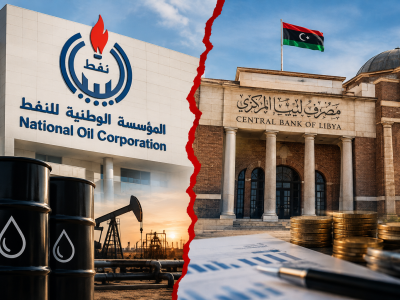
Oil revenues remain the backbone of Libya’s economy, representing roughly 95% of state income. The new budget assumes steady production at around 1.2 million barrels per day. Officials acknowledged that volatility in global oil markets poses risks, but they emphasized measures to safeguard critical sectors against shocks.
The budget allocates significant funds to social services, particularly healthcare and education. It also prioritizes infrastructure investment, including roads, energy projects, and water management systems, as part of a broader push to boost economic growth and improve living standards.
Public sector wages dominate expenditure, accounting for nearly 60% of total spending. The government plans to continue reforms in the civil service, aiming to reduce inefficiencies and ensure timely salary payments. Analysts stress that consistent wage disbursements could ease social tensions and support domestic consumption.
International organizations and foreign investors have followed Libya’s fiscal developments closely. A transparent, unified budget could unlock additional support from financial institutions and encourage foreign companies to resume operations in the country. Experts note that long-term economic recovery depends on both political stability and effective implementation of fiscal policies.
The approval of the unified budget comes ahead of parliamentary elections scheduled later this year. Government officials view the measure as a tool to strengthen institutional legitimacy and signal commitment to economic reform. Observers, however, caution that success depends on political cohesion and the government’s ability to enforce the budget across regional administrations.
Libya faces ongoing challenges beyond fiscal consolidation. Security concerns, infrastructure deficits, and reliance on oil revenues continue to weigh on the economy. Yet analysts agree that a unified budget represents a critical milestone. It offers the government a framework to prioritize spending, reduce duplication, and .foster sustainable growth.
In the short term, citizens may feel tangible benefits if the government ensures regular salary payments and maintains public services. In the medium to long term, economic observers hope the unified budget lays the groundwork for broader fiscal reform, diversification of the economy, and improved investor confidence.
Libya’s journey toward economic stability remains uncertain, but the first unified budget in over a decade provides a clear signal: the government intends to consolidate authority, manage resources efficiently, and support a population eager for improved living standards.