Can Libya Deliver After the Hormuz Crisis?
The Strait of Hormuz crisis has redrawn the global energy map. It has also reopened an old question with new urgency: can Libya step in as a reliable alternative supplier when the Gulf falters?
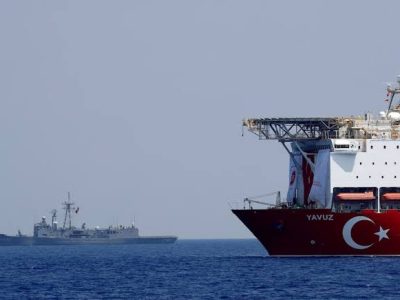
The scale of the disruption leaves little doubt about the opportunity. The 2026 Iran war and the temporary closure of Hormuz removed more than 10 million barrels per day from global supply at its peak, the largest shock in modern oil market history. Oil flows through the strait, which normally carry around 20% of global crude, collapsed under conflict pressure. Even after partial reopening, analysts expect a slow and uneven recovery due to logistics, damaged infrastructure, and tanker bottlenecks.
This gap has forced markets to look elsewhere. Libya has emerged as one of the few producers able to respond quickly.
Libya’s oil production has already surged to around 1.43 million barrels per day, its highest level in over a decade. That increase did not happen in isolation. It reflects a deliberate push by the National Oil Corporation to stabilize output and capitalize on higher prices. It also signals that Libya can scale production faster than many expected.
At first glance, the case looks strong. Libya holds Africa’s largest proven oil reserves and sits close to European markets. Its crude remains cheap to extract and quick to ship. In a crisis that has constrained long-haul Gulf exports, geography alone gives Libya an edge.
But the real question is not whether Libya can increase output. It is whether it can sustain and expand it under pressure.
A Short-Term Winner
In the immediate aftermath of the Hormuz disruption, Libya benefits from three structural advantages.
First, it operates outside the Gulf chokepoint system. Its exports move directly across the Mediterranean, avoiding the bottlenecks that have trapped millions of barrels in the Gulf.
Second, it still has spare capacity. Years of underinvestment and conflict kept production below potential. That constraint now becomes an advantage. Libya can bring idle capacity back online faster than producers already operating at full tilt.
Third, global prices support rapid expansion. Brent crude has surged above $100 during the crisis, creating strong incentives to maximize output. For Libya, higher prices translate into immediate fiscal relief and political leverage.
These factors explain why Libya has already added significant volumes while others struggle to restart production.
Structural Constraints Remain
Yet Libya’s upside has limits. The same structural issues that constrained production before the crisis have not disappeared.
Political fragmentation remains the central risk. Oil output depends on a fragile balance between rival authorities, local militias, and regional power brokers. Even minor disruptions—pipeline blockades, protests, or disputes over revenue—can shut in hundreds of thousands of barrels overnight.
Recent history offers repeated examples. Fires, technical failures, and localized unrest continue to disrupt key fields such as Sharara, forcing operators to reroute flows to maintain output. These incidents show how quickly production gains can unravel.
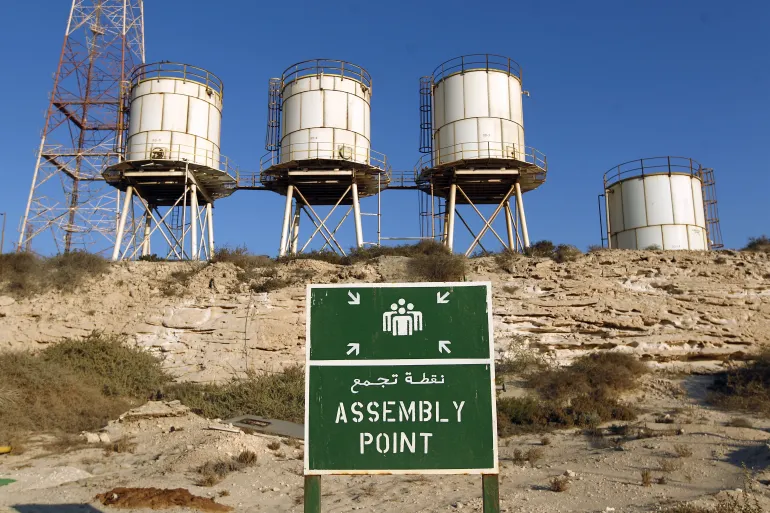
Infrastructure also constrains growth. Much of Libya’s oil system requires upgrades after years of underinvestment. Pipelines, storage facilities, and export terminals all operate under strain. New projects, including gas infrastructure expansions, signal progress but also highlight how much work remains.
Financial governance adds another layer of risk. Oil revenues do not always flow through unified state institutions. Competing claims over income distribution undermine investor confidence and complicate long-term planning.
Can Libya Replace the Gulf?
The short answer is no. Libya cannot replace Gulf producers in scale or reliability.
Even at peak performance, Libya produces around 1.4 million barrels per day. The Hormuz disruption removed several multiples of that volume from global markets. Saudi Arabia, the UAE, and other Gulf producers still dominate global spare capacity. Once they restore operations, they will reclaim market share quickly.
However, this does not diminish Libya’s importance. The current crisis does not require a single replacement. It requires a network of flexible suppliers that can collectively stabilize markets. Libya fits that role.
In fact, Libya’s contribution may prove more valuable than its volume suggests. It provides diversification. It reduces dependence on a single chokepoint. It gives European buyers a nearby alternative at a time of heightened geopolitical risk.
A Strategic Window for Reform
The Hormuz crisis creates a rare strategic window for Libya. High prices and strong demand offer both revenue and leverage. The country can use this moment to address long-standing structural weaknesses. To do so, Libya must focus on three priorities.
It must protect production from political disruption. Stable output requires enforceable agreements between rival actors, not temporary alignments driven by market conditions. It must accelerate infrastructure investment. Upgrading pipelines, storage, and export terminals will determine whether Libya can move beyond incremental gains toward sustained growth. It must improve revenue transparency. A credible and unified financial framework would unlock foreign investment and support long-term expansion.
Without progress on these fronts, Libya risks repeating a familiar cycle: rapid gains followed by sudden reversals.
The Verdict
Libya can deliver, but only within limits.
It can increase production quickly. It can help stabilize markets during acute disruptions. It can position itself as a key Mediterranean supplier. But it cannot replace the Gulf. And it cannot sustain growth without addressing its internal constraints.
The Hormuz crisis has given Libya an opportunity. Whether it turns that opportunity into lasting influence depends on what happens next inside Libya—not just in global markets.