Washington Sees Libya Through an Energy Lens
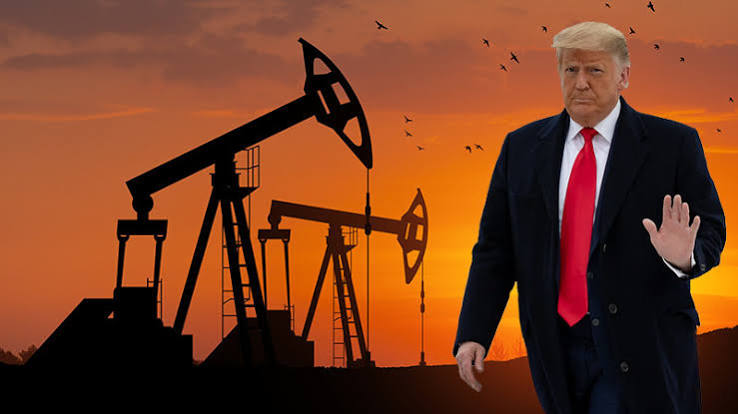
Libya has re-emerged as a strategic energy opportunity for the United States. A recent Bloomberg report suggests the Trump administration increasingly views Libya as part of a broader effort to strengthen American influence over global energy markets while securing new opportunities for US companies in resource-rich countries. Bloomberg notes that Washington is seeking to encourage cooperation between Libya’s rival political camps while supporting greater involvement by American energy firms in the country’s oil sector.
The timing is not accidental. Global energy markets remain highly sensitive to geopolitical disruptions. The Strait of Hormuz crisis earlier this year reminded consumers and traders how quickly supply risks can push oil prices higher. Against that backdrop, Libya offers something few countries can match: Africa’s largest proven crude oil reserves, proximity to European markets, and significant untapped production capacity.
For Washington, Libya represents more than another diplomatic challenge. It increasingly looks like a strategic energy asset. The question now is whether political efforts can unlock the country’s full production potential.
A Transactional Approach to Libya
The Trump administration’s approach differs from many previous Western initiatives. Rather than placing elections and political reform at the center of its Libya strategy, Washington appears focused on creating enough stability to support investment, expand production, and strengthen economic cooperation. Analysts have described this approach as highly transactional and centered on economic outcomes.
That strategy aligns with recent developments on the ground. American energy companies have already increased their engagement with Libya. Chevron signed agreements earlier this year, while ConocoPhillips expanded its involvement in the sector. Reports also indicate that ExxonMobil is evaluating a return after years away from the country.
At the same time, US officials have intensified diplomatic efforts aimed at unifying Libya’s fragmented institutions. Adviser Massad Boulos has publicly supported a roadmap that seeks to bring rival administrations under a single framework while encouraging greater foreign investment.
From Washington’s perspective, the logic is straightforward. A more stable Libya could produce significantly more oil. Higher production would increase global supply, create opportunities for US firms, and strengthen energy security for Europe.
Why Libya Matters More Today Than It Did Five Years Ago
Several factors have increased Libya’s strategic importance. First, European buyers continue searching for reliable suppliers closer to home. Libyan crude remains attractive because of its quality and geographic location. Second, many international oil companies have become more selective about where they deploy capital. Libya offers large reserves and relatively low production costs compared with many frontier markets. Third, global competition for energy resources has intensified. The United States, China, Russia, Turkey, and Gulf states all maintain economic or strategic interests in Libya. Energy remains one of the few sectors capable of attracting all of these actors at the same time.
This helps explain why international engagement with Libya has accelerated over the past year.
For energy investors, Libya no longer looks like a market to avoid entirely. Increasingly, it looks like a market that carries high political risk but potentially significant rewards.
The Biggest Obstacle Remains Politics
Despite growing optimism, major challenges remain. Oil production has recovered significantly since the disruptions of previous years, yet Libya’s political divisions continue to create uncertainty. Rival institutions, competing power centers, and recurring disputes over revenues still threaten long-term stability.
Several analysts have also questioned whether externally backed power-sharing arrangements can deliver lasting solutions. Critics argue that political agreements among elites often reduce immediate tensions without addressing deeper institutional weaknesses. For investors, this remains the central issue.
Oil companies can operate in difficult environments. They can manage security risks and market volatility. What they struggle with is uncertainty over contracts, regulations, and decision-making authority. If Libya can gradually reduce those uncertainties, investment could accelerate rapidly.
Analytical Outlook
Bloomberg’s reporting highlights a broader shift in how Washington views Libya. The country no longer sits on the margins of US foreign policy. Instead, it increasingly fits into a larger strategy that links diplomacy, energy security, and commercial interests.
For Libya, that presents both an opportunity and a challenge. International interest in the country’s energy sector has rarely been stronger. Major oil companies are returning. Production continues to recover. New investment discussions are underway. Yet Libya’s long-term success will depend less on foreign interest and more on domestic stability.
If political institutions can match the momentum already visible in the oil sector, Libya could emerge as one of the most important energy growth stories in the Mediterranean over the next decade.
If they cannot, the country’s vast reserves will continue to fall short of their full potential.