Nearly 7,000 trucks received diesel at supervised fuel stations in Libya between August 21 and 24, sharply reducing the queues that had disrupted road transport in and around Tripoli. The operation covered five stations working under 24-hour supervision, while Brega Petroleum Marketing Company also introduced mobile filling points near Airport Road. The measures appear to have worked, reports indicate that the long queues affecting truck drivers have largely disappeared.
That is an important short-term improvement. But it does not mean Libya’s wider fuel crisis is over. The latest response shows that Libya can move large volumes of diesel quickly when distribution is tightly managed. The bigger question is whether the country can maintain that flow once emergency measures are reduced.
The immediate pressure is easing
Brega has continued to receive and distribute fuel across several parts of the country. On August 29, the company said fuel receipt and distribution were continuing around the clock. Distribution companies drew almost 11.96 million litres of petrol from Tripoli port over a 24-hour period, while supplies also moved through Zawiya, Misrata, Tobruk and other depots. A tanker carrying about 32,000 metric tons of petrol also arrived at Tobruk’s Al-Hariga port to strengthen supplies in eastern Libya.
Brega also reported distributing about 17.81 million litres of petrol on August 25, including supplies sent toward the southern region through the Sabha depot. Those figures suggest that the immediate supply chain is functioning better than it was earlier this month.
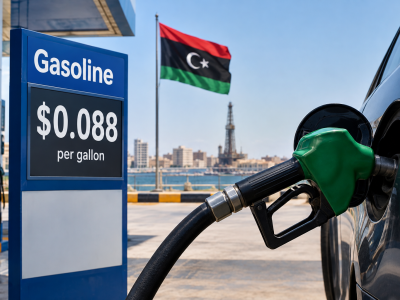
That improvement matters beyond petrol stations. Trucks depend on diesel to move food, construction materials and other goods between Libya’s cities. Businesses and households also rely heavily on diesel generators, particularly during power cuts. The recent shortage pushed subsidized diesel onto the black market at dramatically higher prices. Diesel that Brega officially sells for LYD 0.15 per liter was reportedly changing hands for around LYD 1.80–2.00 and, at the peak of the shortage, as much as LYD 8 per liter.
If official supply remains stable, that price pressure should ease.
Libya still depends heavily on imported fuel
The more difficult problem is structural. Libya produces crude oil, but it does not produce enough refined fuel to meet domestic demand. The country therefore continues to spend large amounts of money importing petrol, diesel and other petroleum products.
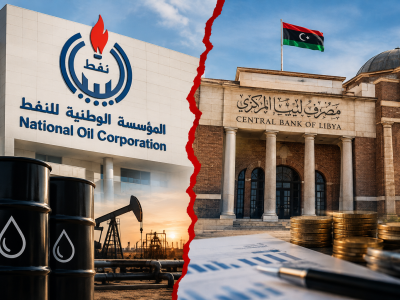
National Oil Corporation data showed that Libya imported about $1.006 billion worth of fuel and petroleum products in July alone. Domestic distribution exceeded 1.37 million metric tons, including nearly 647,000 metric tons of diesel. That creates an unusual pressure point for an oil-producing country. Higher crude production does not automatically solve a shortage at the petrol station if refining capacity, storage, imports and domestic distribution cannot keep pace with demand.
Recent disruptions have also exposed weaknesses in the physical system. The destruction of a gasoline storage tank at the Zawiya depot reduced storage capacity by about 13 million litres, adding another vulnerability to an already stretched distribution network. Power cuts have made the situation harder. When electricity supplies fail, fuel stations can face operational problems while households and businesses increase their use of diesel generators, adding demand to an already pressured market.
The next test is whether the queues stay away
LER’s recent street interviews showed how the fuel crisis looks from the other side of the statistics. Drivers and residents described the frustration of waiting for fuel despite Libya’s huge oil reserves. The interviews also raised a broader question: why does an oil-producing country remain so dependent on imported fuel and vulnerable to shortages at the pump? Watch LER’s street interviews on Libya’s fuel crisis
The latest improvement gives authorities some breathing room, but the answer will depend on what happens after the emergency response. If fuel deliveries continue, storage remains adequate and distribution companies can keep stations supplied, the current pressure could gradually disappear. Lower black-market prices would be another sign that official supply is catching up with demand.
But if queues return after the additional supervision and mobile stations are scaled back, the recent improvement will have been temporary. That is why the next stage of Libya’s fuel crisis is less about how many trucks can be supplied in four days and more about whether the country can build a fuel distribution system that does not need an emergency response every time demand rises or infrastructure is disrupted.
The immediate crisis may be easing. The underlying fuel problem is still waiting for a longer-term solution.