Egypt plans to build its first strategic crude oil stockpile with 16 million barrels by the end of 2026, including 10 million barrels from Libya in a move that could deepen one of North Africa’s most important energy trading relationships.
The planned reserve will include 10 million barrels of Libyan crude and 6 million barrels from Iraq, according to an Egyptian government official cited by Asharq Bloomberg. Egypt began receiving the Libyan oil in August and has already imported about 3 million barrels for the new stockpile, separate from its regular monthly crude purchases.
The two countries agreed on a price of about $85 per barrel for the stockpile crude, putting the total value of the 16 million barrels at roughly $1.36 billion before transport, storage and insurance costs. Egypt aims to complete the reserve by the end of December.
For Libya, the significance goes beyond a single crude supply deal. Egypt’s decision to allocate most of its first strategic crude reserve to Libyan oil gives Libya a major role in Egypt’s effort to strengthen energy security and creates an additional outlet for Libyan crude.
Libya Supplies More Than Half of Egypt’s New Reserve
The scale of the Libyan component stands out. Of the 16 million barrels Egypt plans to hold, 10 million will come from Libya, meaning Libyan crude accounts for about 63% of the planned reserve.
Egypt will receive the remaining 6 million barrels from Iraq. The government official said the new supplies will sit outside the Egyptian General Petroleum Corporation’s normal monthly procurement arrangements.
The first 3 million barrels from Libya have already arrived, with the remaining volumes expected over the three months through December.
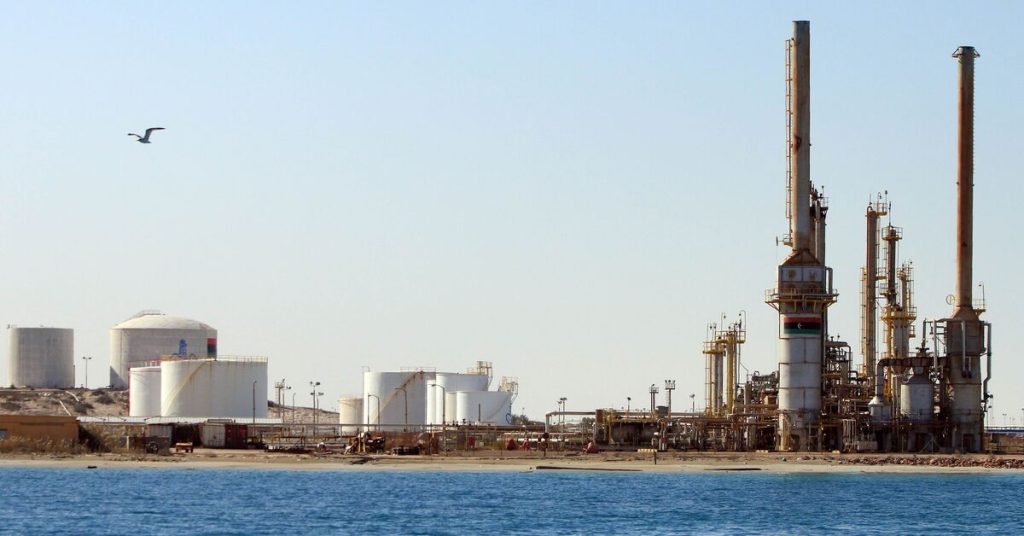
The arrangement gives Libya additional access to a nearby and strategically important crude market. Geography matters here. Libya sits directly across the Mediterranean from Egypt, making the movement of crude between the two countries relatively straightforward compared with longer-distance supply routes.
For Egypt, Libyan crude offers another source of supply as the country seeks to protect its refineries from disruptions in international markets and shipping routes.
Egypt has also been expanding its petroleum infrastructure and storage capacity. Petroleum Minister Karim Badawi said in September that the country sees storage, refinery upgrades and crude and petroleum-product transport networks as key parts of its energy-security strategy. Egypt operates a pipeline network stretching about 6,300 kilometres and has storage depots with capacity of around 2.5 million cubic metres.
The new crude reserve fits into that wider strategy.
Rather than relying only on regular imports, Egypt can build a buffer that gives its refineries greater protection when international supply chains face disruption or prices move sharply.
A Bigger Role for Libya in Egypt’s Energy Strategy
The deal also fits into a broader push by Egypt and Libya to expand energy cooperation.
The two countries signed a memorandum of understanding in January covering oil, gas and mining cooperation. The agreement also included discussions around crude oil and natural gas transportation and the development of refining activities.
Egypt has continued to position itself as a regional energy hub, using its refining capacity, pipelines, ports and Mediterranean location to handle crude and petroleum products. For Libya, closer integration with that system could create opportunities beyond simple crude sales.
Libya has large oil reserves and wants to increase production, but its ability to capture more value from those resources depends on reliable infrastructure, stable export channels and access to nearby markets. Egypt can provide part of that commercial link.
The immediate stockpile deal also gives Libya a new source of demand at a time when the country remains heavily dependent on crude exports to generate foreign currency and fund public spending.
The $850 million value of the Libyan portion alone, based on the reported $85-per-barrel contract price, makes the arrangement commercially meaningful. The actual value to Libya will depend on the final volumes delivered and the terms attached to the contracts, including transport and other costs.
There is also a strategic element for both sides.
Egypt wants to reduce its exposure to sudden international supply disruptions. Libya wants dependable buyers and stronger regional energy relationships. Those interests fit together.
But the deal also highlights an important issue for Libya: reliability.
Egypt can only use Libyan crude as a strategic supply source if Libya can consistently produce, transport and deliver the contracted volumes. Recent disruptions to western Libyan oil pipelines have shown how quickly security and infrastructure problems can cut production and threaten flows to the coast.
That makes investment in pipelines, terminals and field infrastructure just as important as increasing production capacity.
If Libya can improve that reliability, Egypt’s new strategic reserve could become more than a one-off purchase. It could support a deeper commercial relationship between the two energy sectors, with opportunities in crude trading, storage, refining, transportation and potentially gas.
For Egypt, the immediate objective is to complete its 16 million-barrel reserve before the end of 2026.
For Libya, the bigger opportunity lies in becoming a more reliable regional energy supplier, and turning proximity to Egypt into a long-term commercial advantage.