Could Libya Become a Strategic Alternative to Gulf Oil?
Since the US and Israeli strikes on Iran began on February 28, 2026, the conflict has disrupted oil shipments, pushed prices higher and forced importers to reconsider their exposure to the Gulf. The situation has evolved since the initial shock. Middle Eastern crude exports largely recovered to prewar levels by September, but renewed threats to shipping show that the underlying security risk has not disappeared. A ceasefire or a recovery in exports cannot guarantee that the next escalation will leave energy supplies untouched.
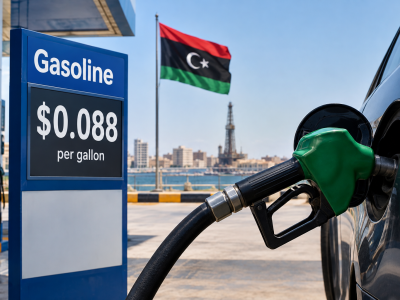
The Gulf crisis is forcing oil buyers to reconsider where they source their crude. For countries in Asia, finding suppliers beyond the Gulf is becoming a question of energy security, not just cost. Libya, with its Mediterranean export routes and attractive crude grades, has a chance to benefit.
Libya offers an alternative. It has substantial oil reserves, established export infrastructure, crude grades sought by international refiners and direct access to the Mediterranean. It cannot replace the Gulf’s enormous production capacity, but it could become a more important part of the supply network that protects buyers against another disruption.
The question is whether Libya can turn its geographical advantage into lasting commercial and geopolitical influence.
The Strait of Hormuz Has Changed the Risk Calculation
The strategic importance of the Strait of Hormuz extends far beyond the Gulf. Before the conflict, roughly 20 million barrels of oil and petroleum products passed through the waterway each day, representing a substantial share of global consumption. The International Energy Agency described the disruption as the largest oil supply shock in history in its June 2026 assessment of the crisis.
For Asian economies, the stakes are particularly high. China, India, Japan and South Korea rely heavily on imported energy, while many of their established suppliers operate in or around the Gulf. A disruption can affect not only crude deliveries but also the availability of diesel, jet fuel and other refined products that support transport, manufacturing and trade.
The recovery in Gulf exports does not remove this vulnerability. On October 14, Reuters reported renewed Iranian efforts to intensify attacks on shipping through the Strait of Hormuz. Even when tankers continue to move, the prospect of further attacks can influence insurance premiums, freight rates, trading decisions and the willingness of buyers to rely on a narrow group of suppliers.
Importers therefore have an incentive to diversify before the next crisis, rather than scramble for replacement barrels after one begins.
That creates an opening for producers outside the Gulf. The United States, West Africa and Latin America can all supply alternative crude, but Libya has a particular advantage for buyers seeking oil that can reach the Mediterranean without passing through Hormuz.
Its location also gives it access to European refining centres and established commercial relationships with international oil companies and traders. The European Union remains Libya’s principal trading partner, accounting for 79.4% of its exports in 2025, according to the European Commission’s trade data.
This established market provides a foundation for Libya to expand elsewhere. It does not, however, guarantee that Asian buyers will switch to Libyan crude. Longer voyages, tanker availability, insurance costs and competition from other producers all influence the economics of each cargo.
Libya Has the Oil. Can It Deliver the Reliability?
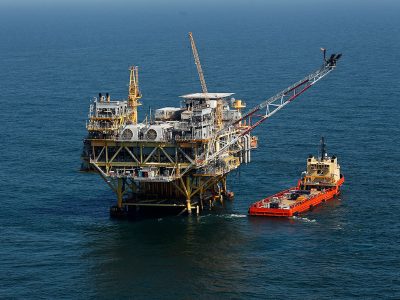
Libya’s opportunity rests on more than geography. Its relatively light, low-sulphur crude grades appeal to many refiners, while its existing production and export infrastructure allows it to serve international markets without waiting for an entirely new oil industry to emerge.
The country has already benefited from the search for replacement supplies. In May, the Financial Times reported that Libya’s oil production had reached a decade high during the conflict, as stronger demand for alternative barrels helped lift oil revenue. That response demonstrated the commercial value of Libyan crude when buyers face uncertainty elsewhere.
But a temporary windfall is not the same as a structural shift in global trade.
Asian markets offer room for growth, particularly as China, India and other major importers seek to spread supply risks across different regions. Libya already sells crude to Asian buyers, but Europe continues to dominate its export trade. Expanding that Asian customer base would require competitive pricing, dependable loading schedules and sustained commercial engagement.
Libya must also compete with producers that can offer more predictable supplies. A refinery choosing between two similar grades of crude will consider the full delivered cost, including shipping and insurance, as well as the likelihood that the supplier will honor its contract. Attractive crude cannot compensate indefinitely for missed deliveries or unexpected production stoppages.
This is where Libya’s domestic politics become an international energy issue. Rival political authorities, disputes over public finances and recurring threats to oil infrastructure have repeatedly undermined the country’s production. The industry can recover after a shutdown, but every interruption raises questions about future reliability. Buyers may accept Libyan cargoes when prices justify the risk, yet remain reluctant to build long-term supply strategies around a country that cannot consistently protect production and exports.
The government and the National Oil Corporation must therefore treat reliability as a strategic asset. Protecting pipelines and export terminals, maintaining production facilities, providing predictable rules for international operators and reducing political interference in the oil sector would help Libya compete for long-term contracts.
There is also a broader economic question. Higher oil prices and stronger exports can increase state revenue, but they do not automatically improve public services, create jobs or strengthen institutions. If additional income disappears into political competition and inefficient spending, Libya will gain less from the crisis than its export figures suggest.
The Opportunity Is Strategic, Not Just Commercial
Libya should not build its energy strategy around the assumption that Gulf oil will remain disrupted. The region retains enormous production capacity, established customers and the ability to restore shipments when security conditions improve. As exports recover, buyers will continue to weigh price and proximity alongside geopolitical risk.
The more durable opportunity is to make Libya a supplier that customers want to retain even when Gulf exports flow normally.
That means expanding relationships with Asian refiners, improving the reliability of existing export infrastructure and giving international companies greater confidence to invest. It also means recognising that energy security increasingly depends on a diverse network of suppliers rather than a single replacement for the Gulf.
Libya has the potential to become one of the most strategically important oil suppliers outside the Gulf. Its reserves, attractive crude grades and direct access to the Mediterranean give it a strong foundation to expand its role in European and Asian energy markets. As countries rethink their exposure to the Strait of Hormuz, Libya has an opportunity to turn its geographic position into greater exports, investment and international influence.
The challenge is to make that opportunity last. By securing production, strengthening export infrastructure and building long-term relationships with international buyers, Libya can position itself as a key supplier in a global market increasingly concerned with energy security.
The Gulf will remain central to global oil markets, but the next chapter of energy security may give greater weight to producers that can offer reliable alternatives. Libya has the resources and location to become one of them. If it can match its oil wealth with political stability and dependable exports, Libya could emerge from this crisis with a stronger place in the global energy order.