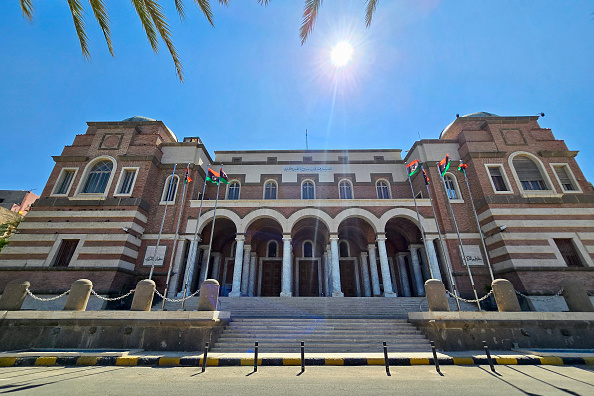
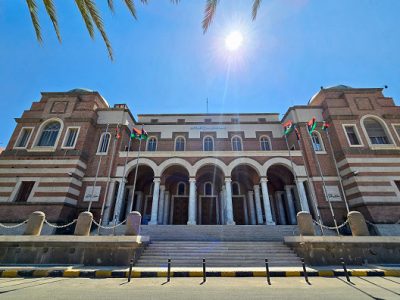
Libya has restored banking cooperation with Germany’s Commerzbank after more than a decade, reopening an important channel for international payments and trade as the Central Bank of Libya (CBL) works to rebuild foreign banks’ confidence in the country’s financial system.
The CBL announced the agreement on October 13 following a meeting between Governor Naji Issa’s delegation and senior Commerzbank executives on the sidelines of the International Monetary Fund (IMF) and World Bank annual meetings in Bangkok, Thailand.
Under the agreement, Commerzbank will return to the CBL’s network of approved correspondent banks. The move should help Libyan commercial banks process foreign trade transactions and international transfers, particularly with European markets.
Commerzbank Return Could Ease Trade Payments
Correspondent banking allows banks to provide services across borders, including transferring funds and settling payments in foreign currencies. These relationships play an important role in helping importers pay overseas suppliers and enabling businesses to conduct international transactions.
Restoring the relationship with Commerzbank could give Libyan banks another channel for handling payments linked to European trade. However, the announcement does not establish how quickly banks and businesses will see improvements or whether transaction costs will fall.
For Libya, where importers depend heavily on international suppliers, reliable access to cross-border banking services remains essential. Delays or restrictions on international transfers can complicate trade, increase costs and create uncertainty for businesses.
The agreement also comes as Libya seeks to expand its correspondent banking network and strengthen links with international financial institutions.
Banking Reform Remains Key to Rebuilding Confidence
The CBL said discussions with Commerzbank covered governance, transparency and compliance with international banking standards, including measures to combat money laundering and the financing of terrorism.
These issues remain central to Libya’s efforts to restore international banking relationships. Reopening individual channels can improve access to financial services, but sustained cooperation depends on banks meeting compliance requirements and maintaining confidence in their Libyan counterparts.
The CBL has pursued broader engagement with international financial institutions in recent months as it seeks to modernize the banking sector and improve cross-border transactions.
The Commerzbank agreement marks progress, but its economic impact will depend on how effectively Libyan banks use the restored relationship. A wider correspondent banking network could support trade and business activity, although it will not by itself resolve the structural problems affecting Libya’s financial system.
For Libyan businesses, the key test will be whether renewed international cooperation translates into faster, more reliable and more accessible payments.