Can AI Help Libya Reach Its Two-Million-Barrel Oil Production Target?
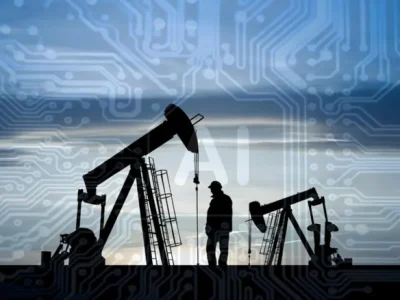
Libya is turning to artificial intelligence (AI), automation and digital infrastructure to modernize its oil industry as the National Oil Corporation (NOC) works towards increasing crude production to two million barrels per day. The strategy aims to improve oilfield efficiency, reduce operating costs and develop technology that can support the next phase of upstream investment.
The Ministry of Oil and Gas has accelerated this effort through its New Energy Tech initiative, which connects oil and gas companies with Libyan engineers, software developers, AI specialists, researchers and technology startups. The program encourages local developers to create solutions for operational challenges across the energy sector rather than relying entirely on imported technology.
The initiative comes as Libya looks to expand production, attract international energy companies and get more from its existing oilfields.
AI Moves Into Libya’s Oilfields
One of the clearest examples of this shift came in March 2026, when Sirte Oil Company, an NOC subsidiary, completed Libya’s first fully autonomous AI-powered geosteering operation at the Al-Khair field using technology from SLB.
The system guided an approximately 1,800-foot horizontal section within the reservoir. According to the reported results, the operation doubled the drilling penetration rate and delivered production of 1,060 barrels per day.
AI-assisted drilling can help operators identify reservoir boundaries more accurately and guide wells towards productive areas. This can improve drilling efficiency, reduce unnecessary costs and help companies recover more oil from existing fields.
The potential applications extend beyond drilling. Automated monitoring systems can collect data from remote wells, track equipment performance and identify operational problems. This allows engineers to make decisions faster without depending entirely on physical visits to often remote oilfield locations.
For Libya, where oil production takes place across large and geographically dispersed areas, these capabilities could improve how operators manage their assets.
Connectivity Is Becoming an Energy Priority
Digital oilfields depend on reliable communications infrastructure. Without stable connections, operators cannot fully use real-time monitoring, remote operations and automated systems.
Libya has begun addressing this challenge through projects designed to improve connectivity across its oil-producing regions.
In December 2025, Aljeel Aljadeed Technology and Hatif Libya launched an Oil Fields Connectivity Project covering more than 200 strategic sites, including over 80 oilfields and ports. The project includes infrastructure designed to support high-speed communications and future 5G applications.
The initiative builds on agreements signed by the NOC in September 2024 with Al-Madar, Libyana and Hatif Libya under the Toward Smart Oil Cities programme. These agreements aim to modernise telecommunications infrastructure in oil-producing areas and improve access to operational data.
Libya has also introduced a broader national AI strategy for 2026–2030, covering digital infrastructure, skills development and support for technology startups. This provides a wider policy framework for developing the country’s digital economy.
What Does This Mean for Oil Investment?
Technology alone will not take Libya to two million barrels per day. Production growth still depends on investment, field redevelopment, infrastructure, maintenance and a stable operating environment.
However, digitalization could make Libya’s oil sector more attractive to international operators. Better data, remote monitoring and more efficient drilling can help companies assess investment opportunities, manage operating risks and improve returns from existing assets.
The development of local technology companies also creates opportunities beyond oil production. Libyan software developers, engineers and telecommunications providers could gain a larger role in supplying services to the energy industry.
The next challenge is turning these initiatives into measurable improvements across the sector. Libya will need to expand reliable connectivity, train technical staff and ensure that new systems work across different operators and oilfields.
As the country prepares for its next production cycle, AI and digital infrastructure are becoming part of the wider investment equation. The question is no longer simply how much oil Libya can produce, but how efficiently it can develop and manage its resources.