Libya plans to increase funding for youth-led businesses and expand housing and loan program as Prime Minister Abdul Hamid Dbeibah announced a new package of initiatives aimed at improving economic opportunities for young people.
Dbeibah announced the measures on Saturday during National Youth Day celebrations in Tripoli. The package includes funding for small and medium-sized enterprises (SMEs), higher financial allocations for youth lending and housing initiatives, and an expansion of the number of beneficiaries.
The government also plans to introduce a rehabilitation and reintegration program for young people in correctional facilities and continue supporting sports clubs and activities across the country.
Small business funding could support private sector growth
The proposed funding for small and medium-sized enterprises could help Libya address one of its biggest economic challenges: its limited private sector.
The economy remains heavily dependent on oil revenues and public sector employment. Expanding access to finance could give young entrepreneurs more opportunities to establish businesses, create jobs and develop activities outside the oil industry.
However, the announcement did not specify the total funding available, the sectors that will qualify or how the government will distribute the money. These details will determine whether the initiative can translate into meaningful business activity.
Libya needs more than financial allocations to build a stronger SME sector. Entrepreneurs also need reliable banking services, clearer regulations and a business environment that encourages private investment.
Housing loans add to public spending commitments
Dbeibah also announced increased funding for youth housing and lending programs, with plans to expand the number of people who can benefit.
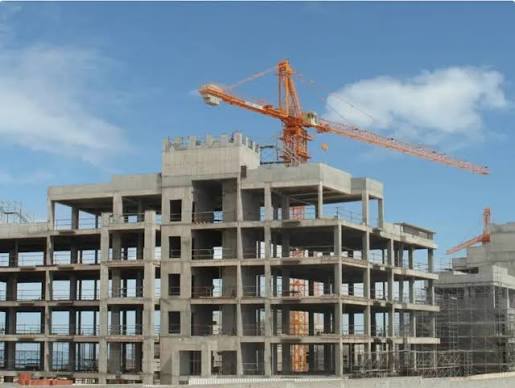
The housing initiatives could support demand in the construction sector, while creating opportunities for contractors, suppliers and other businesses linked to property development. Easier access to housing finance could also help young Libyans who struggle to enter the property market.
But expanding these programs will require sustainable financing and transparent eligibility rules. The government must also ensure that loan allocations reach their intended recipients and that housing projects deliver completed homes.
The broader challenge is turning public spending into lasting economic activity. As Libya continues to allocate billions of dollars to development programs, the effectiveness of that spending will matter as much as its size.
For Libya, youth financing could become an important tool for economic diversification. Its success will depend on implementation, access to finance and whether these initiatives help build businesses and employment opportunities beyond the public sector.