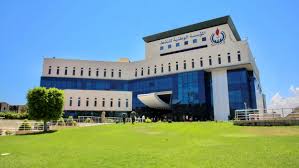
Libya’s National Oil Corporation (NOC) has reported outstanding financial obligations of around LD 35 billion (approximately $5 billion) across its subsidiaries, prompting the Audit Bureau to introduce closer oversight of payments. The move highlights growing pressure to improve financial accountability in Libya’s oil sector, where rising production and export revenues have not removed longstanding concerns over spending, debt and operational efficiency.
The Audit Bureau is reviewing a LD 4 billion allocation intended to settle part of the NOC’s financial obligations for the 2024 and 2025 fiscal years. Under the new oversight process, officials will examine the origin of each claim, its legal basis and supporting documents before approving payments.
The scale of the reported obligations raises wider questions about how the NOC and its subsidiaries manage their finances, particularly as Libya seeks to increase oil production and attract more investment into its energy sector.
Previous audit rejected LD 2 billion in claims
The latest review follows an earlier examination of NOC and subsidiary liabilities dating from before 2022. The Audit Bureau initially assessed these obligations at around LD 6 billion but rejected claims worth LD 2 billion because they lacked sufficient legal or documentary evidence. It validated the remaining LD 4 billion.
That finding shows why the new oversight process matters. The NOC’s reported liabilities do not automatically represent verified debts, and the government should not release public funds without establishing that companies and contractors have legitimate claims.
As the Audit Bureau explained in its November 9 announcement, allocating money for payments does not establish that a financial claim is legitimate. Auditors must first verify the underlying obligation and its supporting documents.
The distinction also matters for private companies operating in Libya. Foreign oil companies and service providers depend on timely payments to execute contracts, maintain operations and support production. Delayed settlements can complicate relationships with suppliers and make future investment decisions more difficult.
Debt management matters for Libya’s oil ambitions
Libya wants to raise oil production and attract billions of dollars in investment to develop its oil and gas resources. Achieving these goals will require more than new drilling programmes and infrastructure spending. The NOC must also demonstrate that it can manage its finances, settle legitimate obligations and maintain reliable relationships with international partners.
The reported LD 35 billion in obligations therefore represents more than an accounting issue. It raises questions about the financial capacity of the country’s most important economic institution and the pressure its commitments could place on public finances.
Libya’s oil sector continues to generate substantial volumes, with October crude and condensate production reaching 43.47 million barrels. But sustaining and increasing that output requires consistent investment in infrastructure, maintenance and oilfield services.
The LD 4 billion allocation offers an opportunity to establish a clearer picture of outstanding obligations and improve confidence in the payment process. However, the bigger challenge is preventing new liabilities from accumulating without proper financial controls.
For Libya, stronger oversight will only deliver lasting results if it leads to more transparent reporting, better financial planning and greater accountability across the NOC and its subsidiaries.