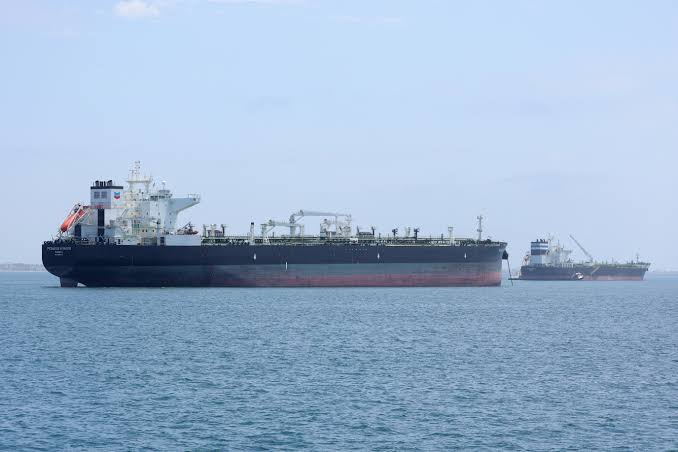
Libya’s National Oil Corporation (NOC) has contracted an additional gas tanker to strengthen domestic cooking gas supplies, with the vessel expected to enter service within two weeks. The move comes as the corporation works to maintain deliveries and ease pressure on the local market.
The NOC said it is monitoring gas production, shipping and distribution in coordination with relevant authorities and operating companies. It also confirmed that cooking gas deliveries to distribution centres across the country continue.
Two tankers carrying a combined 4,200 metric tons of liquefied petroleum gas (LPG) were at Libyan ports when the corporation announced the latest measures.
The tanker Al-Tahaddi was at Benghazi port carrying approximately 1,900 metric tons, while Derna was unloading around 2,300 metric tons at Tripoli port. The NOC said Derna would then move to Misrata to complete the discharge of its cargo.
NOC expands gas deliveries across Libya
The corporation is also relying on domestic production and existing infrastructure to maintain supplies across different regions.
Gas production continues at the Zawiya refinery, which supplies the western region and the Nafusa Mountains. Meanwhile, shipments through the Mellitah complex serve other parts of the country.
Adding another tanker should provide further flexibility in the supply chain, particularly as the NOC seeks to keep distribution centres stocked and avoid disruptions to household supplies.
However, securing additional cargoes is only one part of the challenge. Libya also needs reliable shipping arrangements, sufficient storage capacity and an efficient distribution network to ensure that imported gas reaches consumers without delays.
Domestic supply remains a challenge
The latest contract highlights the importance of LPG to Libya’s domestic energy market. Cooking gas remains an essential household fuel, and disruptions in deliveries can quickly create pressure on consumers and distribution networks.
The NOC’s wider gas strategy also focuses on improving production and making better use of domestic resources. Its gas recovery projects at the Messla and Sarir fields form part of efforts to capture gas that would otherwise go to waste and strengthen the country’s energy supply.
For now, the additional tanker offers another route to support the local market. Whether it brings lasting improvements will depend on the NOC’s ability to maintain regular shipments and coordinate deliveries across Libya’s distribution network.