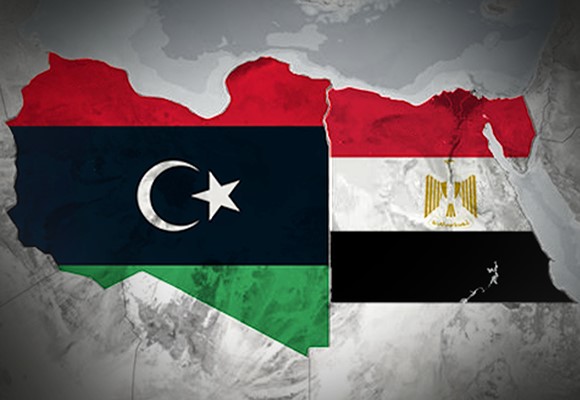
Egypt’s move to secure Libyan crude has pushed Libya into the center of a regional energy story. As war and shipping disruption shake Gulf supply routes, Cairo has started looking west for a closer and safer source of oil. That shift gives Libya more than a short term export opportunity. It gives Libya a chance to strengthen its role in regional energy security.
Reports say Egypt wants to import at least 1 million barrels of Libyan oil a month after disruption hit Kuwaiti crude flows. Egyptian officials moved quickly to protect refinery supply as the Gulf crisis made normal shipping routes harder to use. For Libya, the significance is clear. Egypt did not turn to a distant producer. It turned to its neighbor.
That choice reflects geography as much as market pressure. Libya can move crude to Egypt without the same exposure to the Strait of Hormuz, where conflict has disrupted normal flows and raised risks for Gulf exporters and buyers alike. In a crisis, proximity matters. So does speed. Libya offers both.
This is why the story matters for Libya first. For years, the Libyan oil sector has lived under a cloud of outages, blockades, and technical disruption. Yet this moment shows another side of the sector. When regional supply chains come under strain, Libya still holds real strategic value. It can step in quickly, and it can serve nearby markets that need immediate alternatives.
Egypt’s move also highlights a broader regional shift. Energy buyers now have to think harder about risk, route exposure, and delivery time. Gulf barrels still matter, but conflict has made them harder to secure and harder to move. That gives an advantage to producers closer to demand centers. Libya fits that picture better than most.
For Libya, that creates an opening, but not a guarantee.
The country can only turn this moment into lasting economic value if it keeps supply stable. Buyers may accept some risk during an emergency, but they will not build a long term supply strategy around repeated disruption. Libya therefore needs to treat this episode as a test of reliability, not only as a commercial gain.
That challenge remains real. Libya’s oil sector still faces infrastructure weaknesses and operational interruptions. The recent disruption at Sharara offered another reminder that technical issues can quickly affect production and exports. This matters because any new regional role for Libya will depend less on headline ambition and more on delivery. Libya does not need to promise everything. It needs to prove that it can supply crude steadily when buyers need it most.
If it can do that, Egypt’s turn to Libyan oil could carry wider significance. It could deepen a natural energy relationship between the two countries. It could also strengthen Libya’s case as a Mediterranean supplier with strategic value beyond its traditional export patterns. In a region now forced to rethink energy security, Libya has a chance to present itself as more than a producer with large reserves. It can present itself as a nearby supplier that matters in moments of real stress.
That is the deeper economic point. Crisis has changed the value of distance. It has also changed the value of flexibility. Libya benefits on both counts. Its crude sits closer to Egypt than disrupted Gulf supply, and it can help fill a gap that emerged at exactly the moment Cairo needed options.
For now, Egypt’s move remains a response to a supply shock. But for Libya, it could mark something larger. It could show that Libyan oil is not only available when markets are calm. It could show that Libya becomes more important when markets come under pressure.
If Libya wants to build on this opening, it now has a simple task. It needs to match strategic opportunity with operational consistency. If it does, this will not remain just another crisis driven trade adjustment. It will mark a clearer shift in how the region values Libyan crude.