Eni Libya Gas Project at Bahr Essalam to Boost Output and End Flaring by 2026
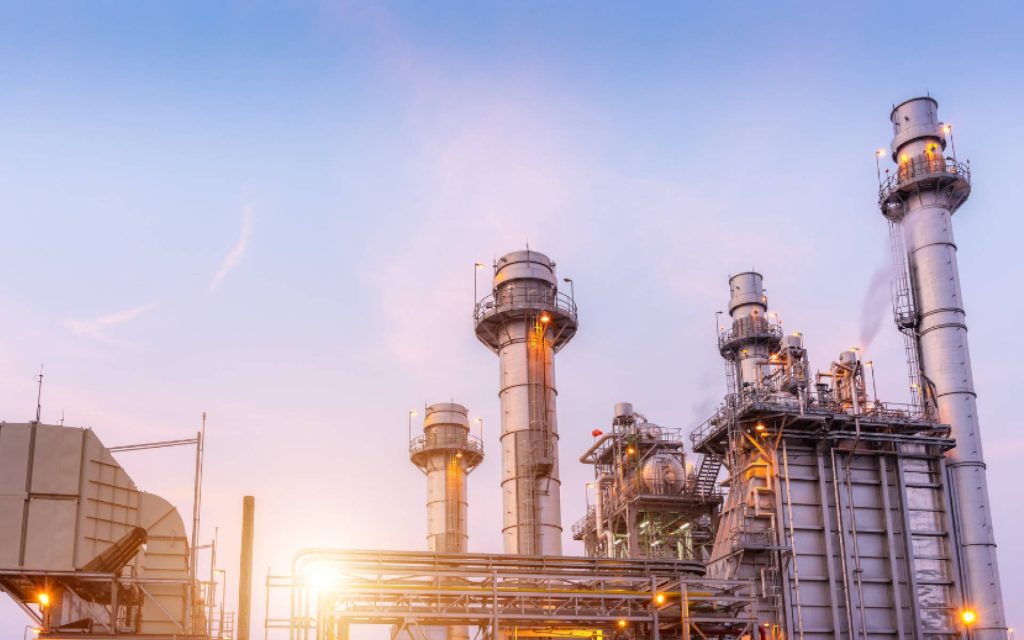
Italy’s state-backed energy company Eni announced it will start operating a new gas compression unit at the offshore Bahr Essalam field by the end of the first quarter of 2026. The facility is designed to process about 100 million cubic feet of gas per day, most of which will first serve Libya’s own power and industrial needs. Bahr Essalam is a major source of associated gas that already feeds the Greenstream pipeline to Italy. The announcement was made at the Libya Energy & Economic Summit in Tripoli, reflecting international focus on Libya’s energy potential. Much of that gas was previously flared at the field; Eni says the new compression unit will capture it, advancing its goal of ending routine flaring in Libya.
During a summit panel discussion, Eni’s exploration director, Luca Vignati, said the new capacity “will benefit the Libyan domestic market and could generate a surplus for export to Italy, and from there to the rest of the European markets”. The company also announced that a second gas-compression project will come online by late 2026, adding another 100–120 MMcfd. Together these projects would raise Eni’s total Libyan gas output to roughly 800 MMcfd. Vignati noted that the Bahr Essalam unit helps Eni meet its carbon-emission targets by ending flaring at its Libyan sites. At the same panel, Libyan officials said the National Oil Corporation (NOC) plans to invest about $2 billion in pipelines and related infrastructure to improve production and attract foreign capital.
Italy’s Strategic Energy Partnership
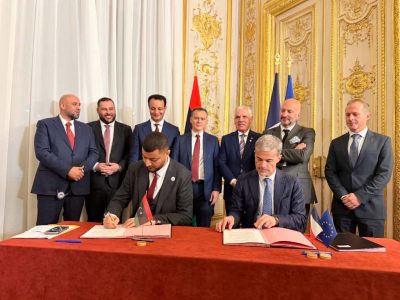
Italy has long been Libya’s most important foreign energy partner, and recent diplomacy has reinforced that role. In January 2023, Italian Prime Minister Giorgia Meloni led a delegation to Tripoli where Libyan and Italian leaders signed multiple accords on energy and economic cooperation. One key agreement between Eni and the NOC covered two major offshore gas structures (A and E), with output slated to begin in 2026 and rise to a plateau of about 750 MMcfd. European governments – eager to diversify gas supplies after reducing reliance on Russia – see Libyan gas projects as attractive alternatives. At the Tripoli summit, Libya’s Oil Minister Khalifa Abdulsadek stressed that “Italy is a big part of our oil and gas industry,” and he urged companies to bring Italian expertise into Libya’s power and infrastructure sectors.
Industry participants also highlighted Libya’s lineup of large-scale projects: an $8 billion offshore development (Structures A&E) targeting 750 MMcfd, and a $1 billion Saipem-led project at the Bouri field to capture and export gas that was previously flared. They noted that Libya is finalizing its first upstream licensing round in roughly 20 years, a step toward establishing clear rules for foreign investors. Much of Libya’s gas output already flows to Italy: Eni’s Mellitah Oil & Gas joint venture with the NOC operates Bahr Essalam, Bouri and other fields and sends their gas through the Greenstream pipeline to Sicily. This network of projects and pipelines underscores how deeply Italy’s energy industry is embedded in Libya’s strategy.
Economic and Institutional Challenges
Despite the momentum around new projects, Libya’s oil sector still faces serious economic and political challenges. The NOC has warned that it went without an approved operating budget for 2025 and is burdened by mounting debt, a situation that “severely pressure[s]” production efforts. At the same time, Libya’s political ecosystem remains complicated: rival parliaments and armed groups have at times challenged the legitimacy of Tripoli’s government and its contracts, raising the risk that deals could be contested or stalled. Officials at the summit nevertheless struck an upbeat tone. Oil Minister Abdulsadek reiterated an ambitious goal to double Libya’s gas output within a few years, relying on strict flaring cuts and full use of the new pipelines and facilities. These targets underline Libya’s urgent need to turn project announcements into actual investments and jobs.
For now, the Bahr Essalam project stands as a symbol of Libya’s energy ambitions. It represents concrete progress – more gas for local industry and an end to wasteful flaring at one of the country’s key fields. But its success will hinge on Libya’s economy and institutions keeping pace with the technical plan. If Eni brings the field online as scheduled, it will demonstrate that foreign investment can still proceed amid Libya’s volatility. Whether that initial spark of gas production ignites broader economic development and stronger governance in Libya remains to be seen.