Italy and Libya have reaffirmed their long-standing energy partnership in new high-level talks that signal deeper cooperation across oil, gas, and infrastructure development. The discussions come at a time when Europe continues to face energy market volatility and supply diversification pressures, especially amid geopolitical tensions affecting global fuel flows.
The latest engagement between Rome and Tripoli highlights both countries’ strategic priorities. Italy aims to secure stable energy imports and reduce exposure to volatile markets, while Libya seeks to expand production capacity and attract long-term foreign investment. Energy cooperation remains the central pillar of their bilateral relationship, anchored by decades of industrial collaboration and shared Mediterranean interests.
Energy security takes center stage in Italy-Libya relations
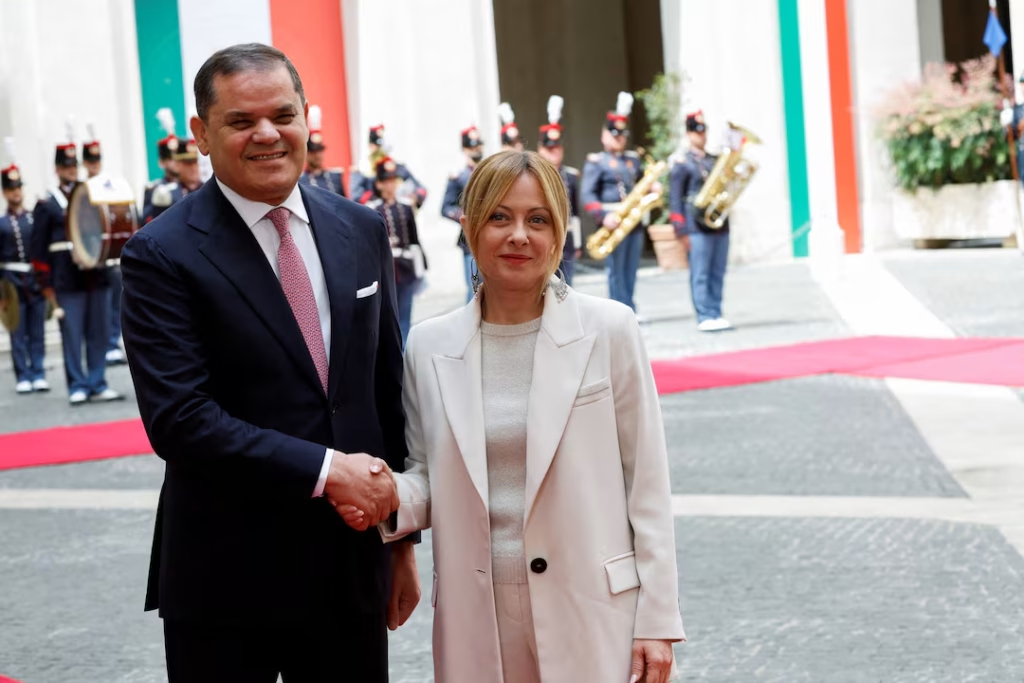
Italian Prime Minister Giorgia Meloni and Libyan Prime Minister Abdulhamid Dbeibah recently met in Rome to discuss strengthening cooperation in the energy sector. Both sides focused on oil and gas development, investment flows, and long-term supply stability.
Italy continues to position Libya as a key strategic supplier, particularly as it works to diversify imports away from more unstable or expensive global sources. Libya already plays a major role in Italy’s energy mix, supplying a significant share of its crude oil imports.
During the talks, both governments emphasized expanding existing partnerships rather than starting from scratch. They focused on increasing upstream investment, improving production efficiency, and supporting infrastructure that can boost exports to Europe.
Global energy market instability added urgency to the discussions. Rising fuel prices and geopolitical disruptions in key producing regions have pushed Italy to strengthen ties with reliable nearby suppliers such as Libya.
Libya positions itself as a stable Mediterranean energy hub
Libya used the talks to reinforce its role as a critical energy hub in the Mediterranean. Despite domestic political and infrastructure challenges, the country continues to hold significant oil and gas reserves and remains a major supplier to European markets.
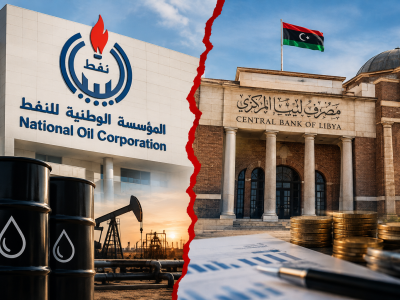
The National Oil Corporation (NOC) has been actively pushing for increased production, new exploration activity, and pipeline rehabilitation projects aimed at reducing gas flaring and expanding export capacity. Recent infrastructure upgrades are designed to improve output efficiency and support higher long-term deliveries to partners like Italy.
Libya also continues to work with international energy firms, including Italian energy giant Eni, which has operated in the country for decades. These partnerships remain central to Libya’s strategy to stabilize production and attract foreign capital into upstream and midstream projects.
At the same time, Libya faces structural challenges. Political fragmentation, inconsistent regulatory frameworks, and infrastructure constraints continue to limit output growth potential. However, recent exploration activity and renewed licensing efforts signal cautious progress toward rebuilding investor confidence.
Italy accelerates diversification strategy amid global volatility
For Italy, the Libya partnership fits into a broader energy security strategy. Rome continues to diversify supply sources while strengthening relationships across North Africa and the Mediterranean basin.
The government has prioritized reducing dependency risks tied to distant or politically unstable supply routes. Libya offers a geographically close and historically integrated alternative, particularly for crude oil and potential future gas expansion.
Italian energy companies, especially Eni, remain deeply embedded in Libya’s upstream sector. Their long-term presence provides operational continuity and technical expertise that supports ongoing field development projects.
Recent diplomatic engagement also reflects Italy’s wider geopolitical balancing act. It must secure energy supplies while navigating broader regional tensions and maintaining alignment with European Union energy and security priorities.
Expanding investment and infrastructure cooperation
Beyond immediate supply concerns, both countries are increasingly focused on long-term investment frameworks. Talks in Rome included discussions on boosting capital inflows into Libya’s energy sector, improving field development, and modernizing infrastructure.
Infrastructure remains a key bottleneck. Libya’s ability to increase exports depends heavily on pipeline reliability, processing capacity, and stable operating environments. Italy has signaled willingness to support technical cooperation and investment partnerships that can help unlock stalled or underperforming assets.
Energy cooperation also extends into broader economic ties. Both sides view energy as a gateway sector that can drive wider trade, infrastructure development, and regional integration across the Mediterranean.
A partnership shaped by geopolitical uncertainty
The renewed focus on Italy-Libya energy ties reflects broader shifts in global energy geopolitics. Supply chain disruptions, regional conflicts, and fluctuating demand patterns have pushed countries to prioritize nearby and politically aligned suppliers.
For Italy, Libya represents both opportunity and necessity. For Libya, Italy offers investment, technology, and stable long-term demand.
As energy markets continue to evolve in 2026, the Italy-Libya relationship is likely to deepen further. Both governments now see energy cooperation not just as a commercial arrangement, but as a strategic pillar of Mediterranean stability and economic resilience.