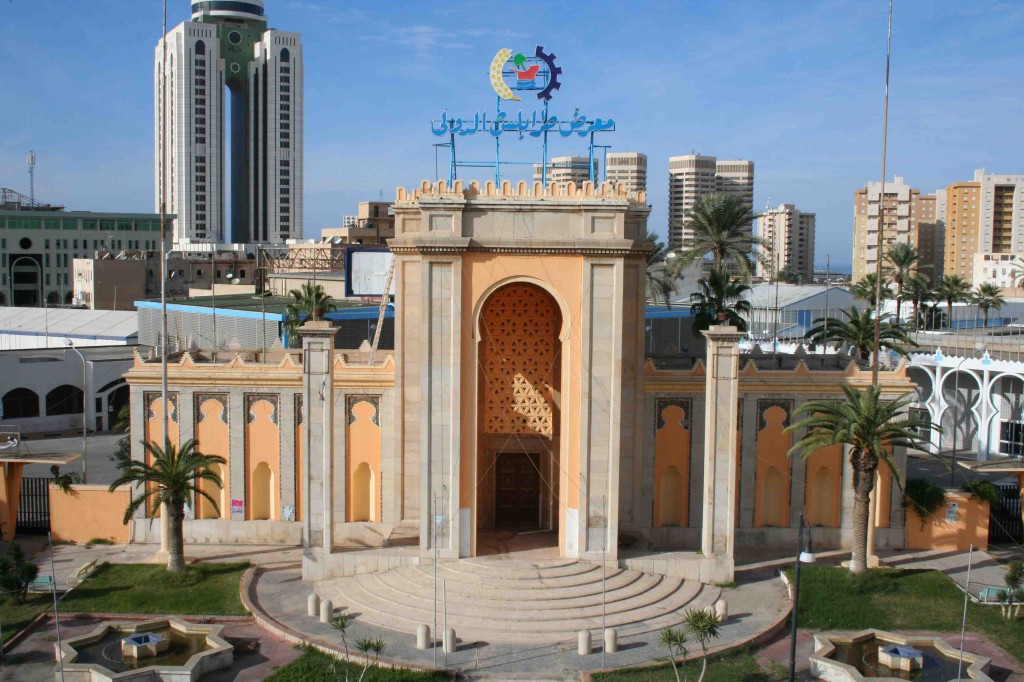
Libya and Egypt are finally moving past handshakes and high-level meetings this week after the Ministry of Economy and Trade in the Government of National Unity signed an agreement to organize an Egyptian Industries Exhibition in Tripoli. The event will be hosted at the Tripoli International Fair, a venue that officials and business leaders are working hard to reposition as a hub for trade deals and investment matchmaking.
The agreement bridges the gap between public sector oversight and private sector hustle through the Libyan Egyptian Business Council. It’s a clear push to turn high-level diplomacy into measurable trade and industrial results. According to the announcement, the exhibition is intended to open direct channels between Egyptian manufacturers and Libyan importers, distributors, contractors, and project developers, while also encouraging Libyan companies to expand their participation in regional exhibitions and business forums.
For Libya, the move is about meeting immediate, high-stakes market needs. Demand for industrial inputs remains high across construction, infrastructure maintenance, consumer goods supply, and light manufacturing. An Egyptian industrial showcase in Tripoli offers a shortcut to faster procurement and face-to-face negotiations, which can reduce friction compared to dealing through intermediaries abroad. In a market where logistics and payment pathways can complicate trade, the value of direct engagement is huge, especially for smaller businesses that don’t have the scale to navigate complex import red tape on their own.
There is also recent precedent for Libya Egypt cooperation translating into signed contracts and visible works. The Tripoli Third Ring Road, valued at roughly 350 million US dollars, saw its remaining completion works awarded in 2021 to an Egyptian consortium through Libya’s Housing and Infrastructure Board under the Ministry of Housing and Utilities. On the power infrastructure side, the General Electricity Company of Libya signed an 800 million euro contract with Elsewedy Electric to deliver a 1,044 megawatt power plant in Zliten along with associated grid interconnection works.
More recently, Libya’s Fund for Development and Reconstruction concluded packages with Egyptian contractors including Neom for Real Estate Development and Wadi El Nile for General Contracting to implement roads, bridges, wastewater, and electricity projects across Derna, Al Bayda, and the Tobruk Emsaad corridor. Egyptian business representatives have stated that Egyptian firms have executed more than 5 billion US dollars worth of reconstruction projects in Libya in recent years, providing a tangible base for deeper industrial engagement.
For Egypt, Libya remains one of the most natural commercial partners in North Africa. Geography shortens shipping routes and lowers costs, while longstanding social and business connections create familiarity for Egyptian exporters. Egyptian firms have historically maintained a presence in Libya through contracting, building materials supply, household goods, and technical services, and this exhibition format provides a structured way to consolidate those existing relationships while pursuing new ones.
The initiative is part of a steady comeback in cooperation between these two neighbors. While political conditions have dictated the pace of engagement over the years, the underlying trade and labor links have never really broken. Both sides are now signaling that they want formal systems in place to support real investment. Events like industrial exhibitions matter because they translate diplomatic talk into private sector deal flow, which can be harder to reverse once companies establish contracts, agencies, and shared commercial interests.
The choice of the Tripoli International Fair carries its own strategic weight. Reviving the fair as a venue for specialized exhibitions suggests a desire to restore confidence in Tripoli’s capacity to host large scale business gatherings and to attract regional participants. For Libyan policymakers, this fits into a larger story about waking up the market and diversifying away from a total reliance on oil. For local businesses, the exhibition is a door to competitive products, potential technology transfer, and partnerships that could support local assembly, maintenance services, and after sales networks.
The key test will be execution. The exhibition’s impact will depend on the scale and quality of participating firms, the presence of decision makers who can sign binding agreements, and the availability of practical facilitation, including customs clarity, shipping coordination, and reliable payment options. Still, signing this agreement is a strong statement of intent. Libya and Egypt are using industrial cooperation as a tool to expand trade, strengthen private sector ties, and build an economic relationship that is shaped less by rhetoric and more by transactions.