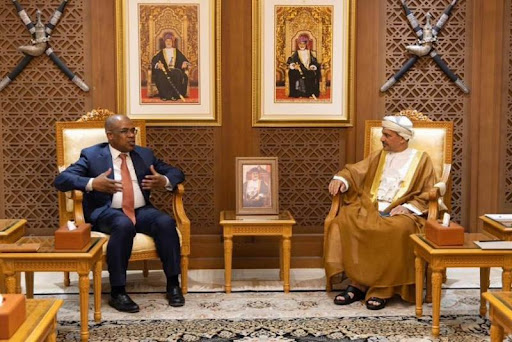
Libya continues to expand its international energy partnerships as it pushes to strengthen its oil and gas sector and attract foreign investment. A recent visit to Oman signals a clear step in that direction. Officials from both countries met in Muscat and agreed to deepen cooperation in oil, energy, and investment. The move aligns with Libya’s broader strategy to rebuild output, modernize infrastructure, and position itself as a competitive energy hub in the region.
A senior Libyan delegation led by the Minister of Oil and Gas and the Minister of Economy and Trade held talks with Omani counterparts and investment institutions. The meetings focused on practical areas of cooperation across the energy value chain. Both sides explored opportunities in upstream exploration, production, and energy services. They also discussed downstream development and infrastructure projects that can support long-term growth.
Libya wants to increase production capacity and improve operational efficiency. The country holds some of the largest oil reserves in Africa, yet it still faces technical and infrastructure gaps. Officials see international partnerships as a key solution. Oman brings experience in energy management, enhanced oil recovery, and project execution. Libyan officials want to leverage this expertise to support field development and optimize output.
The discussions also covered the exchange of technical knowledge. Both sides want to build stronger institutional links between their energy sectors. They plan to support training programs and knowledge transfer initiatives. This approach can help Libya strengthen local capabilities while reducing reliance on external contractors over time. It also supports more sustainable sector development.
Investment remains a central pillar of the Libya-Oman talks. Both countries want to expand joint investments in energy and related industries. Libyan officials highlighted existing Libyan investments in Oman and pointed to a solid base for further growth. They now want to scale this cooperation through new joint ventures and targeted investment projects.
The two sides discussed creating structured frameworks that support investors and reduce barriers to entry. These frameworks can help accelerate project approvals and improve coordination between institutions. Officials also proposed organizing joint business forums. These events can connect private sector players and identify bankable opportunities in both markets.
Libya continues to focus on attracting foreign capital into its energy sector. Oil revenues remain the backbone of the national economy. The government depends on stable production to fund public spending and economic recovery. Any disruption in output directly affects fiscal stability. This reality drives Libya’s push to secure reliable partnerships and long-term investment commitments.
The country has made progress in recent years. It has reopened bidding rounds and signed agreements with international energy companies. These deals aim to boost exploration activity and increase reserves. Libya also continues to work on restoring damaged infrastructure and improving export capacity. However, challenges remain. Political uncertainty and security risks still affect investor confidence.
This context makes partnerships like the one with Oman more important. Libya wants partners that can engage across multiple levels. It seeks not only capital but also technical support and long-term commitment. Oman fits this profile. It has built a reputation for stable energy policies and effective project execution. This alignment creates a strong foundation for cooperation.
The talks also extended beyond hydrocarbons. Both sides explored opportunities in renewable energy and industrial development. Libya has started to consider diversification strategies as global energy markets evolve. While oil will remain dominant, the country wants to prepare for future shifts. Renewable energy projects can play a role in this transition.
Oman’s experience in diversification offers useful insights. The country has invested in logistics, manufacturing, and clean energy. Libyan officials see value in learning from this model. They want to adapt similar approaches to local conditions. This exchange of experience can help Libya build a more balanced and resilient economy over time.
Regional dynamics also shape this partnership. Countries across the Middle East and North Africa increasingly focus on cooperation in energy and investment. Governments want to align strategies and share resources. Libya aims to integrate more deeply into these regional networks. Stronger ties with Oman support this objective and expand Libya’s economic reach.
For Oman, the partnership opens access to Libya’s energy sector and investment landscape. It also strengthens its presence in North Africa. This mutual benefit creates momentum for continued engagement. Both sides have expressed commitment to move from dialogue to implementation. They want to translate discussions into concrete projects that deliver measurable results.
The next phase will focus on execution. Officials plan to identify priority projects and define timelines. They will also work on legal and regulatory frameworks that support joint ventures. Private sector participation will play a key role. Companies from both countries can drive progress through direct investment and operational partnerships.
Libya continues to rebuild its position in global energy markets. It has the resources to compete, but it needs consistent policy and strong partnerships. Cooperation with Oman represents a step forward. It reflects a broader effort to create stability, attract investment, and unlock growth.
The Libya-Oman talks highlight a clear message. Libya wants to move beyond short-term recovery and build a sustainable energy future. Strategic partnerships will shape that path. If both sides follow through on commitments, this cooperation can deliver tangible results. It can boost production, create jobs, and support economic development. That outcome remains the core objective as Libya works to strengthen its energy sector and secure long-term growth.