The next Gulf shock may be about diesel, not crude. What that means for Libya
The latest Gulf crisis has pushed crude back to the center of global attention, with Brent trading around the $100 mark and physical oil flows through the Strait of Hormuz drastically reduced. But the more revealing market signal may now be coming from diesel, not crude.
Reuters reported last week that the disruption in and around Hormuz could remove 3 to 4 million barrels per day of diesel supply from the market, while diesel prices have risen faster than both crude and gasoline. In the United States, average diesel prices have already climbed above $5 a gallon, while Europe has been grappling with another round of energy price stress as the conflict involving Iran intensifies.
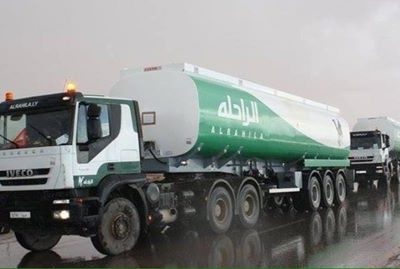
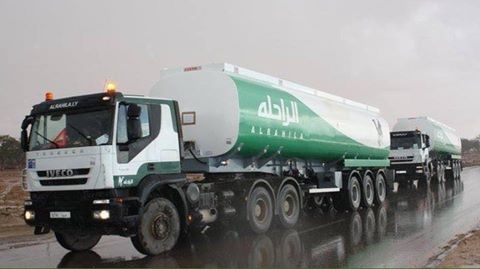
That matters for Libya because diesel sits much closer to the real economy than headline crude prices do. Crude may dominate television screens and market commentary, but diesel is the fuel that moves trucks, powers industrial equipment, supports agriculture, and quietly shapes the cost of transporting almost everything else.
When diesel markets tighten, the effect is rarely confined to the energy sector. It spreads through freight, food, construction, and public finances. For a country like Libya, where the energy system already carries structural inefficiencies, that distinction matters.
Much of the recent discussion around Libya and the Gulf war has focused on whether Libyan crude becomes more attractive when Hormuz is under strain. Or at least more accessible. That argument has some logic. Libya’s Mediterranean geography gives it shorter routes to Europe, and its barrels are outside the Gulf’s most dangerous maritime bottleneck. But crude alone does not tell the full story of an energy shock. The current crisis is exposing something broader: economies are often hit hardest not when they lose access to raw oil, but when product markets tighten and the cost of usable fuels rises. Reuters noted that diesel has become one of the most vulnerable fuels in this war, especially as Europe remains dependent on imported middle distillates after moving away from Russian supply.
For Libya, that creates a more complicated picture than the usual windfall narrative. Higher crude prices can lift export revenue, at least in the short term. But tighter diesel and refined product markets can also increase domestic economic pressure. Libya may be an oil producer, but that does not make it immune to product market stress. The country still faces fuel management challenges, distribution bottlenecks, subsidy distortions, and a heavy dependence on the efficient movement of refined fuels through its domestic economy. When diesel prices rise globally, the cost shows up not only in import bills and procurement risk, but also in the wider fiscal burden of maintaining cheap fuel at home.
This is the part of the Gulf shock worth paying attention to now. Diesel is not merely another line in the petroleum complex. It is one of the clearest transmission channels between global conflict and domestic inflation. If transport firms face higher diesel costs, those costs feed into food prices and logistics. If industrial operators pay more for fuel, margins narrow and activity slows. If governments continue to suppress the domestic price signal through subsidies, the immediate inflation effect may look muted, but the fiscal cost rises instead. Either way, the economy absorbs the shock.
The timing of this matters. Reuters reported in February that Libya has brought in more Western traders to secure fuel supplies, reducing reliance on Russian flows. That diversification may improve resilience at the procurement level, but it does not insulate Libya from a broader tightening in diesel markets if available cargoes become scarcer or more expensive worldwide. In parallel, Europe’s own scramble to cushion consumers and industry from higher energy costs shows that refined product stress is not a secondary issue in this crisis. It is becoming one of its most politically and economically sensitive dimensions.
Diesel tightness exposes the gap between reserve wealth and energy resilience. A country can sit on vast crude resources and still feel vulnerable if its downstream system is underpowered or its domestic fuel economy remains inefficient. This is where the current crisis intersects with Libya’s longer term policy challenges. The deeper issue is not whether Libya has hydrocarbons, it plainly does. The issue is whether its energy model is flexible enough to absorb a product market shock without turning every external crisis into either higher inflation or a heavier subsidy bill.
In that sense, the next Gulf shock may force a different conversation inside Libya’s economic debate. For years, the country’s energy story has often been told through production targets, export routes, and upstream recovery. Those themes remain important. But a diesel driven shock shifts the focus toward the hidden architecture of economic resilience: refining, storage, distribution, transport costs, and the fiscal mechanics of keeping fuel cheap in an expensive world. These are less glamorous topics than barrels and shipping lanes, but they are often the ones that determine whether an oil economy can actually protect itself when the market turns hostile.
This does not mean Libya cannot benefit from the current crisis. Stronger crude prices and Europe’s search for nearby supply may still improve the commercial value of Libyan output. But the country should be careful not to confuse price support with systemic strength. A war driven rally in oil is not the same as a stronger energy economy. If diesel remains tight, if freight and industrial costs rise, and if domestic fuel subsidies become more expensive to sustain, then part of any crude windfall may be quietly offset by downstream pressure at home.
That is why diesel deserves more attention than it has received in recent conversations around the Gulf war. In energy crises, the most important question is not always who produces oil. It is who can keep the real economy moving when fuel becomes more expensive, scarcer, or both. Libya’s place in that story is more complex than the usual export map suggests.
The country may gain from crude dislocation, but a diesel shock would test something deeper: whether Libya’s energy system is resilient enough to turn oil wealth into economic protection rather than another round of hidden vulnerability.