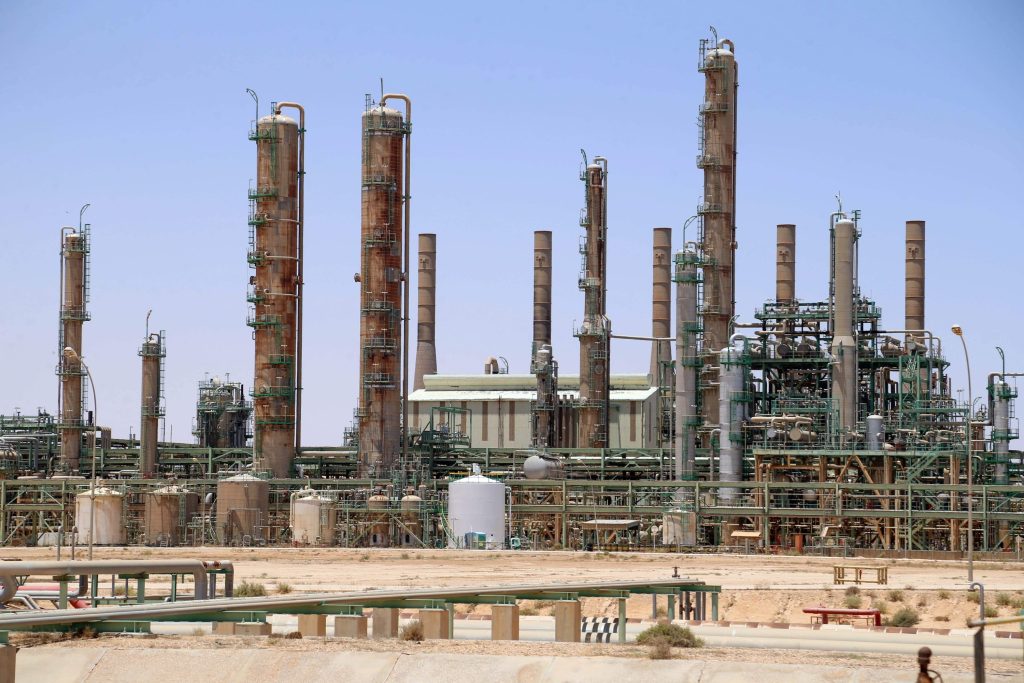
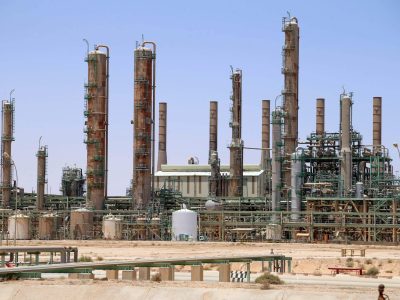
Libya has raised oil production to around 1.43 million barrels per day, marking its highest level in more than a decade and reinforcing a steady recovery across the country’s energy sector.
The increase builds on a gradual upward trend over the past year. Output averaged close to 1.37 million barrels per day in 2025, already the strongest annual performance in over ten years, before recent gains pushed production above the 1.4 million mark. The latest figure brings Libya closer to levels seen before the disruptions that followed 2011.
Production has shifted sharply over the past decade. Political divisions, blockades, and operational outages often pushed output below 1 million barrels per day. Disputes over revenue distribution and control of infrastructure frequently triggered sudden declines. Against that backdrop, the current level reflects a period of relative operational stability.
Recent gains reflect a combination of field restarts and closer coordination across operators. Activity in the Sirte Basin, which hosts some of Libya’s largest fields, has supported higher flows. Fewer large shutdowns have helped maintain continuity. Technical maintenance and incremental upgrades have also supported steady output.
The current level still sits below Libya’s historical peak. Before 2011, production often reached around 1.6 million barrels per day. Earlier decades saw even higher levels. Even so, the move above 1.4 million barrels per day highlights how quickly output can expand when conditions align.
Libya’s resource base continues to support that expansion. The country holds the largest proven oil reserves in Africa, estimated at roughly 48 billion barrels. Its crude, particularly light and sweet grades, remains attractive to refiners in Europe and the Mediterranean, where proximity and quality support consistent demand.
Higher production adds incremental supply to regional markets. Libya operates with more flexibility than producers bound by strict quota systems, which allows output to rise when conditions improve. This flexibility can increase its relevance during periods of tighter supply or disruption elsewhere.
Current regional dynamics add another layer. Tensions affecting Gulf supply routes have pushed some buyers to reassess sourcing strategies. In that context, Libya’s ability to deliver additional volumes through Mediterranean routes can offer an alternative option for regional actors seeking accessible crude.
At the same time, structural constraints remain. Libya’s oil sector still depends on a fragile balance between political actors, institutions, and local stakeholders. Control over fields, pipelines, and export terminals remains sensitive, and disputes can quickly affect production levels.
Past disruptions illustrate that volatility. Output has, at times, dropped by several hundred thousand barrels per day within short periods due to blockades or disagreements over revenue allocation. That pattern continues to shape how markets view Libyan supply, which often carries a higher risk premium despite its quality.
Institutional coordination also plays a central role. The system relies on alignment between operational management, financial authorities, and local actors to maintain flows. Any breakdown in that alignment can disrupt production, even when infrastructure remains intact.
The latest increase reflects both operational improvements and a temporary convergence of political and technical factors. It does not remove the underlying risks that have defined Libya’s oil sector over the past decade.
Looking ahead, Libya has set longer-term targets to raise output toward 2 million barrels per day. Achieving that level would require sustained investment in infrastructure, including pipelines, storage, and field development, alongside a more stable operating environment.
For now, the move to 1.43 million barrels per day signals renewed momentum. It shows that Libya can expand production quickly when disruptions ease, while also underscoring the need for continued stability to sustain those gains.