Libya Shipwreck Rescue in Misrata Highlights Storm Chaos and Governance Strains
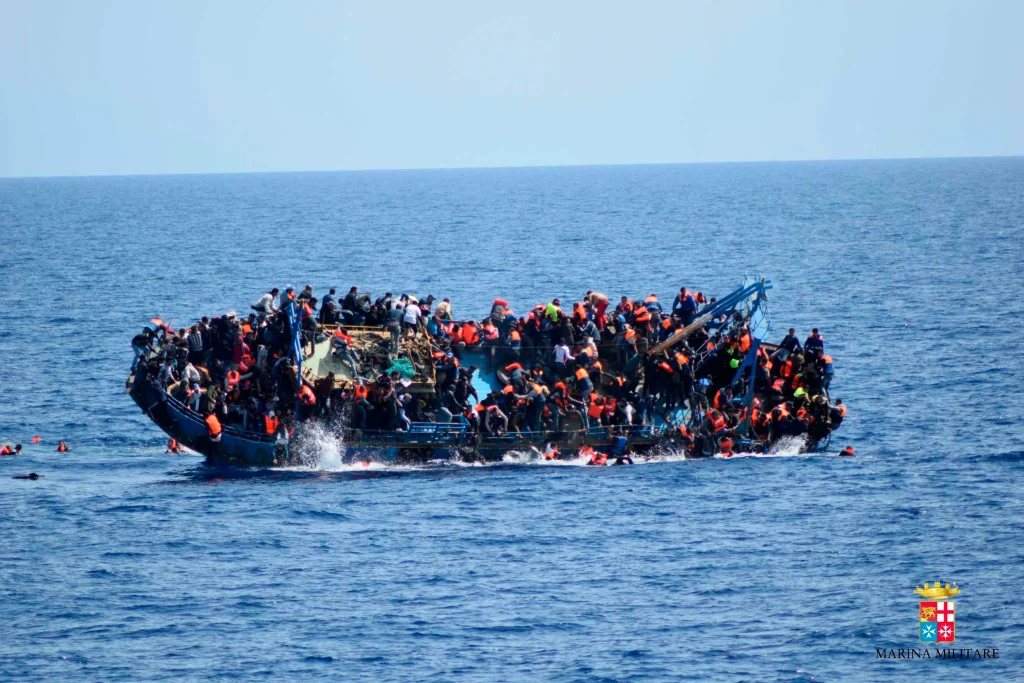
In late January, a Libyan freighter sailing into Misrata port scrambled to save its fellow mariners. A commercial cargo ship under Cameroonian and Tanzanian flags had run into trouble in stormy weather off Libya’s coast. Libyan authorities reported that the vessel sank at sea in rough winter seas, prompting its captain to order an evacuation before sending out a distress call. The Libyan freighter answered that call. All 11 sailors were taken aboard safely and delivered to the Iron and Steel Port in Misrata, with no casualties reported. Authorities said investigations will determine if negligence or mechanical failure was involved. The quick, successful operation averted what otherwise may have been a tragedy.
Domestic life was already upended by the same weather. On January 26, the House of Representatives postponed a planned session after declaring a state of emergency over the storm. That meeting had been called to hear the central bank governor and oil corporation chief on monetary policy and liquidity questions. But wind and sandstorms forced its delay at the last moment. The session had been set to discuss the dinar’s exchange rate and other economic challenges. In Libya, even routine parliamentary oversight can be blown off course by one fierce Mediterranean gale.
Partnerships and Promises
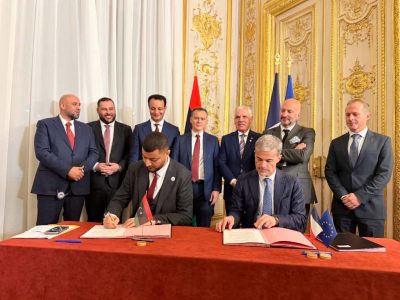
In recent months Libyan officials have been actively courting international partners to aid reform. In mid-November a government delegation traveled to Washington DC for a roundtable meeting. Co-hosted by the Atlantic Council, it was attended by Libya’s finance and development ministers and senior U.S. lawmakers, with the stated aim “to strengthen political, economic, and security cooperation” between the two countries. Libyan representatives used the forum to highlight plans to boost governance, financial transparency and foreign investment. They cited new interest from American energy firms as evidence that Libya’s path to stability might be working, and affirmed a commitment to strategic partnership with the United States to foster that stability.
These overseas efforts have a European counterpart. In Tripoli, the European Union’s diplomatic mission has hosted workshops on economic planning and governance. In late December, EU envoys jointly emphasized the need for a unified national budget as a bulwark against Libya’s fiscal risks. They stressed that unresolved budget fragmentation leaves the country vulnerable to shocks. The international message is clear: Libya’s economic future depends on its resource wealth, but equally crucial are strong institutions and disciplined finance.
Libya’s economic potential is enormous on paper, but the path to realizing it runs through stable governance. For example, Tripoli is preparing to host a high-profile energy summit next month which organizers say will spotlight Libya’s proven 48 billion barrels of oil reserves – the largest in Africa – and its plan to boost output to 2 million barrels per day. These numbers underscore Libya’s resource wealth, but turning that wealth into prosperity depends on reforms and security that investors can trust.
Challenges and Change
Issues at home underscore why. Libya’s economy still reels from chronic imbalances. Lawmakers have repeatedly summoned the central bank’s governor to explain the dinar’s steep decline and liquidity gaps. One session planned for mid-January, intended to scrutinize monetary policy, was abruptly canceled when severe storms prompted an emergency decree. Across the country, political leaders must navigate exchange-rate swings, budget deficits and overlapping institutions, while juggling a nation effectively run by two rival administrations. The central bank has been trying to bridge these divides: Governor Naji Issa warned that only a unified budget approved and respected by both governments can restore domestic and international confidence. For its part, the U.S. Treasury has likewise urged a single budget as a key step toward stability. Until such steps are firmly taken, incidents like the recent shipwreck will serve as reminders of the country’s underlying vulnerabilities.
The vessel rescue thus symbolizes a crossroads. It demonstrates that Libya possesses capable responders and that life can continue in adversity, but it also exposes the thin margins on which the country often operates. The ship itself was reportedly old and heavily laden, yet it was allowed to sail; the episode questions the rigor of safety inspections. Officials also worry about environmental fallout: the ship’s cargo of heavy machinery and marble could threaten pollution at the wreck site. Such gaps, in safety or in governance, highlight systemic strains. Libya’s leaders often claim resilience, but true progress will be measured by how their institutions respond when crisis looms.
For Libyans at home, the rescue may simply end in gratitude that lives were spared.
But for outside observers, the implications are broader. Foreign delegates touring Tripoli will take note: the Libyan delegation can talk reform and opportunity, but it will be judged on tangible results. The question now is whether promises of stronger institutions and stable budgets translate into a state that can withstand the next crisis. For now, the crew’s safe arrival in Misrata is a rare reassurance. But it should serve as a cautionary reminder: Libya’s natural resilience must be matched by capable institutions if the country is to weather the next storm.