Libya’s Freight Advantage as Hormuz Tightens
When the Strait of Hormuz becomes uncertain, the market pays twice: once for crude, and again for the right to move it. This week’s surge in freight and insurance costs is turning geography into strategy, and it puts Libya’s Mediterranean export position into a new light.
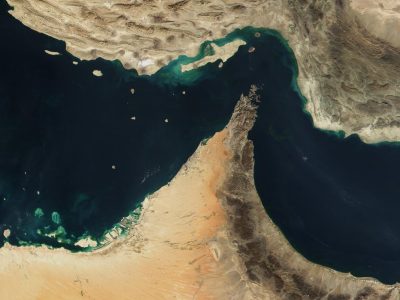
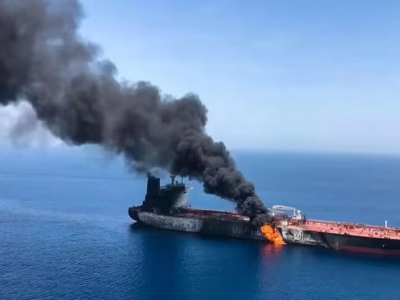
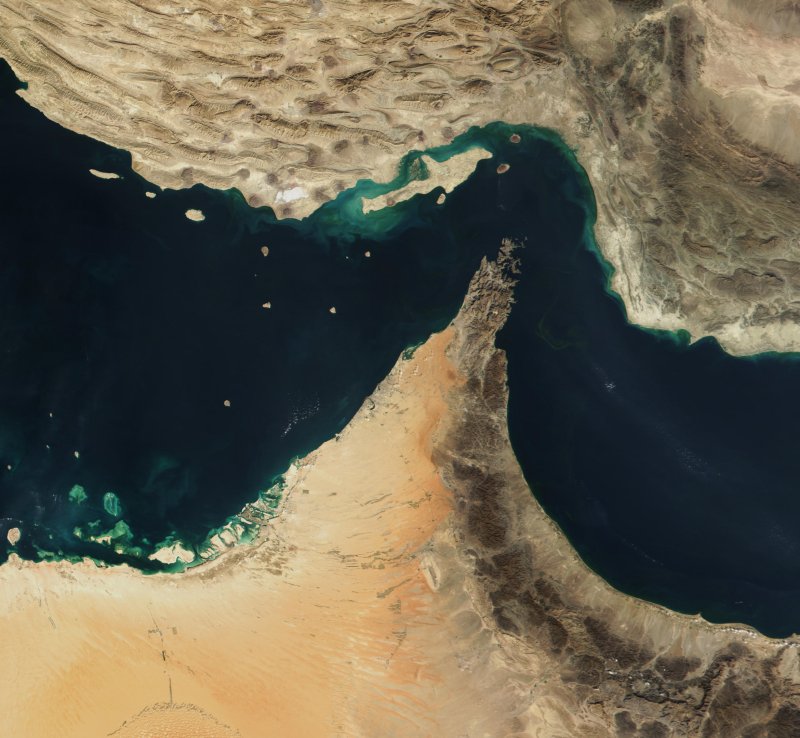
Over the past week, disruptions in the Hormuz corridor have rippled through tanker markets and freight pricing. Reuters reported that growing risk aversion has forced vessels to circle or delay transit through the strait, prompting spikes in charter rates and war-risk insurance premia that have migrated from Gulf routes into global shipping benchmarks.
For Libya, this shift is more than a headline, it highlights an advantage long obscured by the overwhelming centrality of Middle East barrels in global crude trade.
Proximity That Reduces Both Distance and Risk
Libya’s oil infrastructure sits directly on the Mediterranean, placing its export terminals at a geographical advantage that no emerging disruption can erase. European refiners account for a substantial share of global crude processing capacity. For years, Gulf scale justified longer voyages. Today, maritime risk prices into every cargo, and proximity turns into competitiveness.
Bloomberg noted this week that “tanker movements through Hormuz have all but halted,” a description rarely applied outside extreme weather events. Risk aversion delays cargoes and lifts costs per tonne, pushing delivered prices around even when Free on Board values hold steady.
For European buyers, Libyan crude’s Mediterranean origin slices through these added costs: a shorter voyage means lower charter costs, lower war-risk layers, and faster velocity from terminal to refinery.
Modern oil economics treats freight and insurance as price signals that transmit through the barrel. When freight surges or risk premia spike, the calculus of delivered barrels shifts in real time.
Recent market notes describe the current environment as an economic closure. Shippers embed risk into voyage pricing, and owners demand higher compensation to enter contested corridors. That sets a higher competitiveness threshold for Gulf exports into Europe.
Libya’s logistical footprint sidesteps much of that calculus. Oil lifted from Ras Lanuf, Es Sider, or Zawiya avoids the danger zone entirely. That matters for three reasons:
- Lower unpriced risk – shorter routes reduce exposure time, which insurers and banks treat favorably.
- Faster turnaround – freight cost is often a function of trip length; shorter voyages bring vessels back into circulation more quickly, tightening availability.
- Predictable delivery – in a market pricing uncertainty, predictability offers value.
This is not speculative. When Libyan exports rebounded in late 2024, Mediterranean grades were among the first to tighten global balances, putting downward pressure on competing differentials in European markets.
That historical response reflects a structural reality: European buyers already understand how to absorb Mediterranean barrels efficiently. Infrastructure, regulatory environments, and longstanding commercial relationships make Libya a natural counter-weight when traditional supply lines are mispriced or constrained.
Why This Matters for Libya’s Economic Position
Libya’s logistical advantage rests on geography and on export regime that, when stable, delivers quality crude from ports tightly connected to Europe’s demand centers.
Geopolitical risk arrives in bursts, while freight often stays elevated across a cycle. Producers with shorter, less exposed corridors capture an embedded pricing advantage. Libya’s Mediterranean position turns that advantage into delivered cost savings when disruption drives defensive shipping behavior.
Rather than merely absorbing higher global prices, Libyan exports can be marketed as lower-risk, lower-delivered-cost barrels at a time when the market increasingly values certainty.
The market is reminding all players of a simple truth: oil markets are not just about production. They are about movement. Libya may be far from the Gulf, but right now, that distance is a source of strength. This proximity to Europe is not a short-term arbitrage. It is a structural asset.