Libya’s next gas test is not discovery, but delivery
Following Eni’s confirmation of more than 1 trillion cubic feet in new offshore gas discoveries near Bahr Essalam, attention is shifting from the size of the find to the infrastructure needed to bring it to market.
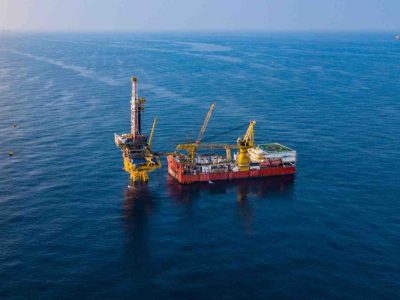
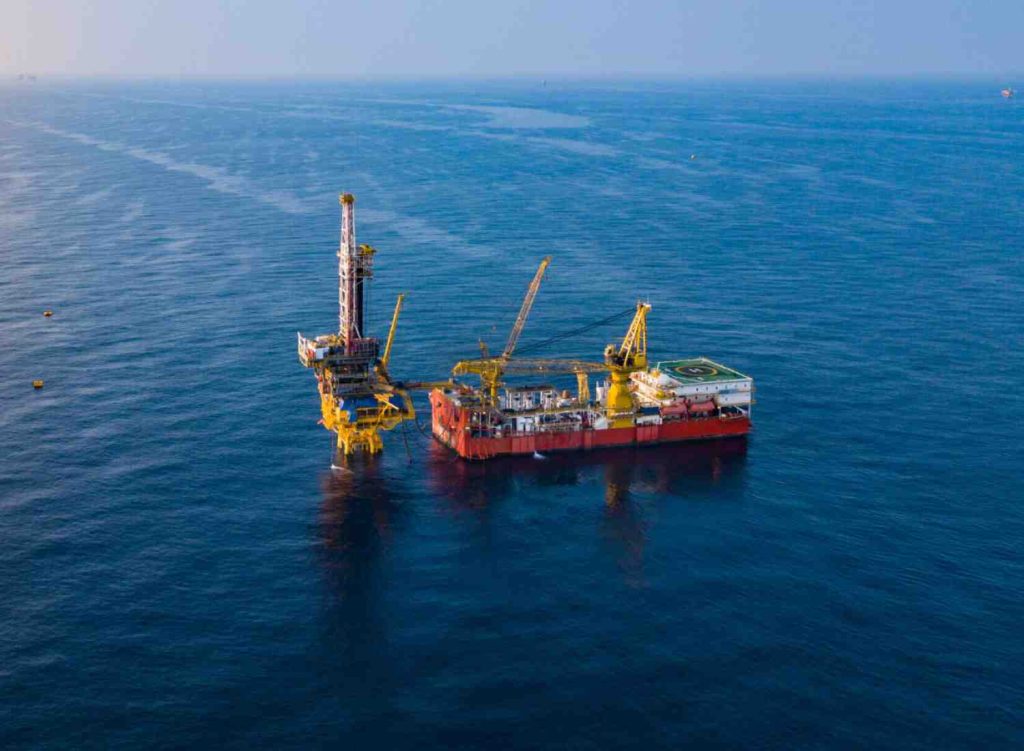
Eni’s announcement this week of two new offshore gas discoveries in Libya should be read as more than a geological success. The Italian energy group said Bahr Essalam South 2 and Bahr Essalam South 3 together hold more than 1 trillion cubic feet of gas in place, around 85 kilometres offshore and 16 kilometres south of the Bahr Essalam field. More importantly, Eni said their proximity to existing offshore facilities could allow rapid development through tie backs to infrastructure already in place. Libya’s National Oil Corporation expects the discoveries to contribute around 130 million cubic feet per day, with gas destined for both the domestic market and exports to Italy.
Libya has no shortage of energy headlines built around reserves, discoveries, and potential. What it has often lacked is the infrastructure that turns those discoveries into dependable economic value. In that sense, the BESS 2 and BESS 3 finds matter less because they add another impressive number to Libya’s gas resource base, and more because they sit close enough to established infrastructure to reduce the long delay that often separates discovery from delivery.
This distinction matters for an economy like Libya’s. In Libya, gas matters not just for what it can earn abroad, but for how it supports electricity, industry, and public finances at home. When gas supply is insufficient or unstable, Libya pays the cost several times over. It weakens electricity generation, increases reliance on more valuable liquids for domestic power use, raises inefficiencies across the wider energy system, and narrows the room to think seriously about exports. Infrastructure is what connects all of those pieces. Without processing capacity, transport links, and tie backs that can move gas from offshore finds into the domestic and export network, reserves remain a strategic promise rather than an economic asset.
That is why Eni’s emphasis on proximity should not be treated as a technical footnote. In a normal exploration story, the headline is the volume. In Libya’s case, the more important fact may be the route to market. The discoveries were made in the Metlaoui Formation, the main productive reservoir in that part of the Mediterranean, and Eni said well tests have already confirmed a high quality reservoir. But what lifts the commercial significance of the announcement is that the discoveries sit near the Bahr Essalam field, Libya’s largest offshore gas field, which has been in operation since 2005. That creates the possibility of a shorter and cheaper path to monetisation than a stand alone project would require.
For Libya, faster monetisation is not just a corporate advantage for Eni. It could carry wider economic consequences. Reuters reported in February that Libya wants to raise gas production over the next five years and increase exports to Europe by the early 2030s. That ambition is often presented through the lens of geopolitics, especially in a Europe still looking for nearby, non Russian, non Hormuz exposed energy options. But the domestic side of the story may be even more important. Additional gas can strengthen supply to the local market, ease shortages, and support a more efficient use of hydrocarbons at home before it ever becomes a larger export narrative.
This is what makes the new discoveries different from the usual rhetoric of untapped potential. Libya does not necessarily need every new gas find to be spectacular in scale. It needs more of them to be commercially connectable. The economics of energy development are shaped not only by what lies underground, but by what already exists above it. A one trillion cubic foot discovery in a remote setting with no easy route to market can take years to translate into revenue. A smaller or similarly sized discovery near active facilities, pipelines, and offshore processing assets can matter more in practice because it lowers the cost and time of development.
That is an especially relevant lesson now. Libya has been trying to position itself as a more credible gas supplier in the Mediterranean basin while also managing its own internal energy needs. Eni said it produced around 162,000 barrels of oil equivalent per day in Libya in 2025 and has three development projects under execution, two of which are expected to start up in 2026. This underlines a broader point: Libya’s gas future is not being built from scratch. It is being layered onto an existing offshore and export architecture that, if managed properly, can become more valuable as Europe places a higher premium on nearby supply and route diversity.
Still, discovery alone does not solve Libya’s infrastructure problem. Tie back potential is encouraging, but infrastructure is not just offshore platforms and subsea links. It also means the broader system that receives, transports, processes, and allocates gas. Libya’s challenge has long been that energy projects are often discussed in isolation, as if a new field automatically improves the market. A successful upstream discovery still depends on whether the downstream network can absorb it efficiently, whether domestic distribution is stable, and whether the state can maintain the policy coherence needed to support development rather than slow it.
That is why the BESS announcement should be seen as a test of execution as much as a discovery event. The encouraging part is that the geography appears unusually favorable. The cautionary part is that Libya has often struggled not with identifying opportunity, but with converting it into regular, usable supply. If these discoveries are developed quickly and integrated effectively, they could become an example of how Libya’s gas sector generates value through infrastructure logic rather than through reserve boasting alone.
Eni has found more gas, and that matters. But the larger economic takeaway is that Libya’s next energy chapter will depend less on how many molecules are discovered than on how efficiently they are delivered. In the coming years, the country’s gas future will be shaped not only by what is beneath the seabed, but by whether Libya can build, maintain, and use the infrastructure that turns offshore promise into domestic reliability and export relevance.