Libya’s next economic shock may not come from oil exports. It may come from the goods that enter the country.
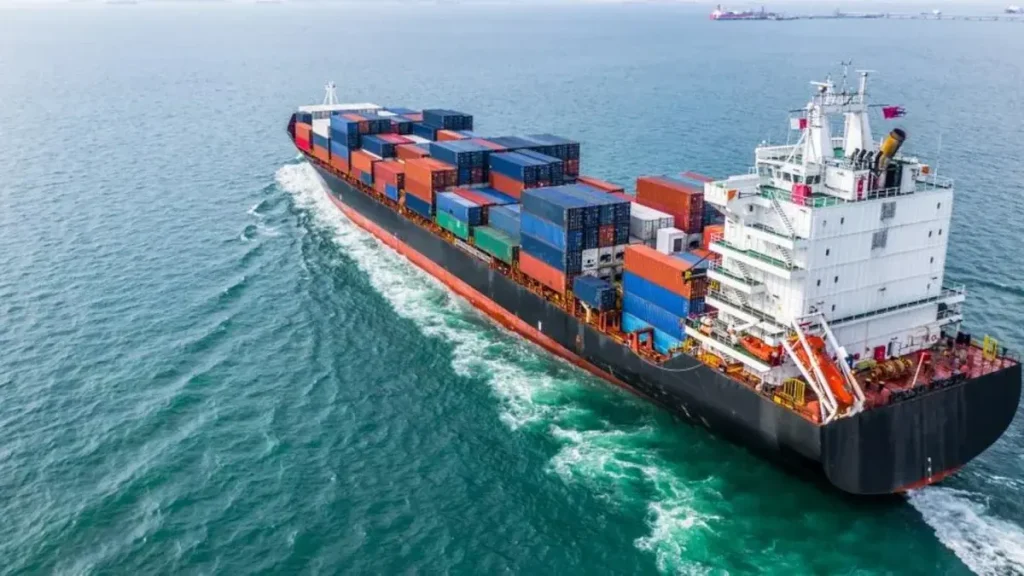
That risk now looks more serious. Shipping costs to Libya have risen sharply in recent weeks as war risk, insurance premiums, fuel costs, and route disruption hit trade flows across the wider region. Arabic reporting by Libya Al Ahrar said freight rates for 40 foot containers from China to Libya rose to between $7,800 and $8,300 in early March, up from about $5,050 at the end of last year. The same report said shipping from Asia to the Mediterranean had risen by more than 150 percent, while a wider war could force more vessels to avoid Bab el Mandeb and the Suez Canal and sail around the Cape of Good Hope instead. That detour would add 10 to 15 days to the voyage and lift operating costs by about 30 percent.
This matters for Libya because the country imports a large share of what it consumes. Food sits at the center of that picture. The FAO says Libya’s cereal import requirement for the 2025 to 2026 marketing year will likely reach 3.2 million tonnes, with wheat imports alone at 1.5 million tonnes. The FAO also notes that Libya’s capacity to import depends heavily on foreign currency earned from oil exports.
That makes Libya unusually exposed to imported inflation. When freight costs jump, local prices do not stay still for long. Importers pay more to move goods. Wholesalers pass on part of that cost. Retailers then push it into final prices. Households feel the result first in food, basic goods, and everyday consumption.
The shipping story now sits inside a larger regional disruption. Reuters reported on March 25 that the war in the Gulf had brought shipping in the Gulf to a near standstill after the closure of the Strait of Hormuz. Maersk temporarily suspended cargo bookings to many Gulf ports and imposed emergency bunker fuel surcharges worldwide. Hapag Lloyd said the crisis was adding $40 million to $50 million a week in extra costs through higher fuel bills, insurance premiums, and storage charges. Even if Libya does not rely on the Gulf in the same way as Gulf economies do, it still trades through a shipping market that now prices in conflict, delay, and uncertainty.
The risk grows because Libya already entered 2026 with currency pressure. In January, the Central Bank of Libya devalued the dinar by 14.7 percent, setting the exchange rate at 6.3759 dinars to the dollar. Reuters said that was the second devaluation in less than a year. The bank blamed political division, lower oil revenues, the lack of a unified budget, and rising public spending. A weaker dinar raises the local currency cost of imported goods even before shipping companies add new charges.
That is why the current freight spike matters more than a normal logistics story. Libya does not face one price shock. It faces several at once.
First, importers now pay more for transport. Second, they buy goods with a weaker dinar. Third, the wider war has already pushed up energy prices across global markets. Reuters reported on March 25 that food imports into the region had become a pressing issue as conflict disrupted logistics. On March 29, Reuters also reported that Brent had surged toward a record monthly gain as the Gulf conflict widened. Those moves do not stay at the port. They filter through supply chains, freight invoices, and final shelf prices.
Libya’s recent policy debate shows that officials already understand how fragile the picture has become. In February, Libya Al Ahrar reported that government officials and the central bank discussed benchmark prices for imported food goods in an effort to limit inflation and curb speculation. Around the same time, Libyan political voices pushed back against any new taxes on imports, warning that extra burdens on imported goods would raise prices further for consumers. Those concerns now look even more urgent as shipping costs climb.
The danger for Libya is clear. Oil can still support the balance of payments, but oil income does not shield households from a freight driven cost of living squeeze. In fact, the opposite can happen. Libya may export more crude and still import inflation if shipping routes become slower, longer, and more expensive. That is especially true in a country where domestic production remains too weak to replace imported food, equipment, and consumer goods at scale. The World Bank said in December that Libya’s 2025 growth rebound came mainly from oil, while non oil growth remained far smaller and structural weaknesses still weighed on the economy.
This is where the real policy question begins. Libya cannot control war risk in the Red Sea or the Gulf. But it can reduce how sharply global freight shocks hit the local market. It can improve port efficiency, shorten customs delays, protect foreign exchange access for essential imports, and avoid tax or regulatory moves that amplify pass through into consumer prices. It can also push harder on storage, logistics planning, and food supply oversight before shortages and price spikes start feeding off one another. Those steps will not remove the shock, but they can soften it.
For now, the warning signs have already appeared. Freight costs have jumped. Shipping routes face new strain. The dinar has weakened. Libya still depends heavily on imports. Taken together, those facts point to the same conclusion.
The next threat to Libya’s economy may arrive in containers, not tankers.