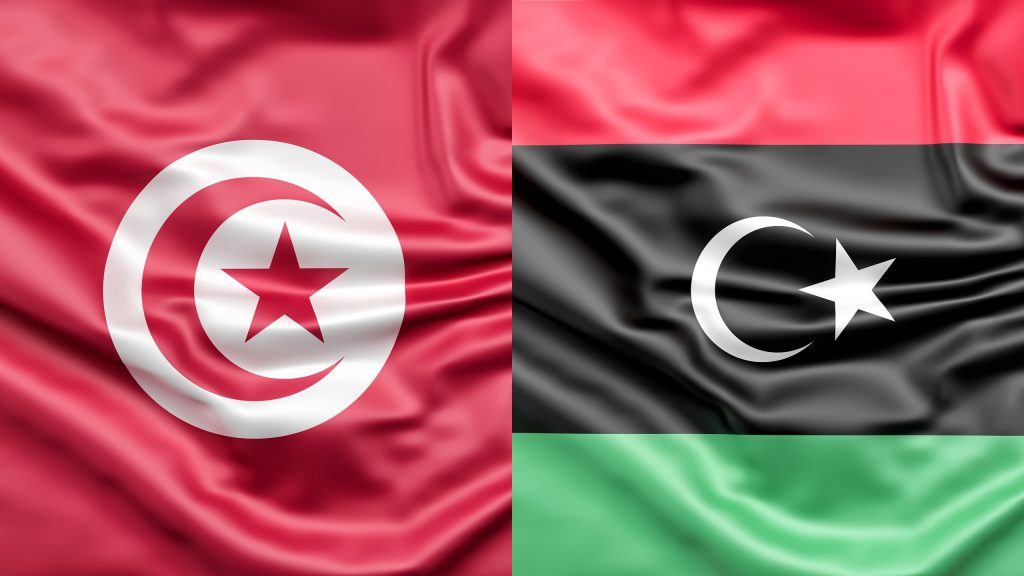
Tunisia has moved forward with plans to develop a trans-African land corridor in coordination with Libya, aiming to connect North Africa with key markets across the Sahel and deepen regional trade integration.
The project, often referred to as the “Africa Gateway,” will extend from Tunisia’s logistics zone in Ben Guerdane, pass through the Ras Jedir border crossing, and continue across Libyan territory toward countries including Niger, Chad, Mali, Burkina Faso, and the Central African Republic.
Authorities have outlined a multi-year implementation timeline. Infrastructure and logistics development will run between 2025 and 2028, with full operational capacity expected by 2029.
The corridor reflects a broader strategic shift in Tunisia’s economic positioning. Tunis aims to establish itself as a gateway between the Mediterranean and sub-Saharan Africa, using overland routes to access landlocked markets that remain underserved by existing trade infrastructure.
The initiative also highlights Libya’s geographic role in regional logistics. Any overland connection from North Africa into the Sahel must pass through Libyan territory, making coordination with Libyan authorities central to the project’s viability.
Officials have emphasized the economic rationale behind the corridor. The route aims to reduce transport costs, shorten delivery times, and address logistical bottlenecks that have long constrained trade between North Africa and the Sahel.
Current trade flows between Tunisia and sub-Saharan markets remain limited relative to potential demand. Tunisian authorities have already expanded exports under the African Continental Free Trade Area framework, but volumes remain modest. The corridor seeks to formalize and scale those flows by providing a structured transport route.
The Sahel region presents a significant growth opportunity. Countries such as Niger, Mali, and Burkina Faso face structural constraints linked to their landlocked position and reliance on distant coastal ports. A direct overland link to the Mediterranean could reduce dependence on West African maritime routes and improve access to international markets.
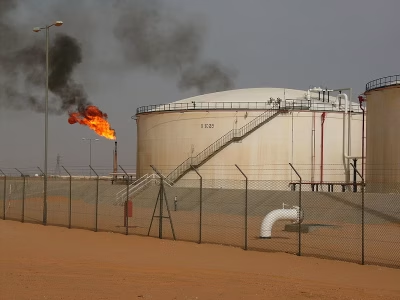
For Libya, the corridor introduces a different dimension to its role in regional trade. The country has traditionally focused on energy exports, particularly crude oil, rather than transit infrastructure. The proposed route positions Libya as a logistical bridge between North Africa and the Sahel, potentially expanding its economic function beyond hydrocarbons.
This shift aligns with broader continental initiatives. The trans-African corridor concept fits within the wider network of infrastructure projects designed to improve connectivity across Africa and support trade integration. These efforts aim to link fragmented regional markets through road corridors that can facilitate the movement of goods across long distances.
At the same time, the project depends on operational conditions along the route. The Tunisia–Libya border, which stretches over 460 kilometers, has experienced periodic disruptions linked to security and political developments. Stable cross-border coordination will remain essential for the corridor’s success.
Infrastructure readiness also plays a role. Tunisia has continued to expand its road network toward the Libyan border, including extensions of major highways designed to integrate into regional transport corridors. On the Libyan side, existing road links form part of larger trans-African routes, though gaps and maintenance challenges persist in southern areas.
The corridor’s development timeline suggests a phased approach. Initial efforts will likely focus on logistics zones, border facilitation, and upgrades to existing road infrastructure before extending deeper into trans-Saharan routes.
Regional dynamics add further context. Sahel countries have increasingly sought to diversify trade routes amid shifting political and economic alignments. A corridor linking directly to North Africa offers an alternative to traditional westward routes and may align with broader efforts to restructure regional trade patterns.
The initiative also reflects competition among North African states to position themselves within continental trade networks. By anchoring the corridor at Ras Jedir and linking it to inland routes, Tunisia aims to capture transit flows and expand its role in African supply chains.
Despite its strategic potential, the project faces structural constraints. Security conditions in parts of Libya and the Sahel remain uneven. Infrastructure gaps across trans-Saharan segments continue to limit seamless connectivity. Financing and coordination across multiple jurisdictions will also influence implementation.
Still, the corridor highlights a shift in regional thinking. Rather than relying solely on maritime trade, North African countries are increasingly exploring overland routes that connect directly to inland African markets.
For Libya, participation in the corridor could reinforce its position as a regional transit hub, provided that operational stability improves. For Tunisia, the project represents an attempt to reposition its economy within a broader continental framework.
The corridor therefore serves both logistical and strategic objectives. It seeks to facilitate trade flows, reduce costs, and strengthen economic links across regions that remain only partially connected.
If implementation proceeds as planned, the Tunisia–Libya corridor could become a key component of emerging trans-African trade routes, linking Mediterranean markets with the Sahel and reshaping regional supply chains over the coming decade.