Turkey-Egypt Cooperation Could Transform Libya from a Conflict Zone into a Basin of Prosperity
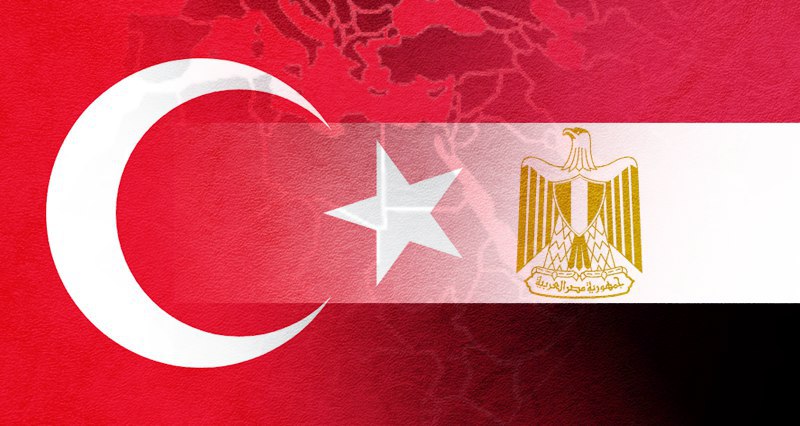
The rift between Turkey and Egypt in the post-Arab Spring era did not merely weaken diplomatic ties. It fundamentally altered the balance of power in the Eastern Mediterranean and North Africa. The tension pushed both countries into opposing camps, particularly in Libya, where regional competition intensified for years.
However, the normalization process that began in 2021 and accelerated in 2023 marked more than a diplomatic thaw between Ankara and Cairo. It signaled a strategic shift with the potential to reshape the regional order. In Libya, this new phase has opened the door to a broader architecture of cooperation centered on energy, reconstruction, and economic coordination.
Today, Turkey and Egypt increasingly share common positions on Libya’s territorial integrity, the need for a political solution, and the importance of holding elections. This convergence suggests that direct rivalry on the ground is gradually giving way to coordination and balance. The change is not only diplomatic; it also reflects a broader redefinition of how both countries project influence in Libya.
Libya’s vast energy reserves, estimated at around 48 billion barrels of oil and 52 trillion cubic feet of natural gas—make the country a central actor in the regional energy equation. Despite years of instability and conflict, Libya remains one of the most strategically important energy producers in North Africa. This reality now forms one of the key intersection points in Turkish-Egyptian relations.
Turkey’s policies in Libya, particularly those linked to maritime jurisdiction agreements and energy exploration, are also evolving. Alongside the normalization process with Egypt, Ankara appears to be moving toward a more balanced and multilateral approach. Increasingly, the question is no longer simply “who gains influence in Libya?” but “how can both sides benefit from stability and cooperation?”
Since 2024, high-level diplomatic contacts, defense-related messaging, and joint military exercises have helped create a new atmosphere of trust between the two countries. This emerging climate of cooperation could provide one of the few realistic opportunities to reduce Libya’s long-standing east-west divide.
Pipelines, LNG supply chains, and offshore exploration projects are no longer viewed solely through the lens of competition. They are becoming areas where coordination is increasingly necessary. If sustained, this shift could help move Libya away from being a theater of conflict and toward becoming a platform for reconstruction and mutual economic interest.
The normalization between Turkey and Egypt may ultimately replace the long-standing “zero-sum” approach in Libya with a more pragmatic model based on shared gains. In the past, rivalry between the two actors threatened the sustainability and security of projects across the country. Today, rapprochement offers the possibility of transforming those risks into strategic opportunities.
More than 50 high-level meetings and newly established strategic cooperation mechanisms over the past 16 months indicate that this process is not a temporary diplomatic maneuver. Instead, it increasingly appears to be evolving into a more institutionalized regional framework.
The Advantages of Turkey and Egypt
Turkey is increasingly using the influence it developed through its military and political presence in western Libya as an economic lever. Turkish companies, which completed tens of billions of dollars worth of construction and infrastructure projects during the Gaddafi era, remain well-positioned to respond quickly to Libya’s urgent reconstruction needs.
Areas such as power generation, hospitals, roads, and public infrastructure continue to offer major opportunities for Turkish firms. Ankara’s military presence and recently acquired energy concessions in Libya further strengthen its position.
Egypt’s advantages are different but equally significant. The country shares a 1,115-kilometer border with Libya and maintains deep historical, tribal, and social ties with its neighbor. Egypt also represents Libya’s nearest and largest labor market.
The transportation of construction materials such as cement, iron, and marble by land gives Egypt a major logistical advantage while significantly reducing costs for reconstruction projects.
One of the first major areas of cooperation between Turkey and Egypt could emerge around the Libya National Oil Corporation’s goal of increasing oil production to two million barrels per day by 2027. In 2023, the NOC announced plans to allocate between $12 billion and $15 billion to support this objective and modernize related infrastructure.
Gas Projects and LNG Integration
Libya’s large natural gas reserves create another major opportunity for Turkish-Egyptian cooperation.
Egypt already possesses some of the region’s most important LNG infrastructure through its export facilities in Idku and Damietta, making Cairo a leading regional gas processing hub. Turkey, meanwhile, has developed growing expertise in energy transportation, terminals, and regional energy connectivity.
Together, the two countries could help position Libya as a larger supplier of energy to international markets, particularly Europe.
In February, Turkey secured gas exploration and operating rights in two important fields during Libya’s first major international energy tender in 17 years. One potential scenario involves processing Libyan gas through Egyptian LNG facilities before exporting it to global markets.
Libya Will Be Reconstructed
Libya’s reconstruction needs remain enormous. Nearly 70 percent of the country’s infrastructure requires maintenance or modernization, while authorities are also planning large-scale “future city” projects.
Over the next decade, Libya is expected to spend more than $100 billion on reconstruction and infrastructure development. Planned projects include the modernization of the ports of Misrata and Benghazi, major housing developments, new road networks, and expanded electricity infrastructure.
In this context, Turkish construction expertise could be combined with Egypt’s labor force and construction material capacity through joint consortia and investment partnerships.
Energy cooperation could also expand beyond oil and gas. This opens the possibility of creating a broader “Regional Energy Ring” linking eastern and western Libya through natural gas combined-cycle power plants and cross-border electricity infrastructure connected to Egypt’s grid.
Another possible area of cooperation is defense and maritime security. Turkey’s UAV and armored vehicle technologies could potentially complement Egypt’s large-scale ammunition production capacity in efforts to modernize Libya’s fragmented military institutions and coast guard capabilities.
Other Areas of Cooperation
Digital Transformation
Libya’s banking system, public databases, and communications infrastructure remain severely fragmented after years of instability. Rebuilding digital governance systems, cybersecurity infrastructure, and e-government platforms could become another important field of cooperation.
Turkey’s growing experience in software and digital infrastructure, combined with Egypt’s regional telecommunications capabilities, could support the creation of a national digital network capable of reconnecting Libya’s divided institutions.
Agricultural Potential
Although much of Libya consists of desert terrain, underground water resources linked to the Great Man-Made River Project continue to provide agricultural potential.
At a time of growing global food insecurity, a partnership combining Turkish engineering capacity with Egyptian agricultural experience could help revive agricultural production in southern Libya. Such cooperation could eventually transform Libya into a logistical bridge between Sub-Saharan Africa and Mediterranean markets.
Solar Energy and Green Hydrogen
Libya also possesses some of the world’s strongest solar energy potential.
This creates opportunities to combine Turkey’s solar panel manufacturing capabilities with Egypt’s expanding investments in green hydrogen and renewable energy infrastructure. Joint renewable projects could help diversify Libya’s economy while supporting regional energy integration.
Health Sector Cooperation
Healthcare remains another sector with strong potential for collaboration.
Many Libyans continue to travel abroad for treatment, particularly to neighboring countries. Rather than competing for Libyan patients, Turkey and Egypt could pursue joint healthcare projects inside Libya itself.
Jointly operated hospitals, medical training centers, and university partnerships could help reduce pressure on Libya’s fragile health system while strengthening long-term institutional capacity.
Conclusion
The normalization process between Turkey and Egypt has the potential to reshape Libya’s future in ways that extend beyond diplomacy alone. Energy cooperation, infrastructure investment, reconstruction projects, and regional connectivity increasingly offer incentives for coordination rather than confrontation.
Whether this emerging relationship becomes sustainable will depend on the ability of both countries to institutionalize cooperation and avoid returning to zero-sum competition. If successful, Libya could gradually shift from being a fragmented conflict zone into a shared corridor of economic integration linking North Africa, the Mediterranean, and Europe.
The ideas and concepts expressed in this piece are those of the author and do not necessarily reflect the positions of Libya Economic Review. If you would like to contribute to LER, contact us at younis@libyaeconomicreview.com.