Waha Oil Corruption Investigation Deepens as Libyan Prosecutors Detain Senior Executives
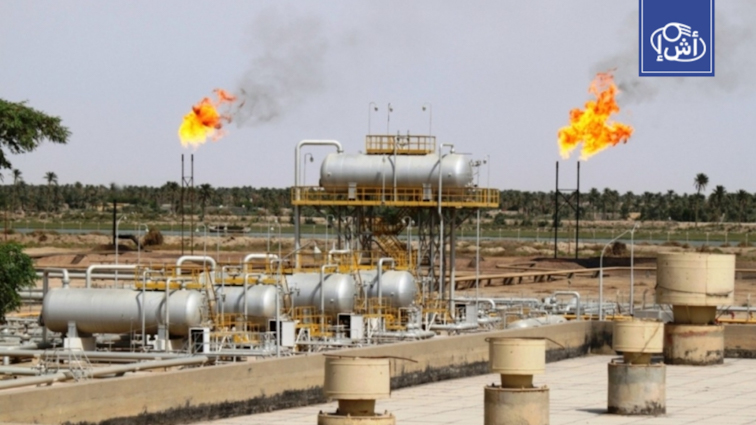
Libya’s Public Prosecution has ordered the detention of two senior Waha Oil Company executives amid allegations of overspending millions of dollars of state funds. The officials, the company’s finance director and the head of its Price Evaluation Committee, were taken into custody pending investigation. Waha Oil is one of the country’s largest oil producers, a National Oil Corporation (NOC) subsidiary run jointly with TotalEnergies and ConocoPhillips, with output capacity around 300,000 barrels per day. In recent years, the company has been at the center of both foreign investment efforts and high-profile management scandals.
In recent months, prosecutors have cracked down on suspected corruption in Libya’s energy sector. Earlier this year, for example, the chairman of Waha’s board was arrested on charges of graft involving costly contracts. Investigators cited a seawall project at Es Sider port that was contracted at 769 million dinars, more than twice a rival bid. They also reported that $140 million was paid to a company working on the Dhahra oilfield (a firm created in 2022 with no proven track record) and another $100 million to an oil-well drilling contract that produced almost no results. The Attorney General’s statement on that case spoke of “millions of dollars in allegedly fraudulent contracts” at Waha Oil.
International Outreach and Reform Agenda
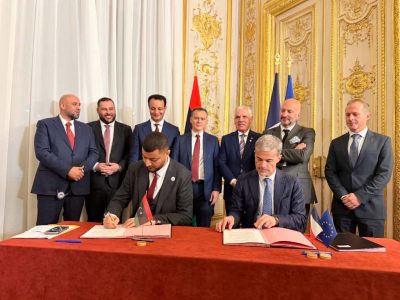
The arrests coincide with a major diplomatic outreach. Just days earlier, Libya’s interim unity government sent a high-level delegation to Washington, D.C., meeting U.S. officials, bankers and institutions. Finance Minister Khaled al-Mabrouk said the trip “reflects the enduring importance of Libyan-American relations,” and pledged to implement reforms that would create an “attractive investment environment” for energy and development. Libyan officials say they intend to move from diagnostics to execution on projects with partners like the World Bank, aiming to boost services and growth through clear reforms and guarantees.
This convergence of events highlights a central tension in Libya’s recovery. Prosecuting oil-sector mismanagement can signal a serious commitment to accountability, sending the message to investors that no one is above the law. At the same time, recurrent scandals and detentions remind all sides that the country’s institutions remain fragile. Libya’s economy is overwhelmingly dependent on oil revenues, and each new corruption revelation risks undermining the confidence of foreign partners who have been urged to invest under the banner of reform.
The emerging dynamic has placed Libya’s interim authorities in a delicate position as they attempt to demonstrate seriousness about tackling graft while also preserving the operational continuity of one of their most vital industries. Oil revenues account for nearly all government income, and any disruption – whether through leadership shake-ups, halted projects, or investor hesitation – has outsized consequences. It is worth noting that although the Public Prosecution’s actions appear to reflect genuine institutional assertiveness, they also expose the absence of long-term safeguards such as stronger procurement systems, independent audits, and modernized regulatory frameworks. Without these structural barriers to misuse of funds, Libya risks entering a repetitive cycle: scandals erupt, officials are removed or arrested, and then business continues largely unchanged. Some experts warn that the country must move beyond reactive cleanups and toward proactive prevention, otherwise the cumulative effect of recurring irregularities could deter major international partners from committing long-term capital to Libya’s energy infrastructure.
The political backdrop complicates matters further. Libya remains divided between rival centers of authority, each vying for legitimacy and control over state revenues, including those within the NOC and its subsidiaries. This tumultuous environment makes decision-making slow and vulnerable to competing interests, which in turn creates opportunities for opaque contracting and budgetary excesses. International actors – from the United States to European energy companies – have repeatedly stressed that meaningful reform requires not only anti-corruption enforcement but also broader political stabilization. In this sense, the detentions at Waha Oil serve as both a warning sign and a potential opportunity: a warning that entrenched practices continue to carry significant risk, and an opportunity for Libya’s institutions to demonstrate maturity through due process and transparent communication. Whether the government can convert this moment into sustained institutional strengthening will be a key test of Libya’s reform trajectory in the months ahead.
For now, Libya’s leaders are framing reform as an internal necessity as well as an international commitment. A series of high-level investigations (from oil companies to schools and banks) is part of a broader anti-corruption drive. If these measures are pursued evenly and transparently, they could strengthen Libya’s economic institutions and reassure investors. But any appearance of selective targeting or political meddling could reinforce skepticism. Ultimately, as Libya balances foreign engagement with internal cleanup, the government’s ability to maintain stability and fulfill its promises will be closely watched by both Libyans and outside backers alike.