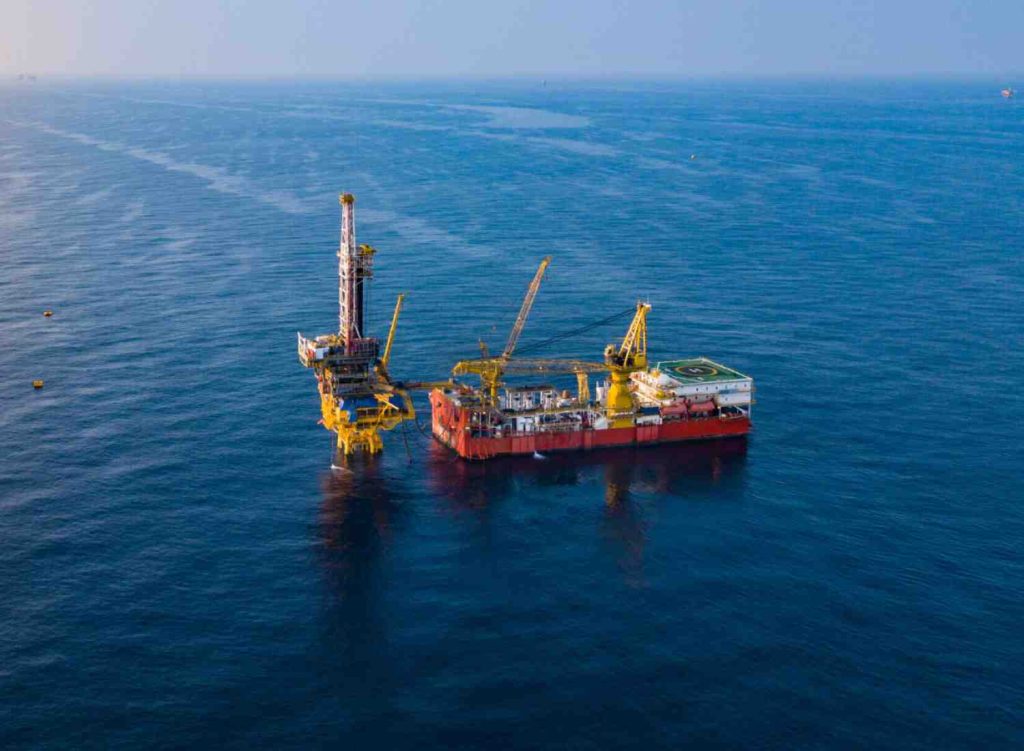
Oil remains the backbone of Libya’s economy. However, this reality has overshadowed another long-term economic asset with enormous potential: the maritime economy. With nearly 2,000 kilometers of Mediterranean coastline, Libya has one of Africa’s longest coastlines and occupies a strategic position between Europe and Africa. Despite these advantages, Libya still treats the sea more as a geographical boundary than as an economic driver capable of diversifying national income.
Since the discovery of oil, successive governments have relied heavily on hydrocarbon revenues to finance public spending. As a result, maritime sectors such as ports, shipping, fisheries, logistics, and marine industries have received limited attention and investment. Without meaningful reforms, these sectors have remained underdeveloped and contribute only modestly to the national economy. The maritime economy therefore represents an opportunity that Libya has yet to fully embrace.
Today, the maritime economy extends far beyond fishing. It includes maritime transport, port management, logistics, shipbuilding and maintenance, aquaculture, coastal tourism, marine energy, and international trade. Around the world, many countries have transformed these industries into major engines of economic growth, reducing their dependence on traditional natural resources.
Libya’s Strategic Maritime Advantage
Libya’s greatest advantage lies in its location. Sitting at the heart of the Mediterranean, the country faces European markets while providing a natural gateway for the Sahel and broader African continent. This strategic position gives Libya the potential to become a regional hub for trade, logistics, and cargo distribution as commercial activity across the Mediterranean continues to expand.
Realizing that potential will require overcoming several structural challenges. Port infrastructure remains outdated, equipment requires modernization, and Libya still lacks an integrated logistics network linking ports with highways, railways, industrial zones, and inland trade corridors. Bureaucratic procedures and an unpredictable investment environment also discourage international companies from establishing long-term operations in Libya’s maritime sector.
Port development should therefore form the foundation of any national maritime strategy. Modern ports no longer serve simply as locations where goods arrive and depart. They operate as integrated economic hubs that support free zones, warehousing, manufacturing, customs services, and regional distribution networks. Upgrading ports such as Tripoli, Misrata, Benghazi, and Tobruk to international standards could position Libya to capture a larger share of Mediterranean trade, particularly as congestion continues to affect several regional ports.
Building a Blue Economy Beyond Oil
The fisheries sector offers another significant opportunity. Libya’s territorial waters contain rich marine resources, yet current fish production falls well below its potential. Limited investment, aging infrastructure, and the absence of processing, packaging, and export industries have constrained growth. Expanding this sector would strengthen food security, create employment, and increase non-oil exports while supporting coastal communities.
Coastal tourism also deserves greater attention. Libya’s Mediterranean coastline features pristine beaches alongside internationally significant archaeological and historical sites. Political instability and security concerns have slowed tourism development in recent years, but improved stability could unlock investment in resorts, marinas, cruise facilities, and cultural tourism. These industries could generate substantial revenue while broadening Libya’s economic base.
Maritime industries and professional services represent another largely untapped area. Shipbuilding, vessel maintenance, marine insurance, port services, maritime finance, and specialist training all generate significant added value in successful maritime economies. Libya could establish service centers for vessels operating across the Mediterranean, taking advantage of its strategic location to support regional shipping.
Turning these opportunities into reality requires comprehensive institutional reform. Libya should modernize legislation governing maritime investment, simplify regulatory procedures, encourage greater private-sector participation, and develop a national maritime economy strategy that aligns with broader economic development goals. Expanding maritime education and vocational training will also prove essential for building the skilled workforce needed to manage ports and operate competitive maritime industries.
The maritime economy should also become a central pillar of Libya’s external economic policy. Stronger cooperation with Mediterranean partners and greater participation in regional blue economy initiatives would encourage investment, facilitate technology transfer, and expand access to international expertise.
Libya’s long-term economic future cannot depend solely on fluctuations in global oil markets. Throughout history, the Mediterranean served not as a barrier but as Libya’s gateway to commerce, investment, and cultural exchange. With the right political commitment, infrastructure investment, and economic planning, it can once again become a catalyst for national development.
Rediscovering the sea as a strategic economic asset may become one of Libya’s most important steps toward building a more diversified, resilient, and competitive economy. Sustainable growth depends on developing every comparative advantage a country possesses. Libya’s maritime potential stands alongside its energy wealth as one of its greatest untapped assets. The challenge now lies in transforming that potential into lasting economic development.