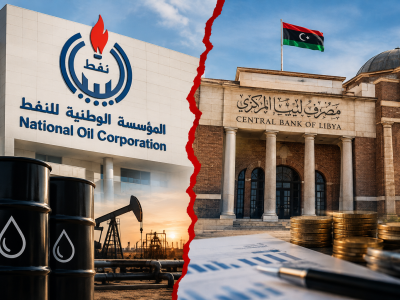
Libya is pushing Shell to move from technical studies into actual investment and development projects as the country seeks to increase oil and gas production.
Libya’s Minister of Oil and Gas, Khalifa Abdel Sadig, met Shell CEO Wael Sawan on the sidelines of the ONS 2026 conference in Norway. The talks focused on Shell’s work in Libya, the steps needed to move from technical studies to investment, and the company’s potential role in developing the country’s gas sector, according to the Libya Herald.
The minister also called for stronger cooperation with Shell and a broader return to the Libyan market, with a focus on turning existing cooperation into practical projects and investment.
From Studies to Projects
The talks follow a 2025 memorandum of understanding between Shell and Libya’s National Oil Corporation (NOC) covering cooperation in exploration and production. Shell has been assessing the development potential of several Libyan oil and gas fields as part of that work, with the company presenting the results of its technical study to the NOC earlier this year.
The latest meeting suggests Libya now wants to move beyond the assessment stage.
That matters because technical studies do not generate additional production or revenue on their own. Libya needs companies to commit capital, bring in technology and begin field development if it wants to turn its large resource base into higher output.
Shell has already been examining specific opportunities. In 2025, the NOC said Shell would assess hydrocarbon prospects and carry out a technical and economic feasibility study for the development of the Atshan field and other fields fully owned by the NOC. The company has also discussed opportunities to use its technology and expertise to increase production from mature Libyan fields.
Gas Opportunity
Gas is another important part of the relationship. The latest talks covered Shell’s potential involvement in developing Libya’s gas sector, including its experience in gas development, marketing and reducing gas flaring.
For Libya, developing more gas could have benefits beyond exports. Gas is already important to the domestic energy system, particularly for power generation, while supply problems and infrastructure constraints have affected the country’s ability to meet demand. The NOC has been calling for more investment in the gas industry, with its chairman Masoud Suleman saying in July that the corporation wants to develop new projects to secure supplies for the domestic market and export surplus gas. The NOC estimates Libya’s gas reserves at around 53 trillion cubic feet.
Reducing gas flaring could also allow Libya to recover gas that is currently wasted and put it to productive use. That could provide more fuel for power generation and industry while creating opportunities for future exports. This is becoming more important as Libya’s energy demand grows. The country needs more gas to support its electricity system, but it also wants to increase oil production. Better use of associated gas could help address both challenges.
For Shell, Libya offers access to a large resource base close to European energy markets. For Libya, an international company such as Shell can provide capital, technology and expertise needed to develop fields that may otherwise take longer to bring online. The challenge is now moving from interest to investment.
Libya has attracted renewed attention from international energy companies as the NOC seeks more capital and technical expertise to raise production. The country’s oil output has recovered sharply, while the government is also looking for investment in gas and wider energy infrastructure.
For Libya, the priority is to turn that interest into projects that increase production and generate more revenue. For Shell, the next step is whether the technical work completed under its existing cooperation with the NOC can support investment decisions that justify a broader return to the Libyan market. The latest meeting suggests Libya wants that decision to come sooner rather than later. The real test, however, will be whether Shell moves from studies and discussions to capital spending, field development and new production.