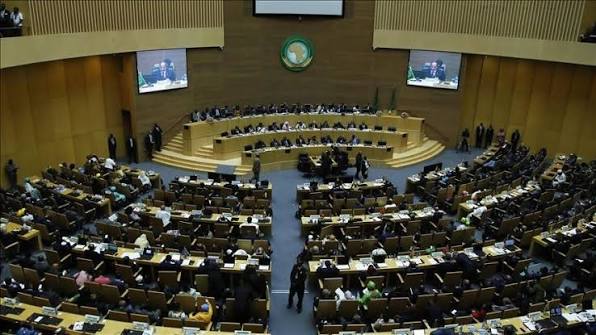
Libya is rebuilding its links with Africa as the African Union reopens its liaison office in Tripoli, giving the continental bloc a permanent presence in the country after years of operating its Libya office from Tunis.
Libya’s acting foreign minister, Taher Al-Baour, and African Union Commission Chairperson Mahmoud Ali Youssouf inaugurated the office on October 1. The visit also included the opening of a national office for the African Union Development Agency, AUDA-NEPAD.
The move gives Libya a more direct channel to the African Union at a time when Tripoli is seeking a stronger role in regional diplomacy and economic cooperation.
Why the African Union matters to Libya
The African Union is Africa’s main continental organization, bringing together 55 countries on issues including peace and security, trade, infrastructure, development and regional integration.
Libya has a long relationship with the organization. The African Union grew out of the Organization of African Unity, while the decision to establish the AU was made in Sirte in 1999. The bloc has also remained involved in Libya since the 2011 conflict. Its Libya mission has focused on supporting reconciliation, political dialogue and stability, while coordinating with the United Nations and other international partners.
The return of the liaison office to Tripoli therefore gives the AU a stronger base from which to engage with Libyan institutions and gives Libya a direct link to continental initiatives.
That could become increasingly important as Libya looks beyond its traditional relationships with Europe, Turkey and Arab states.
From diplomacy to trade and investment
The economic opportunity may be just as important as the political one.
Libya sits between the Mediterranean and sub-Saharan Africa, but its economic relationships with the rest of the continent remain limited compared with its potential. Deeper engagement with the AU could help Libya expand trade, infrastructure cooperation and investment links with African markets.
AUDA-NEPAD could play a role in that process by connecting Libya with continental development programmes and projects covering infrastructure, transport, energy and economic integration.
Migration and border security will also remain important areas of cooperation. Libya is a major transit point for migration towards Europe and hosts workers and migrants from across Africa. Closer coordination with African governments could give Tripoli more room to address migration, trafficking and cross-border crime through African channels rather than relying mainly on European partners.
The timing is notable. Libya is also preparing to host the Turkey-Africa Summit in December and is due to host an African Union Committee of Ten meeting on United Nations Security Council reform.
These developments suggest that Tripoli wants to become more active in African diplomacy.
For Libya, the challenge will be turning that diplomatic activity into practical economic gains. A stronger relationship with the African Union could help open new trade routes, attract investment and connect Libyan businesses to wider African markets.
The reopening of the AU office is only one step, but it gives Libya a stronger institutional link to a continent that has often received less attention in its post-2011 foreign and economic policy.