U.S. engineering and technology company KBR is expanding its presence in Libya as it explores renewable energy contracts while building a growing portfolio across the country’s oil, gas and refining sectors.
KBR representatives met Abdussalam Elansari, chairman of Libya’s Renewable Energy Authority, in September to discuss potential renewable energy projects, according to industry sources cited by Middle East Economic Digest. The talks come after KBR opened a local branch in Libya, giving the company a direct base from which to pursue new contracts.
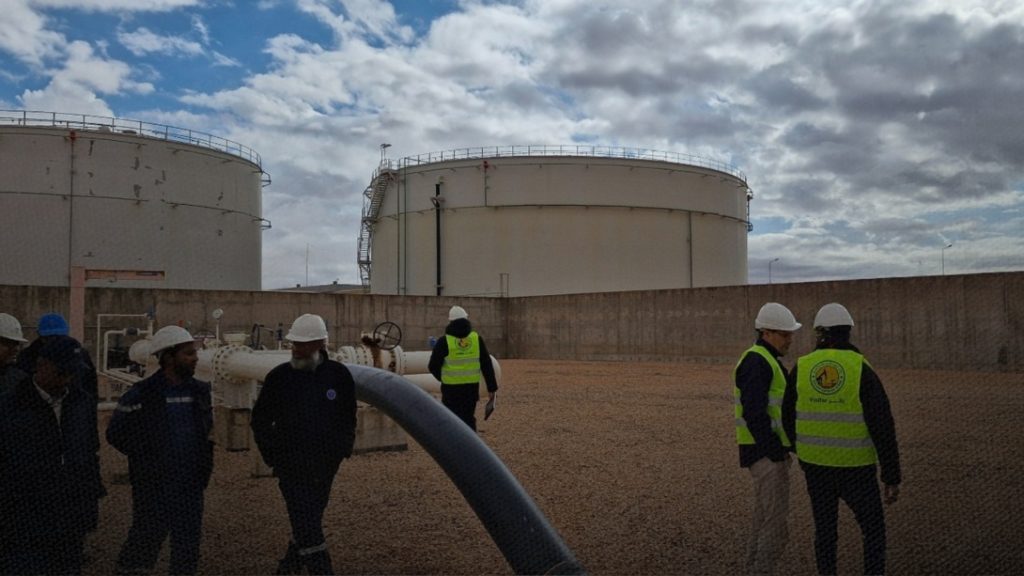
The company’s renewed push into Libya goes beyond renewable energy. KBR has already secured a major project management contract for the South Refinery Project in Ubari and is reassessing the engineering design for the J6 North Gialo oil field operated by Waha Oil Company.
KBR builds a wider position in Libya
KBR secured the South Refinery contract in March from Zallaf Exploration, Production and Refining of Oil and Gas Company. The agreement covers contract management, project management and technical support throughout the engineering, procurement and construction phases. KBR expects the work to run for 50 months.
The Ubari refinery represents an important downstream project for southern Libya. The facility aims to process around 30,000 barrels of crude oil per day and produce gasoline, diesel, kerosene, jet fuel, LPG and fuel for power generation. Its location near the Sharara oil field and the Ubari power plant could also connect crude supply, refined products and regional energy infrastructure.
KBR is also reassessing the front end engineering and design for the J6 North Gialo field, located north of Jalu and operated by Waha Oil Company. The project forms part of wider plans to increase production from the Waha concession, which includes Libya’s National Oil Corporation, TotalEnergies and ConocoPhillips.
The combination gives KBR exposure to different parts of Libya’s energy chain. It is working on upstream oil development, supporting downstream infrastructure and now looking for opportunities in renewable power.
That breadth matters because Libya needs investment across the energy system rather than only higher crude production. The country continues to rely heavily on oil exports for foreign currency and public revenue, while its electricity system needs additional generation capacity and more reliable infrastructure.
Renewables add another opportunity
KBR’s talks with the Renewable Energy Authority remain at an early stage. The company has not announced a specific renewable energy contract, investment value or construction timetable. The discussions focus on potential opportunities rather than an awarded project.
That distinction is important. KBR already has a signed contract for the South Refinery, while its work on J6 North Gialo has reached the engineering review stage. Renewable projects would still need further agreements, approvals and financing before construction could begin.
Libya’s solar potential makes renewable energy an increasingly relevant part of its long term power plans. The Renewable Energy Authority has been developing projects that include grid connected solar systems and installations for remote areas. For KBR, this creates an opportunity to apply its engineering and project management capabilities to a sector that remains relatively underdeveloped in Libya.
The move also fits with KBR’s longer history in the country. The company previously provided engineering services for major Libyan infrastructure projects when it operated under the Brown & Root name, including work connected to the Great Man Made River project. Political instability and security concerns later forced the company to close its local operations several times.
Its decision to establish a new local branch suggests a different approach. Rather than pursuing individual contracts from outside the country, KBR now has a permanent presence that can support relationships with Libyan state institutions and energy companies.
KBR’s return also comes as several international energy companies look to expand their involvement in Libya. The National Oil Corporation has been seeking higher production and new investment, while international firms have shown renewed interest in exploration, oilfield development and infrastructure.
For Libya, the immediate value of KBR’s expansion will depend on how many projects move from discussions and engineering studies into actual construction. The renewable energy talks are still only an opportunity, but the company’s growing involvement across oil, refining and potentially solar power gives it a broader role in Libya’s energy sector.
The next test will be whether that wider presence produces new contracts and completed projects. For KBR, Libya is becoming more than an upstream oil opportunity. It is a market where demand exists across the full energy chain, from producing crude and refining it to improving how the country generates electricity.