Toyota Libya has completed the sixth cohort of its “Discover Your Talent” program in bodywork and painting, continuing a long-running effort to develop technical skills among young Libyans.
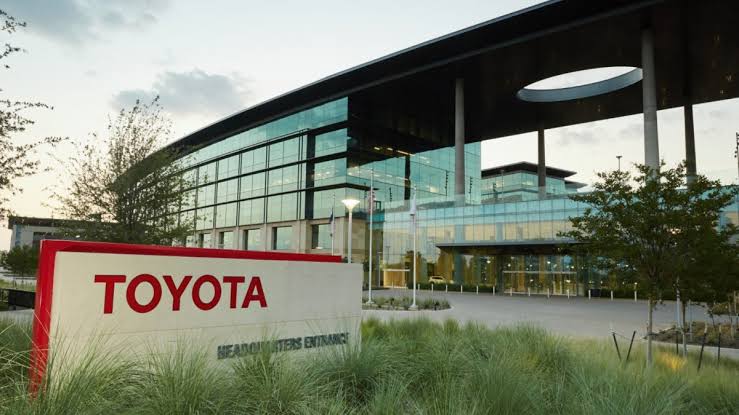
The latest group of eight trainees completed an eight-week course at Toyota Libya’s headquarters in the Misrata Free Zone. The program focused on the fundamentals of vehicle bodywork and painting, with training delivered by Toyota Japan-certified instructors at a facility equipped to Toyota standards.
Toyota Libya says the program aims to help young Libyans build practical skills, improve their employment prospects and prepare for the labor market. The completion of the latest cohort brings the total number of bodywork and painting cohorts under the program to six.
Building technical skills for Libya’s workforce
The training program highlights the role that private companies can play in addressing one of Libya’s long-standing economic challenges: the gap between available workers and the technical skills employers need.
Libya has a large young population, but many employers continue to face difficulties finding workers with practical and industry-specific skills. Vocational training can help narrow that gap by giving young people direct experience with equipment, technical processes and workplace standards.
Toyota Libya has run “Discover Your Talent” for more than a decade, initially focusing on mechanical training and other technical skills. The company has gradually expanded the program to include bodywork and painting, responding to demand for more specialized automotive skills.
The company previously said its broader objective was to transfer technical knowledge and skills to Libya while supporting the development of local talent.
From training to employment
The importance of program such as “Discover Your Talent” goes beyond the classroom. Technical training can give young Libyans a pathway into jobs in automotive repair, dealerships, maintenance and related services.
Toyota Libya’s program has also historically linked training with employment opportunities. Earlier cohorts received practical experience at Toyota facilities, while some graduates gained opportunities to work within the company’s dealer network.
For Libya, expanding this type of training could support a wider effort to strengthen the private sector and reduce reliance on imported technical labor. It also gives companies a way to develop workers around the standards and technologies used in their own operations.
The completion of six bodywork and painting cohorts shows that the program has moved beyond a one-off initiative. Its continued expansion points to a growing emphasis on practical skills as Libya looks to develop a more capable workforce and create better employment opportunities for young people.