France is strengthening maritime cooperation with Libya as European countries pay closer attention to the security of the Mediterranean and the energy routes connecting North Africa with Europe.
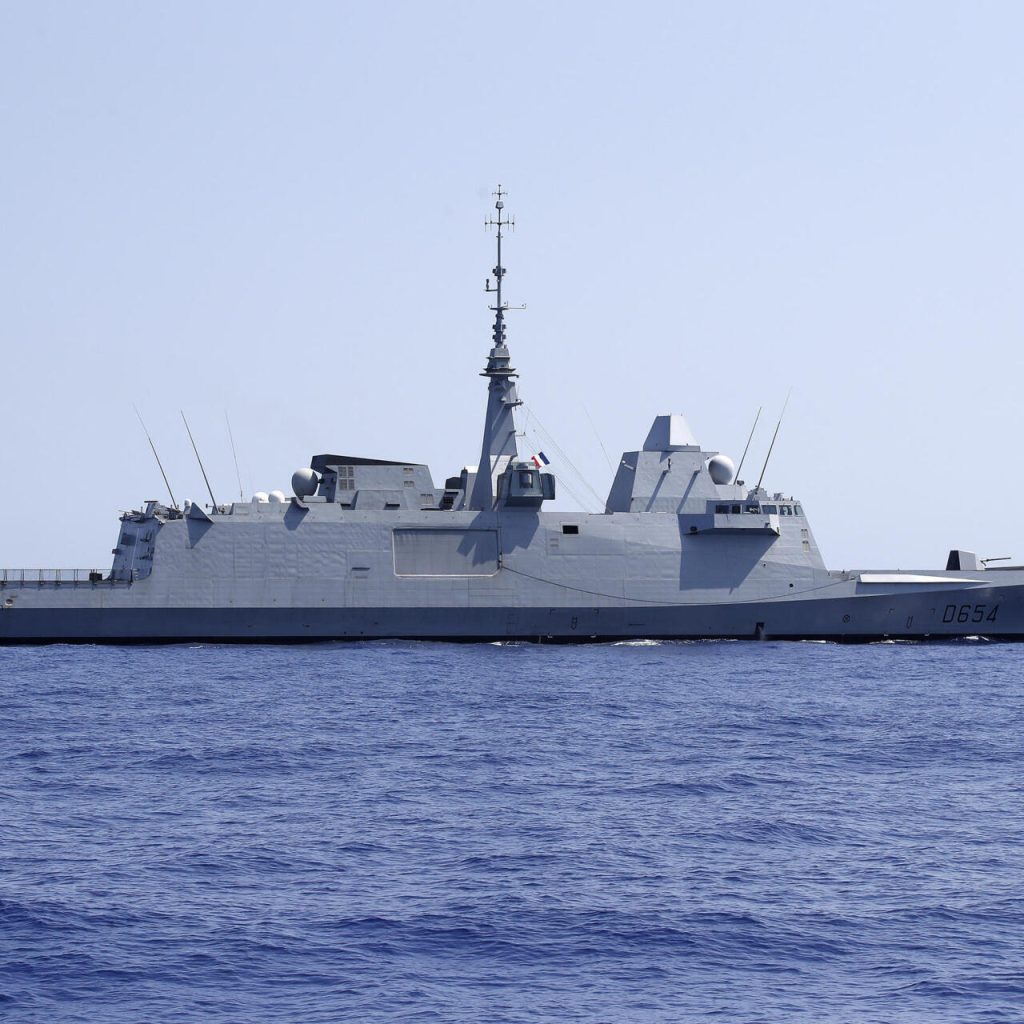
The French military vessel La Loire made an unusual port call in Tripoli and Benghazi between September 18 and 29 as part of the joint SeaBorder maritime security project. The visit brought French and Libyan forces together to address shared maritime risks, including illegal fishing, pollution and criminal networks involved in arms, drug and human trafficking.
For Libya, the significance goes beyond the military side of the visit. The country sits at the center of important Mediterranean shipping routes and remains one of Europe’s major sources of crude oil. Any disruption across its ports, offshore infrastructure or surrounding waters can have consequences for energy flows, trade and investment.
Maritime security is becoming an economic issue
The French Embassy in Libya described the shared maritime domain as vital to energy supplies to France and Europe. That message highlights why maritime security is increasingly linked to the wider European economic relationship with Libya.
Libya’s oil industry depends on a network of coastal export terminals, pipelines and offshore waters. Security risks at sea can therefore become commercial risks on land. Disruption to export infrastructure, illegal activity around ports or damage caused by pollution could affect production and exports at a time when European markets remain closely focused on North African energy supplies.
France already has a broader economic and institutional relationship with Libya. The French government says bilateral cooperation includes technical assistance, governance, security and economic engagement, while a Libya-France Business Forum in Paris in June brought together Libyan and French economic stakeholders.
The maritime cooperation adds another layer to that relationship. Better coordination between Libyan and European maritime authorities could improve the protection of critical infrastructure and shipping routes while also helping Libya strengthen its own maritime capabilities.
Tripoli and Benghazi matter
The vessel’s presence in both Tripoli and Benghazi is also notable.
Libya’s political and security divisions have often made international cooperation uneven between the country’s east and west. A French military vessel operating in both cities sends a practical signal that foreign governments increasingly see engagement across Libya’s geographic divide as necessary.
The development follows a broader increase in international maritime engagement with Libya. In September, Libyan waters off Tripoli hosted a major naval exercise involving the countries of the 5+5 Defence Initiative, including France, Italy, Algeria, Spain and other Mediterranean states. The exercise focused on maritime surveillance, operational coordination and common security threats.
The trend matters for Libya’s economy because maritime security is closely connected to the country’s ability to attract investment and maintain reliable energy exports. European governments and companies need secure routes for trade and energy, while Libya needs stronger institutions capable of protecting its ports, infrastructure and territorial waters.
The French visit therefore fits into a wider shift in how European countries approach Libya. Maritime cooperation is no longer only a security issue. It is increasingly part of the economic relationship, with energy, trade, infrastructure and regional stability tied closely together.
For Libya, the opportunity is to turn this growing international interest into stronger domestic maritime capacity. That would mean better surveillance, trained personnel, modern equipment and closer coordination between institutions. If sustained, such cooperation could help protect the infrastructure that supports one of Libya’s most important economic assets: its access to the Mediterranean and the energy markets beyond it.