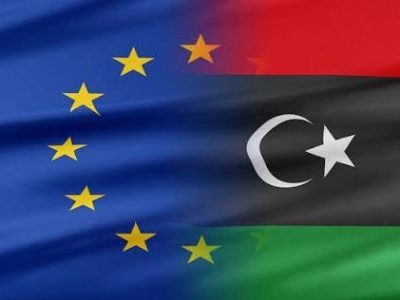
Libya’s approval of its maritime agreement with Turkey could create new opportunities for offshore oil and gas exploration, but turning the deal into commercial investment will depend on more than the two countries’ closer ties. The decision could strengthen cooperation between Libya’s National Oil Corporation (NOC) and Turkish energy companies, while bringing renewed attention to the Eastern Mediterranean’s largely contested offshore resources.
On October 20, Libya’s eastern-based House of Representatives approved the maritime agreement signed by Turkey and Libya’s former Government of National Accord in 2019. The vote reversed the parliament’s previous opposition to the agreement and removed a major obstacle to closer cooperation between Ankara and eastern Libya. Reuters reported that the decision concerns competing maritime claims in a region where energy exploration rights remain disputed.
For Libya’s energy sector, the main question is whether the agreement can help attract investment, improve offshore geological knowledge and expand the country’s options for developing natural gas resources.
Offshore Gas Offers the Biggest Long-Term Opportunity
The Eastern Mediterranean has attracted international energy companies following major gas discoveries in Egypt, Israel and Cyprus. These discoveries have encouraged governments and investors to examine how additional offshore resources could support domestic demand, regional trade and exports to European markets.
Libya has its own reasons to look offshore. The country already holds substantial oil and gas resources, but developing new production requires investment, exploration data and infrastructure. Offshore exploration could complement its established onshore industry and create additional opportunities for international partners.
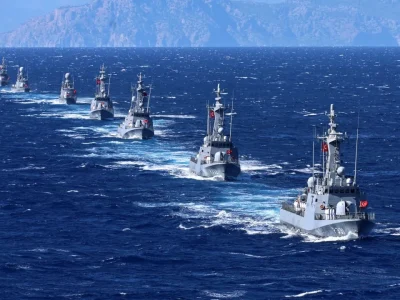
The maritime agreement could help define the areas where Libya and Turkey seek to advance their respective claims and cooperate on energy-related activities. However, the two countries’ interpretation of maritime boundaries remains contested by Greece, Egypt and Cyprus. Greece rejected the latest parliamentary approval, arguing that the agreement violates international maritime law.
These objections matter to energy companies. Exploration requires confidence in licensing rights, the legal status of offshore blocks and the ability to develop discoveries without prolonged disputes. Parliamentary approval in Libya may strengthen the agreement’s domestic standing, but it does not settle the competing claims of other countries.
The commercial opportunity therefore remains conditional. Investors will need clear legal arrangements, reliable geological data and credible plans for developing any discoveries before committing substantial capital to offshore projects.
Turkish Investment Could Expand Libya’s Energy Options
The approval comes as Turkey seeks a larger role in Libya’s economy and energy industry. Turkish companies bring experience in engineering, construction and energy services, while Turkey’s domestic energy strategy gives Ankara an incentive to pursue new exploration opportunities.
Closer cooperation could allow Turkish Petroleum Corporation (TPAO) to expand its engagement with Libya through geological studies, seismic surveys and potential exploration partnerships. Such work could help identify promising areas before companies commit to the much larger costs of drilling and developing offshore fields.
For Libya, the value of this cooperation would depend on the terms of investment. New partnerships could bring capital, technical expertise and additional exploration capacity. They could also help the NOC diversify its international partners rather than rely on a limited group of established operators.
The opportunity fits into Libya’s wider effort to attract investment across its oil and gas industry. The NOC has sought to expand exploration and develop resources that can support future production. Its engagement with international companies, including through new licensing opportunities, provides a broader commercial context for potential Turkish participation.
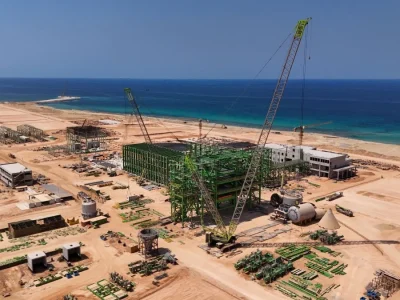
Gas development would require particular attention to infrastructure. Offshore discoveries need production facilities, pipelines and processing capacity before they can generate revenue. If Libya identifies commercially viable reserves, it must also decide whether to direct the gas toward domestic electricity generation, industrial demand or export markets.
The country’s recurring electricity shortages make domestic gas supply an important consideration. Additional production could help reduce pressure on the power sector, although new offshore projects would take time and significant investment to deliver meaningful volumes.
Libya’s existing gas industry and new exploration initiatives, including the NOC’s offshore gas tender involving Eni, show why offshore development deserves attention beyond the maritime dispute itself.
Commercial Progress Will Depend on Legal Certainty
The biggest challenge is turning the agreement into an investment framework that energy companies can use with confidence. Maritime boundaries affect exploration rights, licensing decisions and the potential development of offshore infrastructure. Competing claims can complicate projects even when governments express interest in cooperation.
The disagreement also extends beyond Libya and Turkey. Greece and Egypt have their own maritime arrangements, while Cyprus has opposed the Turkey-Libya agreement. These overlapping claims could create uncertainty around some exploration areas and increase the legal and commercial risks facing investors.
Libya must also ensure that closer cooperation produces tangible benefits for its own energy sector. That means transparent licensing, clear contractual terms, strong technical oversight and a credible framework for managing offshore revenue. A maritime agreement cannot substitute for these requirements.
The decision nevertheless creates an opening for Libya and Turkey to pursue further energy cooperation. If both sides translate the political approval into technical studies, commercially sound exploration plans and investment agreements, Libya could strengthen its position in the Eastern Mediterranean’s energy industry.
For now, the deal represents a potential opportunity rather than a new source of production. Its real value will become clearer when the two countries move from maritime claims to exploration activity, investment commitments and projects capable of delivering gas or oil to market.