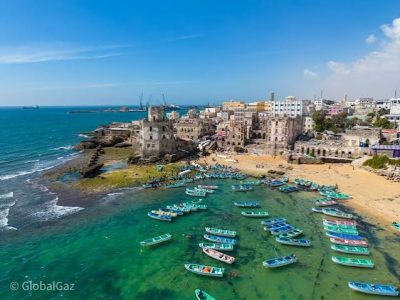
The World Bank Group is looking to expand cooperation with Libya in energy, public services and public financial management, as the country faces pressure to improve public spending, strengthen institutions and diversify its oil-dependent economy.
Finance Minister Rashid Abu Ghufa discussed opportunities for closer cooperation with Sameh Mubarak, the World Bank Group’s representative in Libya, during a meeting on Monday, according to the Ministry of Finance.
The talks focused on developing Libya’s service and financial sectors. Abu Ghufa also highlighted the need to build the skills and infrastructure required to digitise public financial management and strengthen the capacity of government employees.
Public Finance Reform Remains a Key Challenge
Better public financial management could help Libya improve how it plans, tracks and allocates government spending. The country relies heavily on oil revenues, while fragmented institutions and inconsistent fiscal policies complicate efforts to establish a more predictable economic framework.
Digital systems could improve the transparency of public accounts, strengthen expenditure controls and help government institutions manage budgets more effectively. However, technology alone will not resolve deeper problems. Libya also needs consistent policies, stronger institutions and greater coordination over public spending.
The latest meeting signals interest in further cooperation, but officials have not announced a specific financing package, project timetable or formal agreement arising from the talks.
Energy and Investment Opportunities
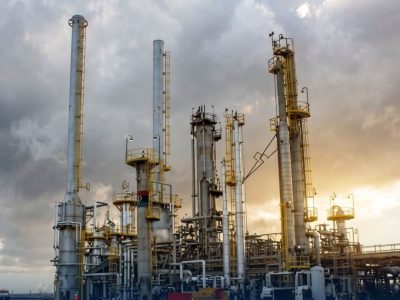
Cooperation with the World Bank Group could also support efforts to improve Libya’s energy sector and public services. Reliable electricity, stronger infrastructure and more effective public institutions would help businesses operate and could make the country more attractive to private investment.
Libya has significant oil and gas resources, but its dependence on hydrocarbon revenues leaves public finances exposed to production disruptions and changes in global oil prices. Improving financial management and expanding economic activity beyond oil remain important priorities.
The challenge will be turning discussions with international institutions into practical reforms and projects. Clear priorities, measurable results and sustained implementation will determine whether closer cooperation delivers lasting economic benefits for Libya.