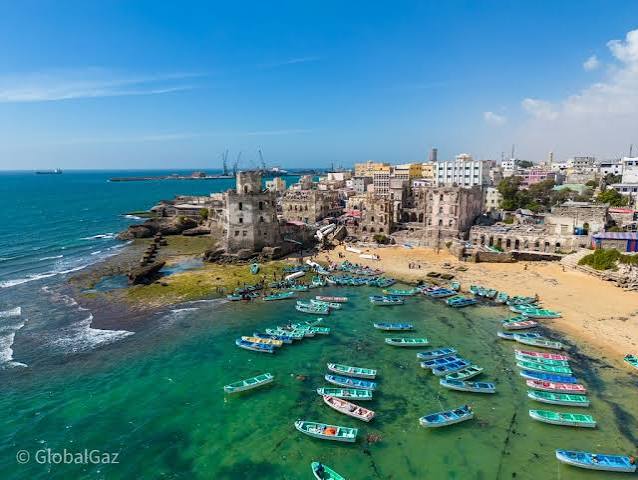
Libya has Mediterranean beaches, ancient Roman cities and vast desert landscapes, but it remains an unusual destination for international tourists. Years of conflict, security risks and limited tourism infrastructure have kept the country outside the mainstream travel market. Yet Libya has the attractions to build a tourism industry that could create jobs, attract investment and generate income beyond oil.
For travelers asking whether they can visit Libya, the answer depends on their nationality, visa eligibility and the current security situation. For the country, the bigger question is whether it can turn its historical and natural attractions into a sustainable source of economic growth.
What Is Tourism in Libya Like?
Libya offers a different experience from established Mediterranean destinations. Its main attractions include ancient cities, archaeological sites, traditional towns and the Sahara Desert.
The country has five UNESCO World Heritage sites: Leptis Magna, Sabratha, Cyrene, the Old Town of Ghadamès and the rock-art sites of Tadrart Acacus. Leptis Magna preserves the remains of a major Roman city, including its public monuments, market and harbour. Sabratha offers another important collection of ancient ruins along the Mediterranean coast. Visitors can also explore Tripoli’s Old City and the desert architecture of Ghadamès.
UNESCO’s list of Libya’s World Heritage sites highlights the scale of this cultural heritage.
However, Libya does not yet offer the convenience of a mature tourism destination. Visitors may face limited transport options, inconsistent services, security restrictions and difficulties arranging accommodation and organized trips. The US State Department also warns that Libya lacks formal tourism infrastructure.
These challenges make organized travel and reliable local arrangements particularly important. They also limit the number of visitors the country can accommodate safely and consistently.
Can Foreign Tourists Visit Libya? Visa and Safety Rules
Foreign nationals can apply to visit Libya, but visa approval does not guarantee entry, and eligibility depends on individual circumstances. Libya has introduced an electronic visa system, which provides a route for eligible foreign nationals to submit applications online. Travelers should check the official Libya e-visa portal and confirm the latest requirements before making plans.
Safety presents a separate challenge. As of October 2026, the US government advises its citizens not to travel to Libya because of risks including armed conflict, crime, terrorism and kidnapping. The UK government also advises against travel to much of the country and against all but essential travel to several major cities.
Travelers should read their government’s latest Libya travel advice before considering a trip. They should also check whether their insurance covers travel to the country.
A country may legally accept foreign visitors while remaining too dangerous for many tourists. Libya must address both entry procedures and security conditions if it wants to attract a wider international audience.
Can the Libya Tourism Industry Generate Income Beyond Oil?
Tourism could help Libya diversify its economy, but it will not replace oil revenue in the near future. The opportunity lies in creating additional sources of income and employment across several sectors.
Hotels, restaurants, transport companies, tour operators, guides and local craftspeople could all benefit from a larger visitor economy. Heritage tourism could support investment around archaeological sites, while desert tourism could create opportunities for communities outside the main coastal cities. Business travel could also support demand for hotels, transport and other services.
The United Nations Development Program discussed these opportunities in its 2025 analysis of Libya’s tourism revival, highlighting renewed interest in the country’s attractions and the potential role of digital visa services.
However, attracting visitors requires more than promoting historic sites. Libya needs a more predictable security environment, reliable transport links, better visitor services and effective protection of its cultural heritage. Investors also need confidence that projects can operate without sudden disruption.
Tourism will not solve Libya’s economic challenges on its own. But a functioning tourism industry could help small businesses grow, create jobs for young people and bring more private investment into the economy.
Libya has the attractions to become a tourism destination. The challenge is building the security, infrastructure and services that allow visitors to experience them safely. Until those conditions improve, tourism will remain an opportunity rather than a major alternative to oil.