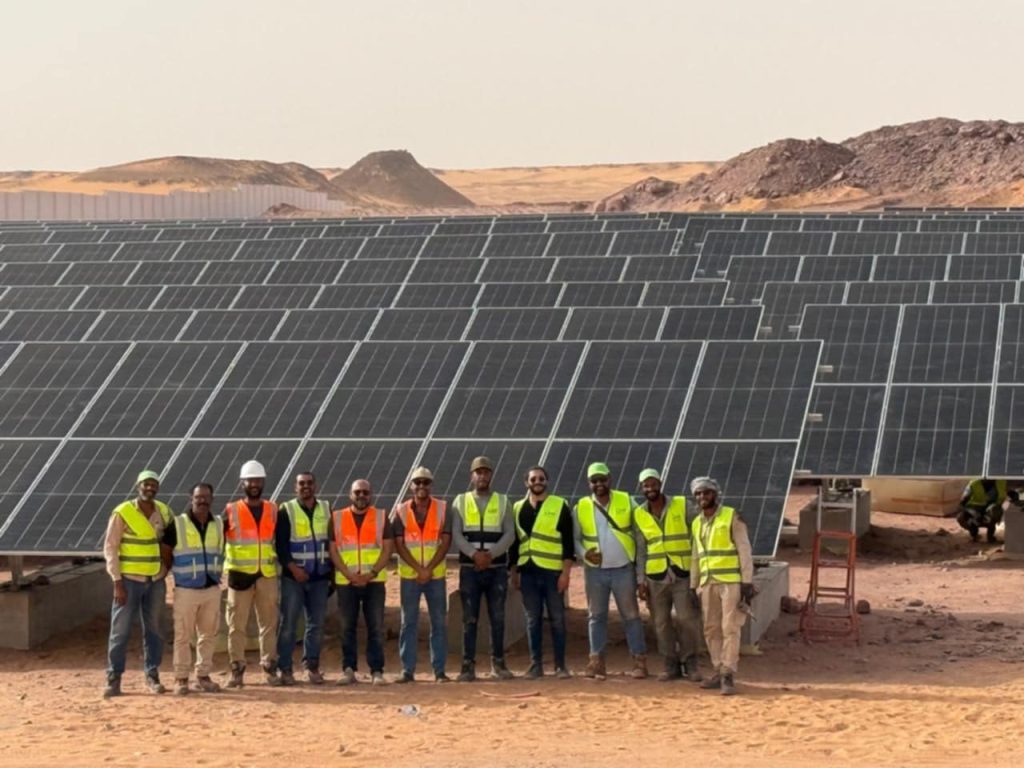
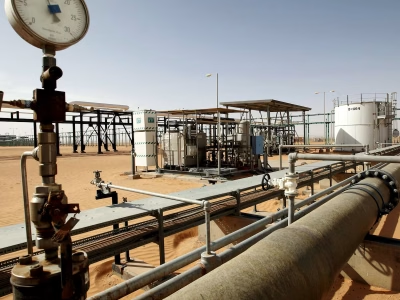
Libya has more than 3,200 hours of sunshine a year, yet households and businesses still face electricity shortages. Solar power could help ease the pressure on the national grid, reduce dependence on gas-fired power plants and provide electricity to remote communities. The government has started advancing new solar projects, but turning that potential into a reliable power supply will require investment, grid upgrades and consistent implementation.
Why does Libya need more solar power?
Libya’s electricity problems stem from several factors, including ageing infrastructure, fuel supply disruptions, rising demand and years of underinvestment. During the summer of 2026, major blackouts disrupted electricity and water supplies across large parts of the country, according to the United Nations Support Mission in Libya.
Solar power offers one way to reduce the strain on conventional power plants. Libya receives strong sunlight across much of its territory, giving it favourable conditions for solar photovoltaic systems. The Renewable Energy Authority of Libya reports average solar radiation of 5 to 7.5 kilowatt-hours per square metre per day.
Solar generation could help meet daytime electricity demand, while rooftop panels and battery storage could give homes and businesses greater protection against power cuts. Smaller systems could also supply remote communities that struggle to connect to the national grid.
Which solar projects could increase Libya’s electricity supply?
Libya has begun advancing projects that could expand its renewable energy capacity. In July 2026, authorities announced that implementation procedures for the 500-megawatt Al-Saddadah solar power plant had been completed. The government also outlined plans for hybrid solar systems at mosques, schools and public buildings to reduce their demand on the national grid, according to The Libya Observer.
These initiatives support Libya’s wider renewable energy strategy. The US Energy Information Administration reports that the country’s plan aims to develop 4 gigawatts of solar and wind capacity by 2035 and generate at least 20% of its electricity from renewable sources.
However, announced capacity does not equal electricity already reaching consumers. Libya must complete construction, connect new plants to the grid and ensure that projects operate reliably before they can make a meaningful difference to power shortages.
What is stopping Libya from expanding solar power?
Financing and implementation remain major challenges. Solar projects require upfront investment, clear commercial rules and reliable arrangements for construction and maintenance. Political divisions and uncertainty over public spending can also delay infrastructure development.
The national grid presents another problem. New solar plants cannot deliver their full value if transmission lines, substations and distribution networks cannot carry electricity reliably. Solar output also falls after sunset, so Libya needs battery storage, flexible power generation or other sources to meet evening demand.
Despite these obstacles, solar power offers Libya a practical opportunity to diversify electricity generation and reduce pressure on its gas supply. A mix of large solar plants, rooftop systems and storage could improve reliability while freeing more natural gas for other uses, including exports.
Solar power will not end Libya’s electricity shortages overnight. But if the government moves from project announcements to construction and grid investment, it could become an important part of a more reliable electricity system.