Libya’s National Oil Corporation (NOC) has called on French energy major TotalEnergies to accelerate its oil and gas exploration activities, putting renewed focus on the country’s efforts to increase production and attract long-term investment. The request covers outstanding work on two onshore and offshore areas, including a seismic survey, an exploratory well and the evaluation of existing discoveries.
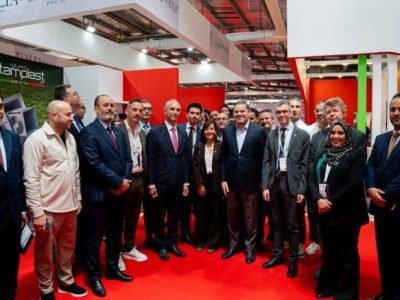
The discussions took place during a meeting between the NOC’s Exploration Department and TotalEnergies’ Libya branch. Both sides reviewed completed activities, hydrocarbon assessments and plans for 2027, with representatives from Harbour Energy, Equinor and the Oil Research Centre also attending.
According to the Libya Observer, the NOC wants TotalEnergies to complete a 600-square-kilometre 3D seismic survey, drill an exploratory well and evaluate two offshore discoveries.
Two exploration areas carry different opportunities
The outstanding commitments cover onshore Block 17 at the Mabrouk oil field in the Sirte Basin and offshore Block 137 at the Al Jurf field in western Libya.
The work could help Libya improve its understanding of existing hydrocarbon resources and identify opportunities for future development. Seismic surveys allow companies to build detailed images of underground rock formations and assess where oil and gas deposits may exist. Exploratory drilling then tests whether those prospects contain commercially viable resources.
However, exploration does not translate into higher production immediately. Even successful discoveries require further assessment, investment, infrastructure and development before they can deliver additional barrels.
For Libya, completing these commitments would therefore represent an important step in moving exploration projects towards commercial development.
Investment commitments must translate into production
The NOC’s request comes as Libya seeks to raise oil production capacity to 2 million barrels per day by 2030. Achieving that target will require more than restarting existing fields or improving output from producing assets. The country also needs sustained exploration, new field development and investment in infrastructure.
TotalEnergies already has a significant position in Libya’s upstream sector. In January 2026, the company signed an agreement extending the Waha concessions until 2050. The concessions currently produce around 370,000 barrels of oil equivalent per day, while the planned development of the North Gialo field could add another 100,000 barrels of oil equivalent per day, according to TotalEnergies.
These longer-term commitments show that international energy companies continue to see opportunities in Libya. However, the country must ensure that contractual obligations lead to measurable operational progress.
Libya’s production ambitions also depend on its ability to maintain stable operations and provide investors with greater certainty. Political disputes, security concerns, infrastructure constraints and delays in project execution have repeatedly affected the country’s oil sector.
The latest discussions with TotalEnergies highlight an important challenge for the NOC: turning renewed international interest into tangible results. Faster exploration could strengthen Libya’s future production potential, but the real test will be whether companies complete their commitments and move viable discoveries towards development.
As Libya’s October oil production figures show, current output remains central to the country’s economic position. Sustaining that output while developing new resources will be essential if Libya wants to reach its longer-term production targets.