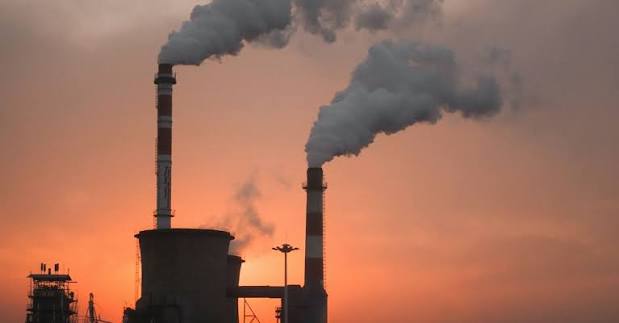
Libya has pledged to reduce greenhouse gas emissions by 15% by 2035 compared with 2023 levels, with gas flaring reduction expected to play a central role in its first Nationally Determined Contribution (NDC) under the Paris Agreement.
The climate plan covers 2026–2035 and sets out measures across the energy sector, including recovering gas currently lost through flaring, improving power generation and expanding the use of cleaner energy. However, the emissions reduction target depends on international financial support.
Without that funding, Libya expects its greenhouse gas emissions to increase by 20% by 2035. This would still represent an improvement on the nearly 35% increase projected under a business-as-usual scenario, according to the plan reported by Argus Media.
The targets highlight an important economic opportunity for Libya: reducing emissions while making better use of its oil and gas resources.
Gas flaring offers the biggest opportunity
Gas recovery forms the largest part of Libya’s planned emissions reduction effort. The country expects projects to capture gas that would otherwise go to waste during oil production, allowing more of it to reach domestic consumers or export markets.
The NDC estimates that gas recovery projects could avoid around 90 million tons of carbon dioxide equivalent emissions and save approximately 40 million tons of oil equivalent in natural gas over the 2026–2035 period.
This could bring significant benefits to Libya’s energy sector. Recovered gas can support electricity generation, reduce the need to rely on liquid fuels in power plants and potentially increase the volumes available for export.
The opportunity is particularly relevant as Libya continues to face challenges in meeting domestic electricity demand while seeking to increase oil and gas production.
The National Oil Corporation (NOC) has already identified methane management and gas flaring reduction as priorities. In July, the corporation reported progress in reducing flaring and outlined further measures involving emissions monitoring, infrastructure upgrades and operational efficiency.
Projects such as the Bouri Gas Utilisation Project, completed by Eni and the NOC in October, demonstrate the potential. The project aims to recover previously flared associated gas, reduce emissions by around 1.5 million tons of CO2 annually and supply additional gas to the domestic market.
Investment and implementation remain key challenges
Libya’s ability to meet its emissions targets will depend on investment, infrastructure and access to technology.
Recovering associated gas requires gathering systems, processing facilities, pipelines and upgrades to existing production infrastructure. These projects require substantial capital and coordination between oil producers, infrastructure operators and energy authorities.
International financing will also play an important role. The NDC makes clear that Libya’s 15% emissions reduction target depends on external financial support, highlighting the gap between its climate ambitions and the resources currently available to deliver them.
Renewable energy offers another area for investment. Expanding solar power and improving electricity efficiency could reduce pressure on natural gas and liquid fuel supplies, while helping Libya diversify its energy mix over time.
For international energy companies, the plan could create opportunities in gas processing, methane detection, emissions monitoring, renewable power and infrastructure development.
The economic case extends beyond environmental targets. Recovering gas that currently goes to waste could increase the value extracted from existing oil and gas operations, improve domestic energy supply and support additional export revenues.
The challenge will be turning these targets into funded projects with measurable results. For Libya, reducing emissions and improving the efficiency of its energy sector could advance two important economic priorities: making better use of its natural resources and strengthening the reliability of domestic energy supplies.