Libya’s food import dependence puts bread prices under pressure
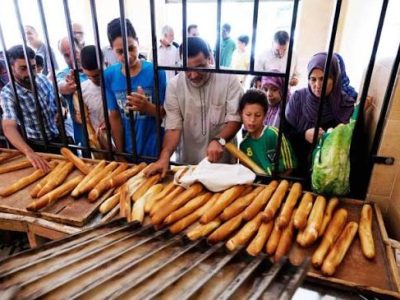
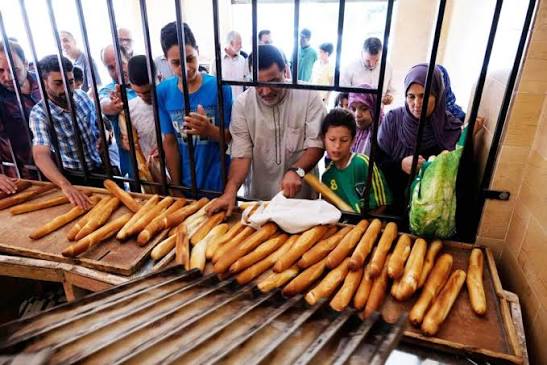
Libya’s reliance on imported food is exposing households to rising prices as pressure on the dinar, difficulties securing foreign currency and weaknesses in the country’s supply chains push up the cost of essential goods. Flour prices have climbed sharply in recent months, while a new Central Bank initiative to prioritise food imports highlights the growing importance of securing supplies.
The pressure extends beyond bread. Oils, rice and other imported staples have also become more expensive, raising concerns about household purchasing power and the country’s wider food security.
According to Libya’s Price Balancing Fund, some food commodities have increased in price by around 40% in recent months, while flour prices have approached a 100% increase, its executive director Jamal Oweid told local media.
Ali Abu Azza, head of the Supreme Follow-up Committee for Bakeries, said a 100-kilogram sack of flour had reached LYD 425 in some areas, compared with LYD 275 in August. That represents an increase of around 55%.
The situation reflects Libya’s exposure to foreign currency movements. The parallel-market dollar rate approached LYD 10 in November, compared with the official rate of around LYD 6.42. This gap makes imports more expensive for businesses that cannot secure sufficient foreign currency through official banking channels.
Central Bank prioritises food imports
The Central Bank of Libya has taken steps to address some of these pressures. On November 15, it began notifying commercial banks about approved documentary credit applications, giving priority to food, medicines and animal feed.
The bank plans to announce approvals for different categories of imports each week until the end of 2026. The initiative aims to manage foreign currency outflows while ensuring businesses can finance essential imports.
The scale of Libya’s food import bill helps explain the decision. According to an analysis by Alama Report using Central Bank trade data, food and agricultural product categories accounted for approximately $6.1 billion, or 22% of the country’s $28.4 billion in goods imports in 2025.
However, securing import financing does not automatically guarantee lower prices. In October, the Economy Ministry introduced direct flour sales from mills to bakeries, helping reduce wholesale prices from around LYD 380 to below LYD 325 per quintal. Yet Libya Herald reported that bakeries in Tripoli had not reduced bread prices following the decline. This highlights the difficulty of translating improvements in supply costs into savings for consumers.
Domestic production remains a long-term challenge
Libya’s dependence on imported food also reflects limitations in domestic agricultural production.
The Food and Agriculture Organization (FAO) estimates that the country’s cereal production will reach approximately 150,000 tonnes in 2026, nearly 20% below its five-year average. Dry conditions, limited rainfall and pressure on agricultural resources have affected production prospects.
Meanwhile, the FAO forecasts cereal import requirements of 3.3 million tonnes for the 2026/27 marketing year, including 1.5 million tonnes of wheat.
These figures underline the gap between domestic production and national consumption. They also leave Libya exposed to international grain prices, shipping costs and disruptions to major supply routes.
The immediate challenge is to keep essential food imports flowing and ensure that foreign currency reaches legitimate importers. But stabilising bread and food prices will require more than additional import credits.
Improving storage capacity, strengthening local agricultural production, supporting domestic milling and improving food distribution will all play a role in reducing the country’s exposure to external shocks.
For an economy with substantial oil revenues, continued dependence on imported basic food supplies remains an important structural weakness.