Libya’s State Audit Bureau has reported a budget deficit of LYD 5.4 billion for 2025, highlighting growing pressure on public finances as government spending on salaries and subsidies continues to rise.
The Bureau’s 2025 Annual Report puts government revenue at approximately LYD 165.7 billion, against expenditure of LYD 171.1 billion. The findings highlight the challenges facing Libya’s public finances, particularly the country’s expanding wage bill, high subsidy costs and weaknesses in the collection and management of state revenue.
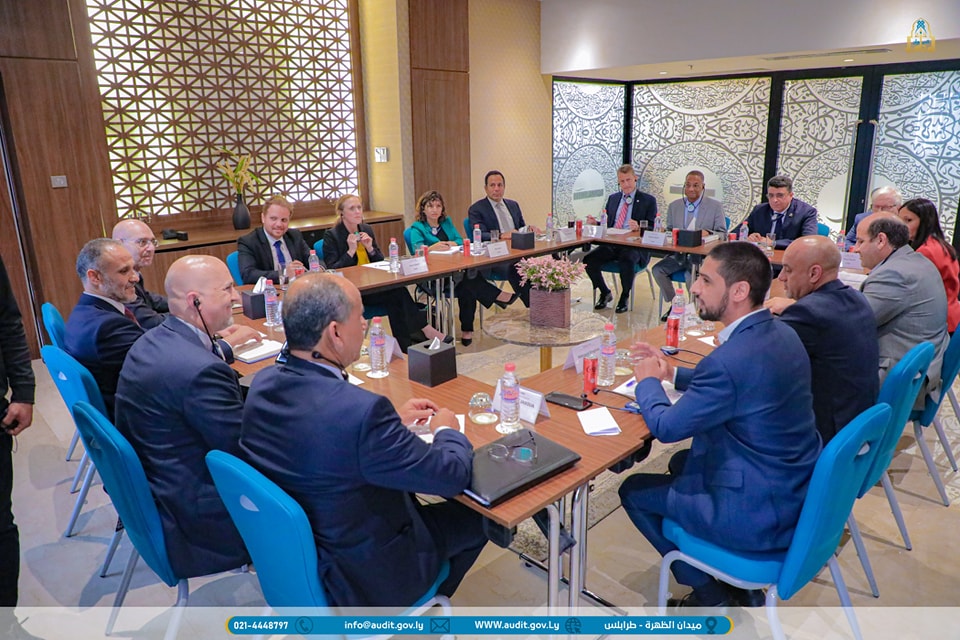
Published on November 23, the report spans 19 chapters and more than 1,000 pages. It examines the financial activities of over 500 government entities across sectors including public finance, banking, oil, investment, infrastructure and healthcare.
The findings offer a detailed picture of how Libya manages its public resources and where government spending continues to grow.
Salaries and subsidies dominate government spending
One of the report’s most significant findings concerns the rising cost of public sector employment.
Government salary spending reached LYD 73.3 billion in 2025, compared with LYD 33.2 billion in 2021. This represents an increase of approximately 120% in four years.
Salary payments now account for around 53% of total government expenditure. The Bureau also reported that the number of employees in Libya’s state administrative apparatus reached approximately 2.18 million in 2025, up from 1.77 million in 2020.
Average monthly salaries also increased from LYD 970 in 2020 to LYD 2,319 in 2025.
Subsidies represent another major expense. Government spending on subsidies reached approximately LYD 65.9 billion in 2025. This included LYD 34.9 billion under the fourth budget chapter, LYD 28.5 billion in fuel supplied through the crude-for-fuel swap arrangement and a LYD 3 billion advance for the electricity sector.
By comparison, development spending reached around LYD 20 billion. Subsidies therefore cost the state more than three times its development expenditure.
The figures highlight the limited room available for infrastructure investment and other development priorities when salaries and subsidies absorb such a large share of public spending.
Oil revenue management raises further concerns
The report also highlights weaknesses in how government institutions collect, record and transfer public revenue.
According to the Bureau’s findings, total state resources reached approximately LYD 179 billion in 2025. However, only around LYD 137.2 billion entered the Ministry of Finance’s records. The remaining LYD 41.8 billion had not reached the ministry, including approximately LYD 28.5 billion linked to crude oil exchanged for fuel products.
This distinction matters because Libya depends heavily on oil income to finance its public budget. Weak revenue transfers and incomplete financial records make it harder to track government income and spending accurately.
The report also raises concerns about the use of deposits and trust accounts to finance spending in sectors including defense and electricity over the past three years.
These findings add to longstanding concerns about transparency and financial oversight across Libya’s public institutions.
Libya’s challenge is not simply generating enough revenue from its oil sector. It must also ensure that these resources reach the state treasury, appear in public accounts and support spending priorities.
The Audit Bureau’s latest report provides another indication that improving public financial management will remain central to the country’s economic stability and its ability to fund long-term development.