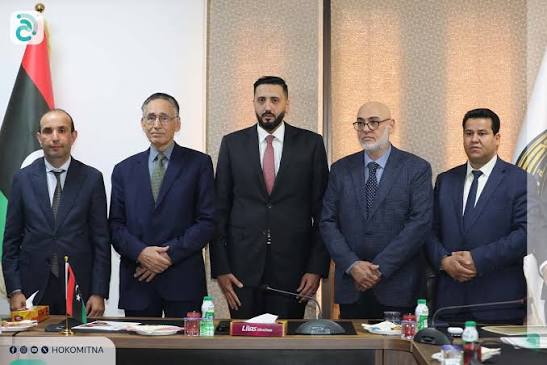
Libya’s development spending has averaged around $10 billion a year over the past four years, according to Economy and Trade Minister Suhail Boushiha. Speaking at the 2026 World Investment Forum in Doha, he said the government wants to attract productive investment, improve the business environment and diversify the economy. The challenge is turning public spending and oil wealth into lasting economic growth, stronger businesses and jobs beyond the energy sector.
Libya has the financial resources and geographic advantages to attract investors. It holds Africa’s largest proven oil reserves and sits between European markets, North Africa and the wider Mediterranean. Yet these advantages alone cannot build a diversified economy. Investors also need predictable rules, reliable infrastructure and confidence that projects can operate without disruption.
Libya Needs More Than Development Spending
The $10 billion annual figure highlights the scale of Libya’s development ambitions. But spending levels alone do not show whether investment creates lasting economic value. The more important questions concern where the money goes, which projects it supports and whether those projects improve productivity.
Investment in roads, ports, electricity and logistics can reduce business costs and help companies reach new markets. Better infrastructure can support manufacturing, agriculture, tourism and trade, creating income and employment beyond oil and gas.
However, public spending can have a limited economic impact when projects face delays, lack clear priorities or fail to address the main constraints on private businesses. Construction may boost demand in the short term, but the longer-term return depends on whether completed projects help businesses produce more and employ more people.
Libya’s dependence on hydrocarbons makes this particularly important. According to the African Development Bank, oil and gas account for about 90% of government revenue and exports. This leaves public investment exposed to oil price changes, production disruptions and competing demands on government finances.
The government needs to assess development projects against measurable economic outcomes, not simply the amount allocated or spent. Transparent procurement, effective oversight and clear project priorities can help ensure that public funds deliver lasting benefits.
What Would Attract More Private Investment?
Boushiha’s call for productive investment reflects a wider challenge: Libya needs private capital to complement public spending and build businesses that generate revenue outside hydrocarbons.
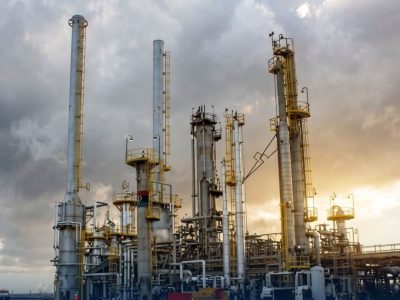
Energy remains a major opportunity. Investment in oil and gas can increase production and strengthen export earnings. But Libya can also use its energy resources to support domestic industries, develop gas infrastructure and improve electricity supply. More reliable power would reduce operating costs for manufacturers and other businesses.
Agriculture, food processing, logistics, renewable energy and tourism also offer opportunities to diversify the economy. Developing these sectors requires more than investor outreach. Businesses need access to finance, clear licensing requirements, predictable tax and customs rules, and consistent treatment across government institutions.
Political and institutional fragmentation adds to investor uncertainty. Companies committing capital to long-term projects need clarity over approvals, budgets and contracts. Better coordination between authorities and more consistent economic policies would help reduce these risks.
Domestic businesses also need a greater role. Small and medium-sized enterprises can supply larger projects, create jobs and build local expertise. Foreign investment will have a greater economic impact when it develops local supply chains, transfers skills and creates opportunities for Libyan companies.
Turning Oil Wealth Into Long-Term Growth
Libya’s financing needs show why public spending alone cannot deliver economic transformation. The African Development Bank estimates that the country needs substantial additional investment to meet its development objectives. Attracting private capital and improving the use of public funds will therefore be essential.
Public-private partnerships and development finance could help fund viable infrastructure projects, provided contracts allocate risks clearly and protect public finances. Publishing information on project costs, completion dates and economic results would also help investors assess whether development spending delivers value.
For investors, Libya offers opportunities across energy, transport, industry and services. But the scale of those opportunities depends on the reliability of the institutions and infrastructure behind them.
The key question is not simply how much Libya spends on development. It is whether that spending can build a stronger private sector, reduce dependence on oil revenue and create a more resilient economy. Linking public investment with credible reforms and long-term private capital would give Libya a stronger foundation for diversification.