A Turkish-Libyan joint venture plans to invest around $2.5 billion in a major direct reduced iron (DRI) project in Benghazi, giving Libya one of its largest new industrial investments and potentially creating a major export platform outside the country’s traditional oil and gas sector.
The project, developed by Turkish steelmaker Tosyalı and Libyan partner SULB, is located in the Ras al-Mangar area east of Benghazi. SULB is chaired by businessman Ahmed Gadalla, who has been involved in advancing the project and its industrial ambitions. Commercial production is expected to begin in early 2028, with the complex designed to eventually produce around 8.1 million tonnes of DRI annually. The first phase is planned at around 2.7 million tonnes per year, according to Libya Observer’s report on the project.
The investment is significant because Libya has spent years trying to reduce its dependence on crude oil exports without developing enough large-scale alternatives. The Benghazi project offers a different model: use domestic energy resources, foreign industrial expertise and Libya’s Mediterranean location to produce a higher-value industrial commodity for international markets.
Around 90% of the project’s output is expected to be exported, while the wider complex will also produce reinforcing steel and pipes for the Libyan market. If delivered at the planned scale, the project could therefore serve both Libya’s domestic construction sector and international steel markets.
Turning gas into industry
The project’s importance goes beyond steel production. Its DRI technology can use natural gas instead of coal, resulting in lower carbon emissions than conventional blast-furnace steel making. The technology also provides a pathway toward greater hydrogen use as supplies and infrastructure develop.
That could become increasingly important for access to European markets. The European Union’s Carbon Border Adjustment Mechanism has entered its definitive phase and covers products including iron and steel. As European importers face greater pressure to account for the emissions embedded in imported goods, the carbon intensity of steel production is becoming a more important factor in international competitiveness.
For Libya, that creates an opportunity to turn its natural gas resources into an industrial advantage rather than simply exporting energy. The project’s developers have also arranged gas supplies for the first phase and are developing dedicated power infrastructure to support the complex. Reliable energy will be critical if the plant is to operate at the scale required for export markets.
The combination of energy availability, modern DRI technology and access to the Mediterranean gives Benghazi a potentially competitive position. But the commercial case will depend on whether Libya can provide the infrastructure and operating environment needed to support continuous industrial production.
Benghazi’s industrial opportunity
The project also fits into a wider effort to position Benghazi as an industrial and logistics center. As LER previously examined in its analysis of Libya’s industrial zones and economic growth, Benghazi is part of a broader push to develop industrial capacity around Libya’s coastal cities, ports and trade routes. The city’s location gives manufacturers access to Mediterranean shipping routes and markets in Europe and North Africa.
The Tosyalı-SULB project could become an anchor for that wider industrial ecosystem. Large-scale iron production requires much more than the main plant. It creates demand for transport, engineering, maintenance, logistics, energy services and supporting manufacturers. Over time, those activities can create an industrial cluster around the main investment and increase the amount of value generated locally.
That is particularly important for Libya, where much of domestic demand for manufactured goods is still met through imports.
A successful steel complex could also support Libya’s construction sector by increasing domestic availability of steel products. Rather than importing finished products, local manufacturers could increasingly source inputs from a domestic industrial base.
The project’s location also gives it an export advantage. Benghazi sits directly on the Mediterranean, allowing products to move toward European and regional markets by sea. The developers are targeting international markets precisely because of this geographic position.
Turkey’s expanding economic footprint
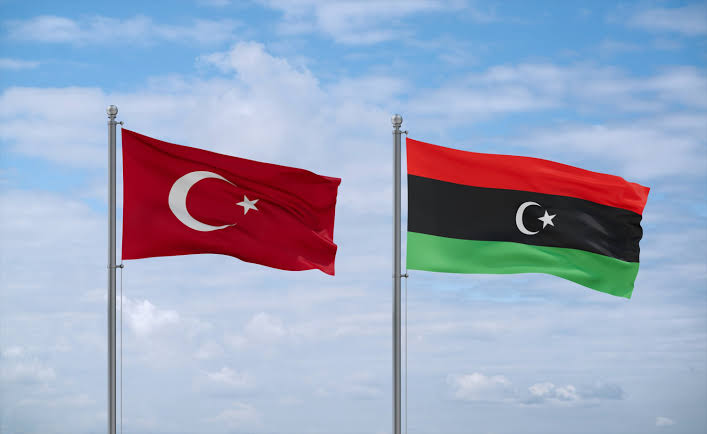
The investment also reflects the changing nature of Turkey’s economic relationship with Libya.
Turkish companies have historically maintained a strong presence in western Libya, particularly in construction, infrastructure and energy. The Tosyalı-SULB project demonstrates that Turkish industrial interests are increasingly reaching eastern Libya as well.
For Ankara, the project provides a major industrial foothold in a market with substantial energy resources and access to both European and African markets. For Libya, it brings international capital, technology and expertise into a sector that has struggled to attract large private investment.
But the project will still face substantial execution risks. Reaching more than eight million tonnes of annual capacity will require reliable gas and electricity supplies, transport infrastructure, port capacity and a stable regulatory environment. Libya’s fragmented institutions and infrastructure weaknesses remain significant challenges for any investment of this scale.
The first phase will therefore be the key test. Delivering the initial 2.7 million tonnes of capacity and starting commercial production as planned would send a strong signal to other international investors considering large industrial projects in Libya.
The $2.5 billion investment is important, but its wider significance lies in what it could mean for Libya’s economic structure. If the Benghazi complex reaches production and develops the supporting industries around it, Libya could begin converting its energy advantage into manufacturing and export capacity. That would move the country closer to the economic diversification strategy it has discussed for years but struggled to implement.
For Turkey, the project strengthens its industrial presence in Libya. For Benghazi, it could provide a new anchor for industrial development. And for Libya as a whole, it offers a test of whether the country can turn foreign investment, natural resources and geographic advantages into a sustainable manufacturing base.
The next two years will determine whether the project becomes another ambitious investment announcement or a genuine step toward a more diversified Libyan economy.