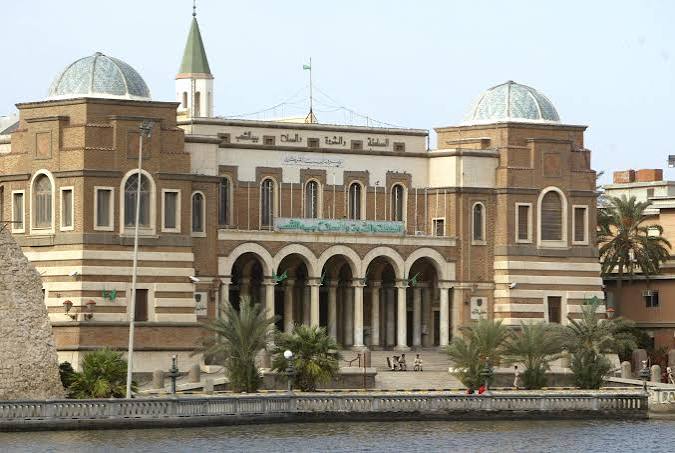
Libya’s liquid foreign currency reserves have surpassed $63 billion, according to a source at the Central Bank of Libya (CBL) cited by local media, giving the country a substantial foreign exchange buffer compared with the amount of Libyan dinars currently in circulation.
The CBL source said liquid and easily convertible foreign assets are worth more than LYD 400 billion, equivalent to over $63 billion at the official exchange rate. The figure is considerably higher than the estimated LYD 210 billion money supply, suggesting that the central bank currently has a strong reserve position relative to the amount of dinars in circulation.
The size of the reserves provides an important cushion for Libya’s financial system, particularly in an economy that depends heavily on foreign currency to finance imports. However, the large reserve position has not reduced demand for dollars and other foreign currencies among banks, businesses and individuals.
Strong demand for foreign currency
CBL data shows that commercial banks used around $17.3 billion in foreign currency during the first eight months of 2026, a 0.9% increase from the $17.2 billion recorded during the same period last year.
Letters of credit accounted for the largest share of this demand, representing 51.8% of total foreign currency use. Personal foreign currency allocations accounted for another 34%, while transfers made up 14%. Merchant cards represented just 0.2%.
Jumhouria Bank was the largest user of foreign currency among commercial banks, with almost $2.9 billion, equivalent to 16.69% of the total. Aman Bank for Commerce and Investment followed with 10.64%.
During the same period, the CBL approved 12,249 applications for letters of credit and transfers involving 2,904 beneficiaries, excluding personal foreign currency allocations. Letters of credit accounted for 10,656 of those applications, reflecting the continued importance of imports to Libya’s private sector.
Imports keep pressure on reserves
Food imports were the largest source of private-sector demand for foreign currency, exceeding $2.3 billion during the first eight months of the year. Production and operating supplies, as well as raw materials, also accounted for a significant share, together making up 17% of private-sector foreign currency use.
Turkey was the leading source of goods and services financed through these transactions, accounting for 20.1% of the total, with payments exceeding $1.94 billion. The United Arab Emirates was the main destination for transfers abroad, receiving 22.3% of total payments.
The figures highlight the central role that foreign currency plays in Libya’s economy. Businesses depend heavily on imports to secure food, machinery, production inputs and other essential goods, leaving demand for dollars closely tied to domestic consumption and economic activity.
Libya’s ability to meet that demand ultimately depends on its foreign exchange earnings, which remain closely linked to the oil sector. Oil exports generate the majority of the country’s foreign currency inflows, making the stability of production and exports particularly important for maintaining the CBL’s reserve position.
For now, the central bank’s liquid reserves provide a significant financial buffer and, according to the CBL source, are sufficient to cover the existing dinar money supply. The more important challenge will be maintaining that buffer as foreign currency demand continues to rise, while ensuring that reserves support a stable exchange market and the imports needed by the wider economy.