Strait of Hormuz Crisis Drives Oil Majors Back to Libya
Oil majors are steadily returning to Libya, but they are doing so without fanfare. This shift does not reflect a sudden surge of confidence in Libya’s internal stability. Instead, it reveals a deeper recalibration of global energy risk. The ongoing crisis in the Gulf has forced companies to rethink where and how they secure supply, and Libya is increasingly seen as part of that answer.
A Strategic Alternative to Hormuz
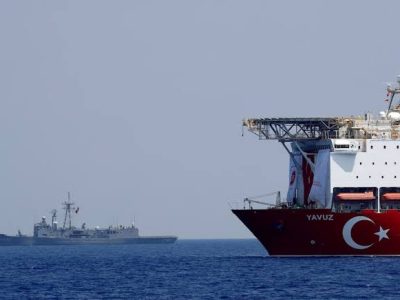
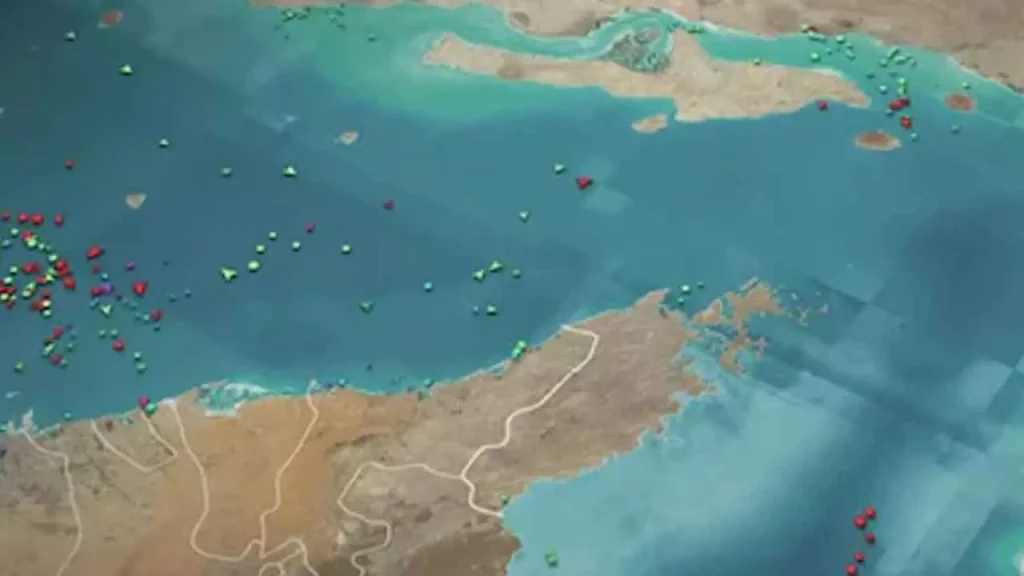
Despite the ceasefire between Iran and Israel and the United States, the Strait of Hormuz remains far from stable. Shipping flows have yet to normalize, insurance premiums stay elevated, and military activity continues to shape the region. The recent US naval blockade reinforces the sense that even without open conflict, the world’s most critical oil chokepoint cannot guarantee reliability. In this context, Libya’s geography becomes a strategic advantage. Its crude flows directly into the Mediterranean, bypassing Hormuz entirely, and offering a route to market that avoids one of the most volatile transit corridors in the world.
Untapped Potential, Lower Entry Costs
Libya’s resource base strengthens its appeal. The country holds Africa’s largest proven oil reserves, yet much of its upstream potential remains underdeveloped due to years of instability. This gap creates a rare opportunity for oil majors. Entry costs remain relatively low, exploration acreage still offers upside, and many existing fields require rehabilitation rather than costly discovery. Companies can move in gradually, deploying capital in phases while securing long-term positions before competition intensifies.
Political Risk, But a Different Kind
Investors remain fully aware of Libya’s political fragmentation, but they increasingly distinguish between localized and systemic risks. Instability in Libya can disrupt production, delay projects, or complicate logistics, yet it does not threaten global supply chains in the same way as tensions in the Gulf. By contrast, disruptions in the Strait of Hormuz carry immediate global consequences, affecting pricing benchmarks and triggering widespread volatility. For oil majors, this distinction matters. They are more willing to navigate contained instability than expose themselves to chokepoints that can destabilize the entire market.
European Demand Strengthens the Case
At the same time, structural demand factors reinforce Libya’s attractiveness. Europe continues to diversify away from Russian energy, and that shift has not slowed. Libya’s proximity offers shorter shipping routes, lower transportation costs, and compatibility with existing refining systems. This alignment between Libyan supply and European demand provides oil majors with a clear commercial incentive to deepen their presence in the country.
The Quiet Return of the Majors
The re-entry into Libya is unfolding gradually rather than through headline-grabbing deals. Companies such as Eni, TotalEnergies, and Repsol have all stepped up their engagement, whether through resumed exploration activity, expanded partnerships, or renewed negotiations with Libya’s National Oil Corporation. Technical teams are returning to fields, service contracts are expanding, and discussions are gaining traction across multiple basins. This incremental approach allows these firms to position themselves early, rebuild relationships on the ground, and secure strategic footholds while the operating environment remains fluid.
A Calculated Bet on Instability
Ultimately, oil majors are not betting on Libya becoming fully stable in the near term. They are betting on a world where instability persists and where supply diversification becomes essential. The continued constraints around the Strait of Hormuz, even in the absence of active conflict, highlight the vulnerability of concentrated supply routes. In response, companies are spreading risk across multiple regions, and Libya stands out as a viable component of that strategy.
The global oil market is shifting toward a new balance where reliability carries as much weight as volume. The Gulf crisis has exposed structural weaknesses in supply chains, and even temporary disruptions continue to influence pricing and strategy. Against this backdrop, Libya is re-emerging not as a perfect producer, but as a strategically valuable one. As long as Hormuz remains constrained and uncertainty defines the market, oil majors will continue to bet, quietly but decisively, on Libya.