Tripoli Flooding: Heavy Rain Disrupts Libya’s Capital
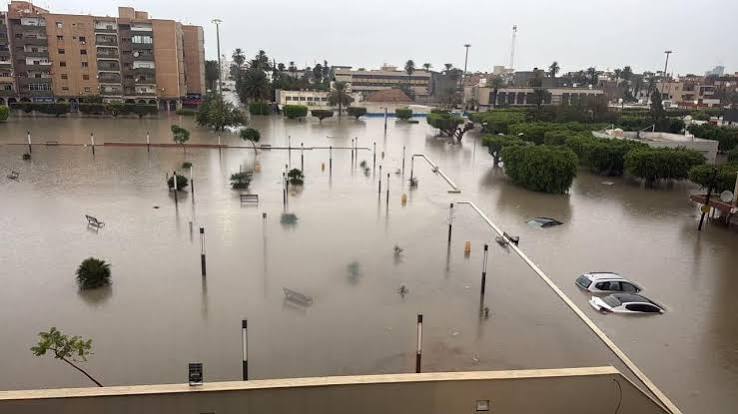
Heavy rain flooded streets across Tripoli on Tuesday, October 13, 2026, submerging vehicles, damaging buildings and disrupting movement across Libya’s capital. Authorities launched emergency operations to remove floodwater, while security forces closed the city’s ring road and electricity officials cut power in some districts to reduce safety risks.
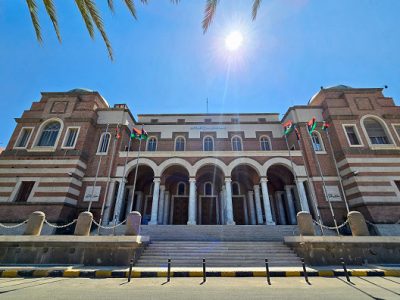
Jumhouria Bank confirmed that one of its employees died from electrocution while entering the bank’s headquarters, as floodwater reached electrical utility boxes. Flooding also affected buildings in central Tripoli, including the city’s central hospital, according to images reported by Africanews.
The downpour exposed the challenges Tripoli faces when heavy rain overwhelms its streets and drainage infrastructure. It also disrupted transport and raised concerns about the safety of residents, motorists and public facilities.
Heavy Rain Floods Tripoli Streets and Disrupts Transport
The flooding left vehicles stranded on roads and forced emergency services and municipal workers to respond across the capital. Authorities ordered public services to begin urgent drainage operations, while road crews worked to remove water, mud and debris from major thoroughfares.
The General Electricity Company cut power in some affected districts as a precaution after floodwater reached electrical infrastructure. The incident involving the Jumhouria Bank employee highlighted the dangers that arise when floodwater comes into contact with exposed electrical equipment.
Libya’s National Meteorological Centre had forecast heavy rainfall across northern parts of the country on Monday evening. It also warned people living near valleys and wadis about the risks associated with severe rainfall.
The flooding comes as Tripoli continues to face recurring problems with water drainage during periods of heavy rain. Local authorities typically prepare for the rainy season by clearing drainage networks and manholes, which can become blocked by sand carried from the desert.
Tripoli’s Drainage System Faces Another Test
Repeated flooding raises questions about the ability of Tripoli’s urban infrastructure to cope with intense rainfall. Even when municipal crews clear drains and remove debris, water can accumulate rapidly if drainage networks cannot handle the volume of rain.
Flooded roads can interrupt commuting, delay deliveries and restrict access to businesses and public services. Damage to vehicles, buildings and electrical infrastructure can also increase costs for households, companies and public authorities.
For Libya, these disruptions underline the economic importance of maintaining urban infrastructure alongside investment in major energy and transport projects. Reliable drainage systems, effective road maintenance and emergency response capacity help protect businesses, public facilities and daily economic activity.
The immediate priority remains clearing flooded streets, restoring safe access and protecting residents from electrical and other hazards. Authorities will also need to assess the damage and identify where drainage systems require repairs or upgrades.
The latest flooding in Tripoli shows how severe weather can quickly disrupt daily life in Libya’s largest urban center. Better drainage maintenance and longer-term infrastructure investment will be important to reduce the impact of future downpours.