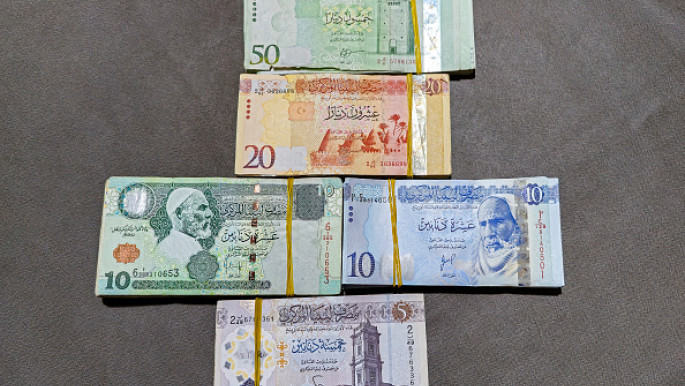
Why is the Libyan dinar losing value? Libya earns billions of dollars from oil exports, yet its currency faces pressure from foreign exchange demand, public spending and uncertainty over how the country manages its oil wealth. The exchange rate matters far beyond financial markets: it affects import costs, business decisions and the purchasing power of Libyan households.
Why does the Libyan dinar face pressure?
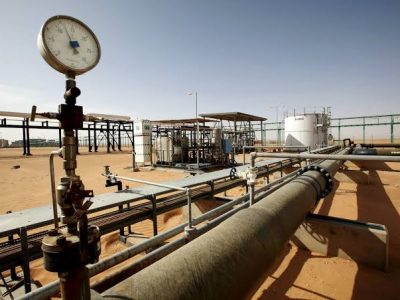
Libya depends heavily on oil and gas exports to generate foreign currency. The African Development Bank estimates that hydrocarbons account for about 97% of the country’s exports and more than 90% of government revenue. This dependence leaves the economy exposed to disruptions in oil production, changes in global prices and political disputes over public finances.
Oil exports bring dollars into the country, but the government also needs foreign currency to pay for imports. Libya imports a wide range of food, medicines, vehicles, machinery and consumer goods. When demand for dollars exceeds the supply available through official channels, businesses and individuals may turn to the parallel market.
Public spending also matters. Government salaries, subsidies and other expenditure support domestic demand, but they do not automatically increase local production. When spending grows faster than the economy’s ability to supply goods and services, demand for imports and foreign currency can rise.
The African Development Bank’s analysis of Libya’s economy explains why dependence on hydrocarbons leaves the country vulnerable to economic shocks.
Why are there two dollar exchange rates in Libya?
Libya has an official exchange rate set through the banking system and a parallel-market rate that reflects transactions outside official channels. The difference between the two rates can indicate pressure on the foreign exchange system.
The Central Bank of Libya’s official exchange-rate page publishes the bank’s rates. Parallel-market platforms, including Prices.ly, track prices quoted by currency traders. Readers should compare the rates for the same date and transaction type because cash, bank transfers and other payment methods may carry different costs.
When the parallel-market dollar costs more dinars than the official dollar, access to foreign currency becomes an important economic issue. Importers who cannot obtain sufficient dollars through official channels may face higher costs when they buy currency elsewhere. Some businesses may pass those costs on to customers.
Authorities can influence the market through exchange-rate policy, foreign currency allocations, banking rules and other measures. However, a policy change alone cannot resolve deeper problems if businesses continue to face limited access to foreign currency or uncertainty over future rules.
What does a weaker dinar mean for ordinary Libyans?
A weaker dinar can make imported goods more expensive in local currency. The impact depends on the exchange rate businesses actually pay, their existing inventories, transport costs, competition and government policies.
For example, an importer who pays more dinars to obtain the dollars needed for a shipment faces a higher cost before the goods even reach local shops. That pressure can affect food, electronics, spare parts and construction materials. Businesses that rely on imported equipment may also delay investment or raise their prices.
The effect reaches beyond consumers. A volatile exchange rate makes it harder for companies to plan budgets, negotiate contracts and estimate future costs. It can also discourage investment when businesses cannot predict how much foreign currency they will need.
Libya’s oil wealth gives it a significant source of foreign currency, but oil revenue alone cannot guarantee a stable exchange rate. The country also needs predictable financial management, reliable access to foreign exchange and greater confidence in its economic institutions.
Reducing dependence on imports by developing competitive local businesses could help over time. So could more transparent public spending and stronger coordination between the institutions responsible for oil revenue and monetary policy.
The key question is not simply how many dinars one dollar buys. It is whether Libya can turn its oil income into a more productive economy, with a currency market that businesses and households can rely on.