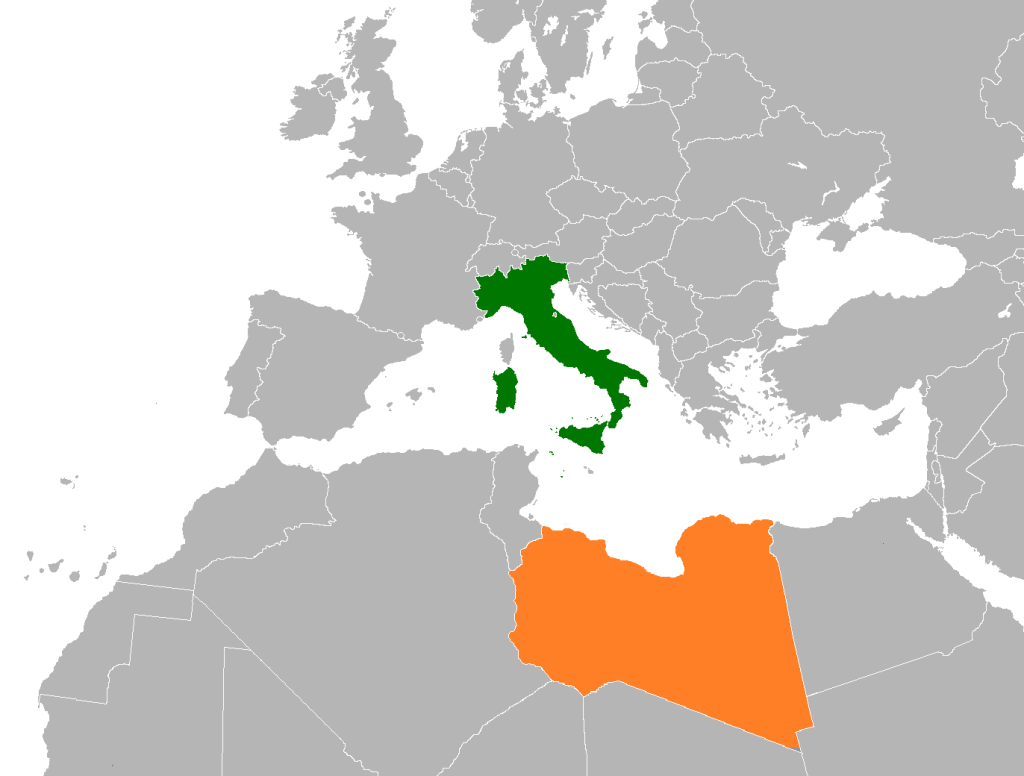
Libya and Italy have opened a new chapter in bilateral relations after officials and experts met in Tripoli to prepare a workshop focused on long-term cooperation, economic growth, and shared development goals. The initiative signals a broader effort to rebuild practical ties between the two Mediterranean neighbors at a time when both countries want stronger regional partnerships.
The preparatory committee met on Wednesday and brought together specialists in foreign policy, development, and international cooperation. Organizers named the upcoming event “Libyan–Italian Relations Towards a Comprehensive and Sustainable Cooperation Model.” They want the workshop to create a fresh roadmap for cooperation that matches today’s political and economic realities.
The meeting focused on several priority sectors. Participants discussed the economy, energy, education, and culture. They also examined ways to attract academic talent and professional expertise from both countries. Officials said the workshop must produce practical recommendations instead of symbolic statements. They want real partnerships between Libyan and Italian institutions that can continue for years.
That goal matters because Libya and Italy already share deep economic and geographic ties. Italy has long ranked among Libya’s most important European partners. Energy remains the strongest link. Italian companies, especially in the hydrocarbons sector, have worked in Libya for decades. Libya, in turn, supplies oil and gas that help meet Italian and European demand.
Those ties gained fresh momentum this month. Libya’s National Oil Corporation recently started a trial run of a delayed gas pipeline designed to improve domestic supply and support future exports. The project could also help raise gas flows to Europe in the coming years, including through the Greenstream pipeline to Italy.
That energy backdrop gives the new Libya-Italy workshop greater significance. Cooperation no longer centers only on oil and gas. Both sides now appear eager to widen the relationship into education, training, infrastructure, and sustainable investment.
For Libya, that shift could bring major benefits. The country needs foreign investment, technical expertise, and stronger institutions after years of conflict and political division. Partnerships with experienced European states can help rebuild services, modernize industries, and train a younger workforce.
Italy also stands to gain. Rome has pushed to deepen its presence across North Africa as competition grows among European and regional powers. Stronger ties with Libya support Italy’s energy security, trade ambitions, and influence across the Mediterranean.
Education may become one of the most promising areas for progress. Universities, technical institutes, and research centers in both countries could build exchange programs, joint research projects, and vocational training initiatives. Libya has a young population that needs skills linked to modern labor markets. Italy has institutions and companies that can help fill that gap.
Culture also offers an easier path to trust. Libya and Italy share a long, complex history. While parts of that history remain sensitive, cultural diplomacy can help both sides build a more balanced relationship based on respect and mutual interest. Museum partnerships, language programs, tourism planning, and heritage restoration could all play a role.
Still, success will depend on execution. Libya has announced many cooperation plans in recent years, but bureaucracy, political rivalry, and weak implementation often slow progress. That is why committee members stressed timelines, subcommittees, and clear preparation steps during their meeting. They appear determined to avoid another conference that ends with headlines but no results.
The regional environment also adds urgency. Europe wants stable southern partners, reliable energy supplies, and better economic integration across the Mediterranean. Libya wants investment and access to international markets. Those interests now overlap more clearly than before.
If the upcoming workshop delivers bankable projects, training programs, and measurable policy steps, it could mark a turning point. Libya needs partnerships that create jobs and strengthen institutions. Italy needs dependable partners close to home.
This initiative will not solve every challenge between the two countries. But it shows that both sides understand a simple truth: geography keeps Libya and Italy connected, while smart cooperation can make that connection far more valuable.