Libya has started the trial run of a major gas pipeline that could strengthen domestic energy supply and support higher exports in the years ahead. The project marks an important step for the country’s energy sector as officials push to restore production, modernize infrastructure, and attract international investment.
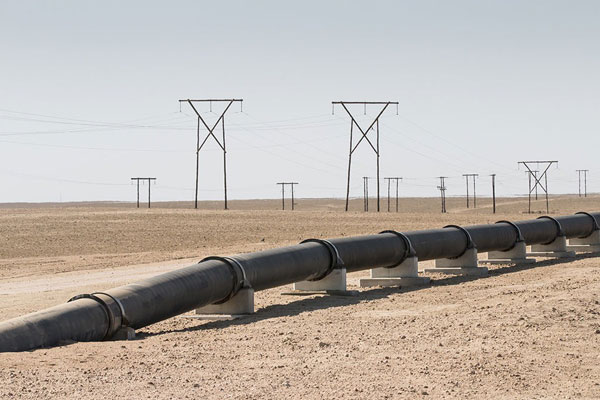
The pipeline connects the Intisar A/103 field to the Brega gas distribution network. It stretches around 130 kilometers and uses a 42-inch line designed to move larger gas volumes more efficiently. Libya’s National Oil Corporation (NOC) said the project will recover about 150 million cubic feet of gas per day that operators previously flared.
That change carries both economic and operational value. Libya can redirect gas that once went to waste into the domestic market, helping power generation and industrial demand. At the same time, stronger local supply can free additional volumes for exports when production rises further.
A Long-Delayed Project Finally Moves Forward
The pipeline had remained stalled for nearly 16 years. Its restart underlines how years of political instability, security risks, and underinvestment slowed major infrastructure projects across Libya’s oil and gas industry.
Since 2011, repeated disruptions have damaged confidence in the country’s energy outlook. Armed conflict, competing political authorities, and temporary field shutdowns often interrupted output. International companies remained interested in Libya’s large reserves, but many projects moved slowly.
The latest progress suggests authorities now want to accelerate development and capture stronger global demand for natural gas.
Why This Pipeline Matters
NOC said the new line should ease pressure across the wider gas network. Libya has faced operational bottlenecks in recent years, which reduced efficiency and sometimes forced temporary closures at producing fields.
By improving transport capacity between producing areas and distribution hubs, the pipeline can create a more stable system. Better reliability matters not only for exports, but also for Libya’s domestic electricity sector, which has struggled with shortages and blackouts during periods of peak demand.
Gas remains central to Libya’s power generation mix. Any improvement in supply infrastructure can therefore deliver wider economic benefits beyond the upstream sector.
Libya’s Bigger Gas Ambition
Earlier this year, NOC outlined plans to raise natural gas production to close to 1 billion cubic feet per day within the next five years. Officials also aim to increase exports to Europe in the early 2030s.
Those targets reflect Libya’s strategic position in the Mediterranean. The country already sends gas to Italy through the Greenstream pipeline, which links Libyan production to the European market. If Libya can expand output and maintain stable operations, it could become a more important regional supplier.
Europe continues to search for diversified supply sources after several years of market volatility and shifting trade flows. That backdrop creates an opportunity for producers located close to Southern European demand centers.
Renewed Interest From International Energy Companies
Momentum has also improved in Libya’s upstream sector. Recently announced oil and gas discoveries involving Eni, Repsol, and Sonatrach highlighted renewed activity from major foreign partners.
International companies often view Libya as a high-potential market because of its large resource base, relatively low production costs, and proximity to Europe. However, investors still weigh political risk, contract stability, and operational security before committing large capital sums.
If the government and NOC can maintain steady progress, more exploration and development spending could follow.
Challenges Still Remain
Despite the positive signal from the pipeline launch, Libya still faces major hurdles. Aging infrastructure needs upgrades across fields, storage systems, and export facilities. Political disputes can still disrupt planning and delay investment decisions.
The country also needs a consistent regulatory framework that gives foreign and domestic investors confidence over the long term. Without that stability, ambitious production goals may prove difficult to reach.
Outlook
Libya holds around 80 trillion cubic feet of natural gas reserves, giving it strong long-term potential. The start of this pipeline trial run does not solve every challenge, but it shows practical progress after years of delay.
For energy markets, the message is clear: Libya wants to turn dormant assets into active supply. If the country can pair infrastructure delivery with political stability, it could emerge as a more meaningful gas exporter over the next decade.