Libya has launched a 100-day agricultural reform plan. The plan aims to reshape the country’s food production system. It also targets stronger livestock management and improved long-term food security. The initiative signals a renewed government effort to reduce import dependency. It also seeks to modernize one of Libya’s most underdeveloped sectors.
The Ministry of Agriculture and Livestock introduced the plan in Tripoli. A high-level meeting brought together technical departments, veterinary authorities, and agricultural agencies. Officials described the programme as urgent. They said it addresses structural weaknesses in the sector. They also said it prepares the ground for broader national reform.
A structured push for agricultural reform
The 100-day plan focuses on fast operational improvements. It targets both agriculture and livestock systems. Authorities designed it to deliver quick and measurable results. At the same time, it builds a base for long-term reform.
One key measure includes mobile veterinary clinics. These will operate in major livestock markets. The rollout will intensify before peak demand periods such as Eid al-Adha. The units will inspect animals for free. They will also record health conditions. Officials will use this data to build a national livestock database. Authorities say this approach improves disease control. It also strengthens import oversight. It reduces risks linked to unregulated animal trade. In addition, it introduces a more structured system for livestock monitoring across regions.
Digital systems and climate-focused production
The plan places strong focus on digitalisation. The ministry wants a unified agricultural database. It will include farmers, breeders, and agricultural assets. This system will improve planning and resource distribution. It will also help track production cycles more accurately.
The government also plans to modernize crop and livestock genetics. The focus targets Libya’s climate challenges. Rising temperatures and drought risks shape this strategy. The plan includes improved seeds and vaccines. It also includes inputs designed for harsher weather conditions. Training forms another key pillar. The government will expand plans for farmers and veterinary staff. Officials aim to close long-standing skills gaps. They also want to reduce dependence on external expertise.
Strengthening food security and local production
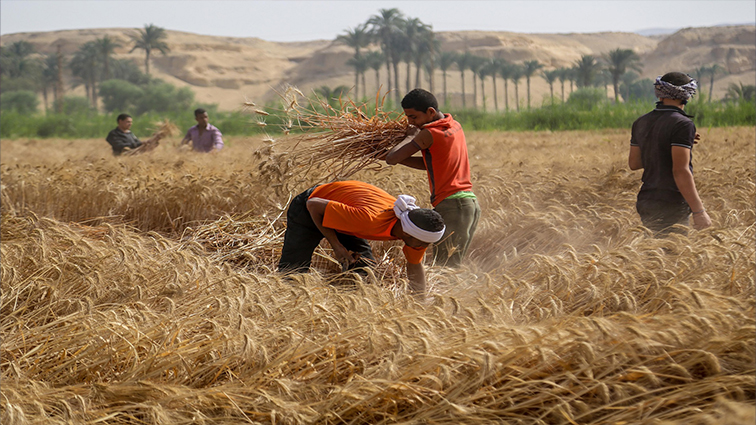
Libya depends heavily on food imports. This includes cereals and other staple goods. Domestic agricultural output remains limited. Weak infrastructure and structural gaps continue to constrain growth.
Agriculture contributes only a small share of national GDP. The country still relies on imported food supplies. Analysts link this situation to underinvestment. They also point to fragmented governance across institutions. The 100-day plan targets these challenges directly. It avoids broad policy statements. Instead, it focuses on practical interventions. Officials believe better livestock health will raise productivity. They also expect improved crop resilience to boost output. Stronger data systems should support faster decision-making.
Building momentum for longer-term reform
The ministry presents the plan as part of a wider strategy. It aims to transform agriculture beyond short-term fixes. Authorities want a five-year development framework. This will combine digital systems, climate adaptation, and institutional reform.
Successful implementation could shift the sector’s structure. Libya would move from reactive management to a data-driven model. However, outcomes depend on funding stability. They also depend on coordination between institutions. Regional consistency will also play a key role.
For now, the government has placed agriculture back on the national agenda. The 100-day program sets clear deadlines. It also targets immediate pressure points. At the same time, it highlights deeper structural weaknesses that still define the sector.